
 Pin This
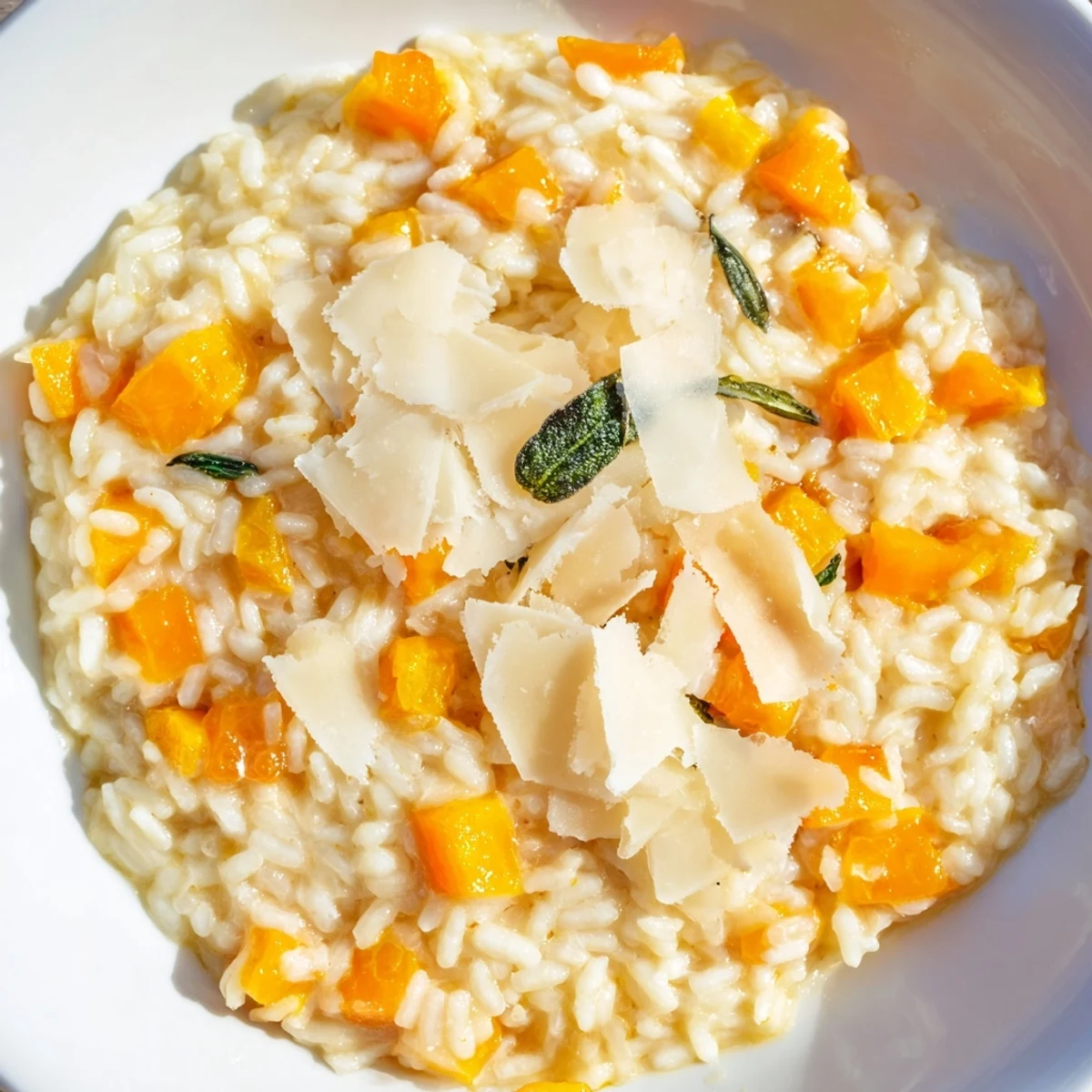
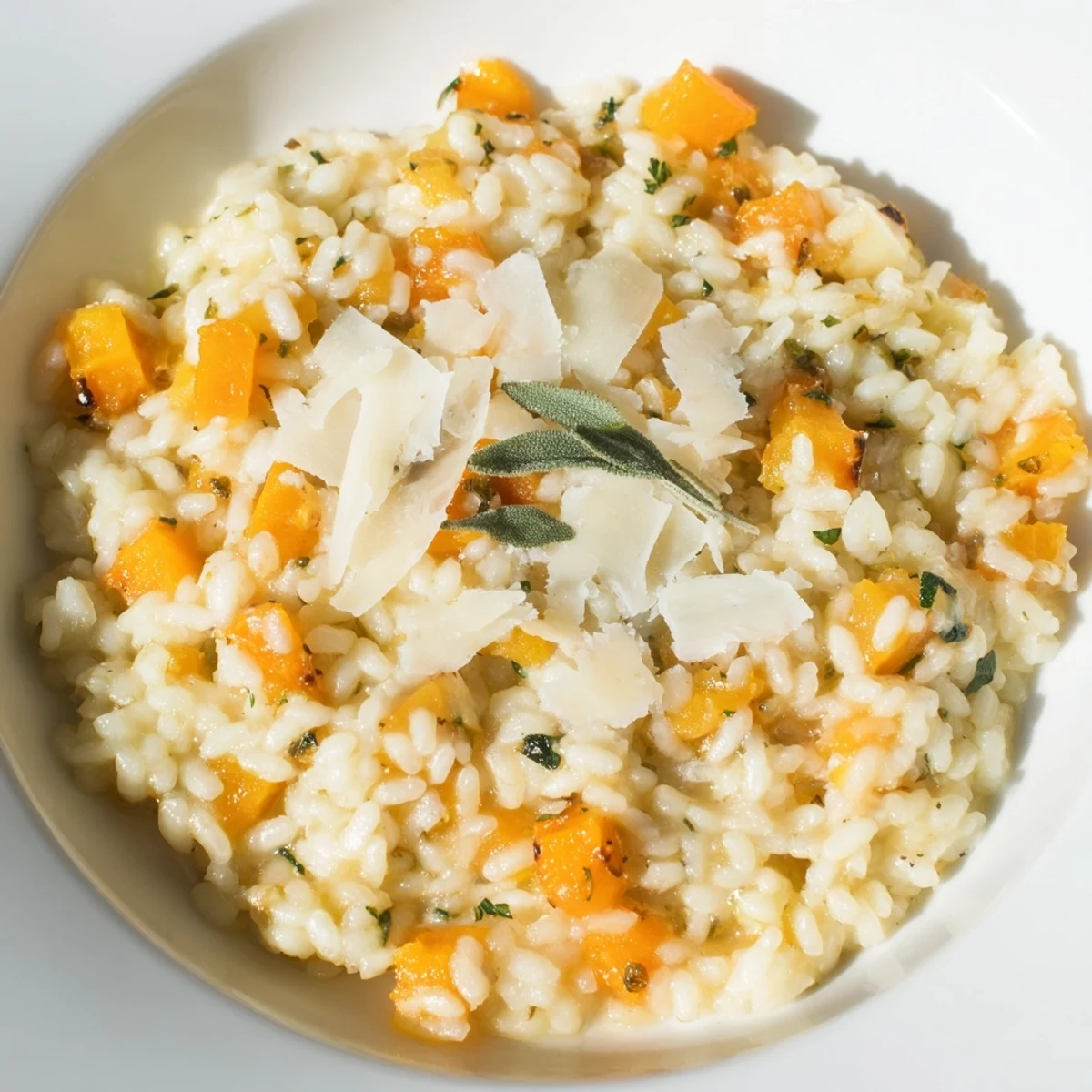
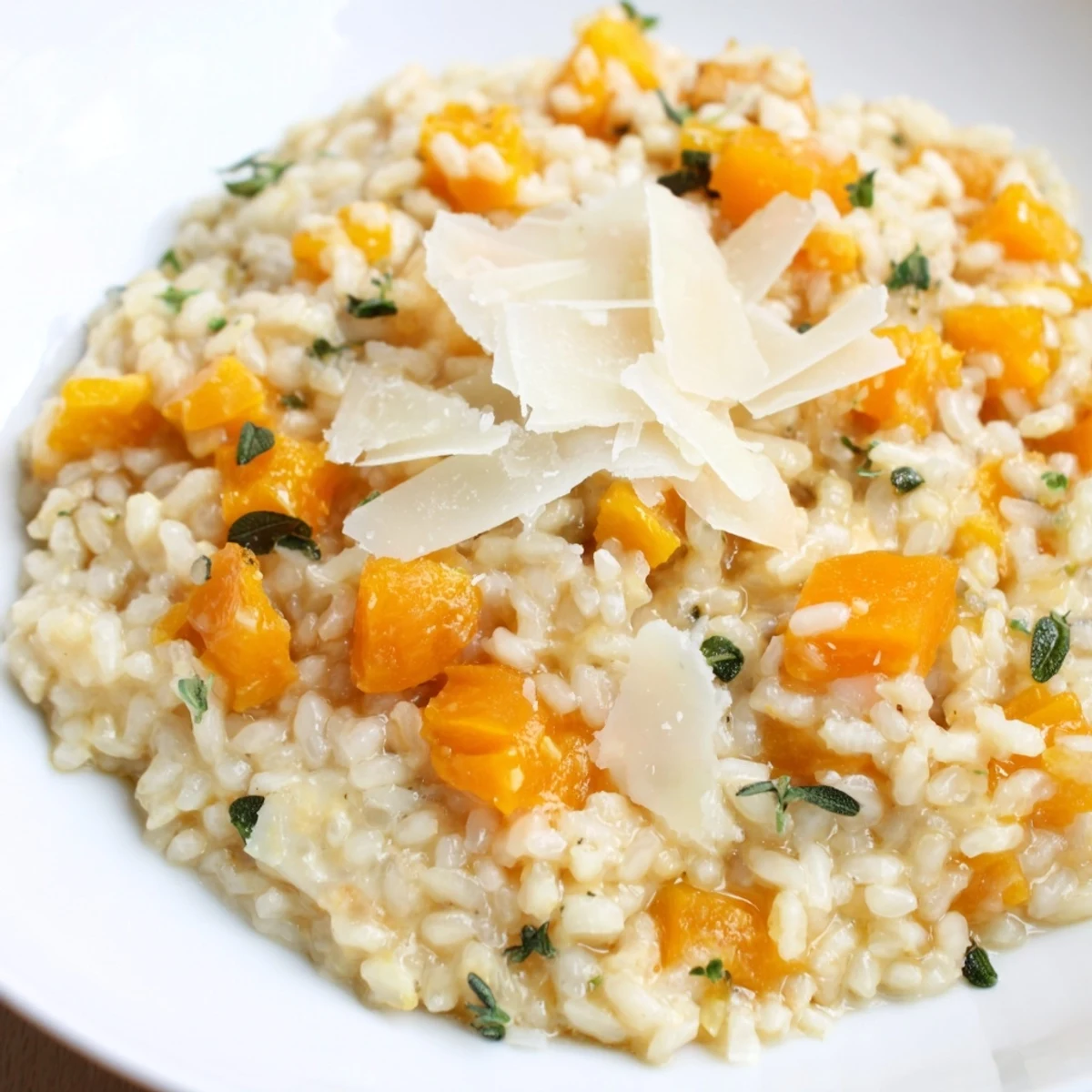
 This dish features tender winter squash cooked with Arborio rice, gently simmered in warm vegetable broth and white wine to create a creamy risotto. Aromatic sage and savory Parmesan cheese enrich the texture and flavor, producing a comforting fall or winter entrée. The process includes softening onions and garlic, gradual broth absorption for creamy grains, and finishing with butter and cream for lusciousness. Garnish with extra sage and Parmesan to elevate the presentation and taste.
Theres something almost meditative about standing at the stove, ladling broth into rice and watching it transform grain by grain. I first made this risotto during a particularly gray November when my kitchen felt like the only warm place in the world. The squash was from a farmers market haul Id been staring at for days, and something about that sweet, earthy flavor against sharp Parmesan just made sense.
I served this to friends who swore they hated squash, and someone actually asked for thirds. Theres a moment near the end when everything comes together, the rice becomes creamy, and the sage hits the warm pan, and the whole kitchen just smells like comfort.
Ingredients
- Winter squash (butternut or acorn): The sweetness here balances the savory rice, and peeling it fresh makes a huge difference over pre-cut cubes
- Arborio rice: This short-grain rice releases starch slowly, creating that signature creamy texture without actually needing cream
- Vegetable broth: Keeping it warm is essential, adding cold broth shocks the rice and affects the final texture
- White wine: Dry wine adds brightness and depth, but you can skip it and use more broth if needed
- Fresh sage: Fried or added at the end, sage has this piney, almost buttery flavor that was made for winter squash
- Parmesan cheese: Freshly grated melts better and gives you those salty pockets throughout
Instructions
- Start your base:
- Heat olive oil with one tablespoon butter in a heavy pan over medium heat, cook the onion until soft and translucent, about 3 minutes
- Add the aromatics:
- Stir in garlic and diced squash, cook until squash starts to soften and smells fragrant, about 5 minutes
- Toast the rice:
- Add Arborio rice and stir constantly for 2 minutes until grains look slightly translucent at edges and are coated in fat
- Deglaze with wine:
- Pour in white wine and stir until mostly absorbed, scraping up any bits from the bottom
- The risotto ritual:
- Add warm broth one ladle at a time, stirring frequently and waiting until liquid is mostly absorbed before adding more, continuing for 20 to 25 minutes until rice is creamy and tender
- Finish it right:
- Stir in chopped sage, remaining butter, Parmesan, and cream if using, season generously with salt and pepper
- Let it rest:
- Remove from heat, cover, and let sit for 2 minutes, this small wait makes everything come together beautifully
- Serve it up:
- Plate hot with extra Parmesan and fresh sage leaves, watching people take that first appreciative bite
 Pin This
 This became one of those recipes I make when I need to feel grounded, when the days are getting shorter and comfort matters more than efficiency.
Making Ahead
Risotto waits for no one, honestly. The texture changes pretty quickly once it sits. If you need to prep ahead, dice your squash and onion earlier in the day, but plan to cook the rice right before serving. I once tried reheating it, and while it tasted fine, that luxurious creaminess just doesnt survive the fridge.
Wine Pairings
A crisp Pinot Grigio cuts through the richness, but honestly, a light Chardonnay works beautifully too. The wine you cook with doesnt need to be expensive, but it should be something you would actually drink. I keep a box of decent white wine specifically for recipes like this, and nobody has ever complained.
Getting The Texture Right
The perfect risotto should flow like a wave when you tilt the plate, not sit in a mound. The rice grains should be separate but bound together in that velvety sauce. It took me forever to understand that slightly underdone is better than overdone, since the rice continues cooking even after you pull it off the heat.
- Trust your spoon more than the timer
- Taste the rice, not just the seasoning
- If it suddenly thickens too much, add a splash more broth
 Pin This
 There is nothing quite like standing over a steaming pot of risotto while snow falls outside, knowing you are about to feed people something genuinely comforting.
Questions & Answers
- → What type of squash works best for this dish?
-
Butternut squash is ideal for its sweetness and texture, but acorn, kabocha, or delicata can be used for variety.
- → How do I achieve a creamy texture in the risotto?
-
Slowly adding warm broth while stirring constantly helps release starch from Arborio rice, resulting in a rich, creamy consistency.
- → Can I prepare this dish vegan friendly?
-
Yes, substitute the butter and Parmesan with vegan alternatives and omit the cream to maintain a similar creamy texture.
- → Is it necessary to use white wine in the cooking process?
-
White wine adds acidity and depth, but can be omitted or replaced with extra broth if preferred.
- → How can I add extra flavor to the squash?
-
Roasting the squash cubes before adding to the risotto enhances their natural sweetness and imparts a deeper flavor.