
 Pin This
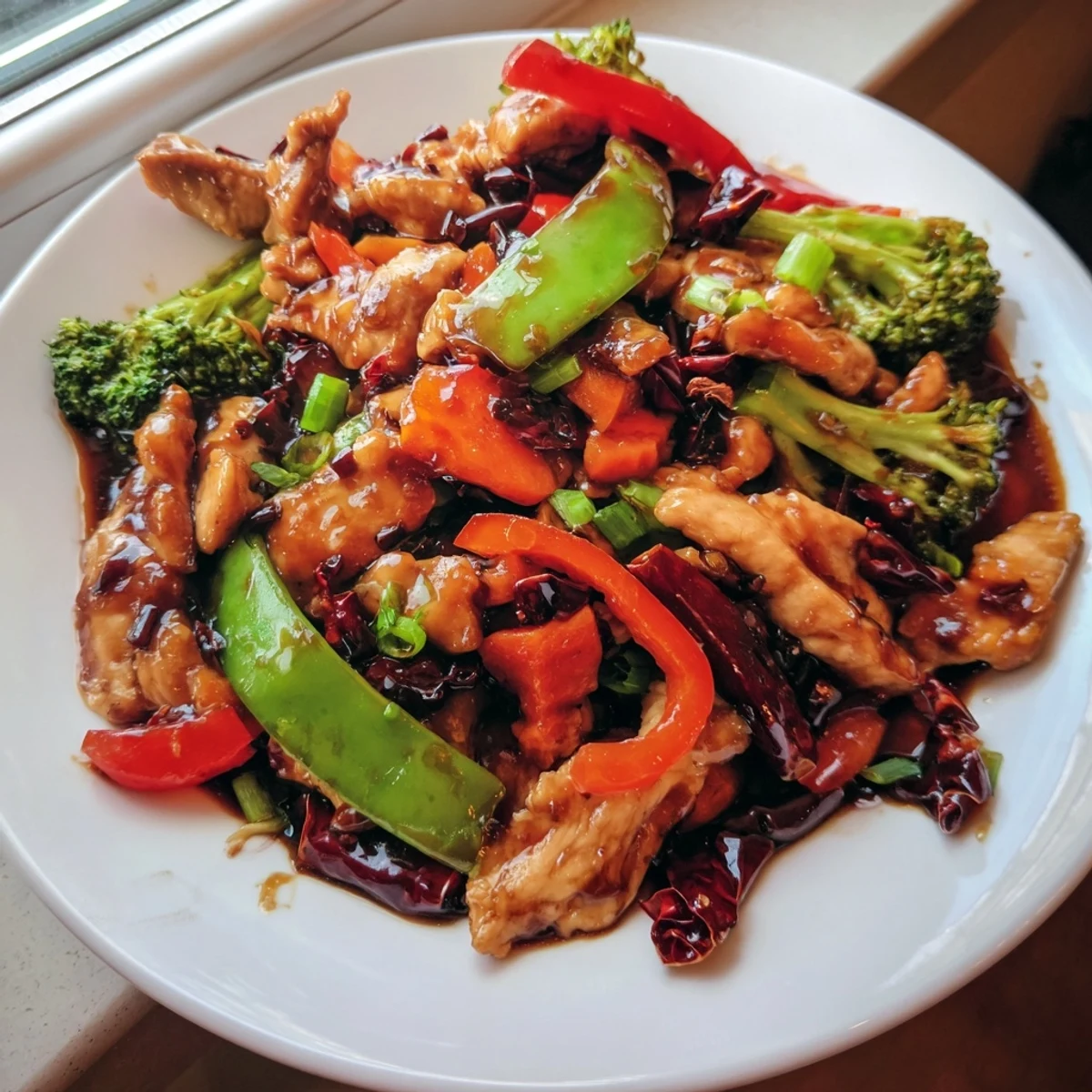
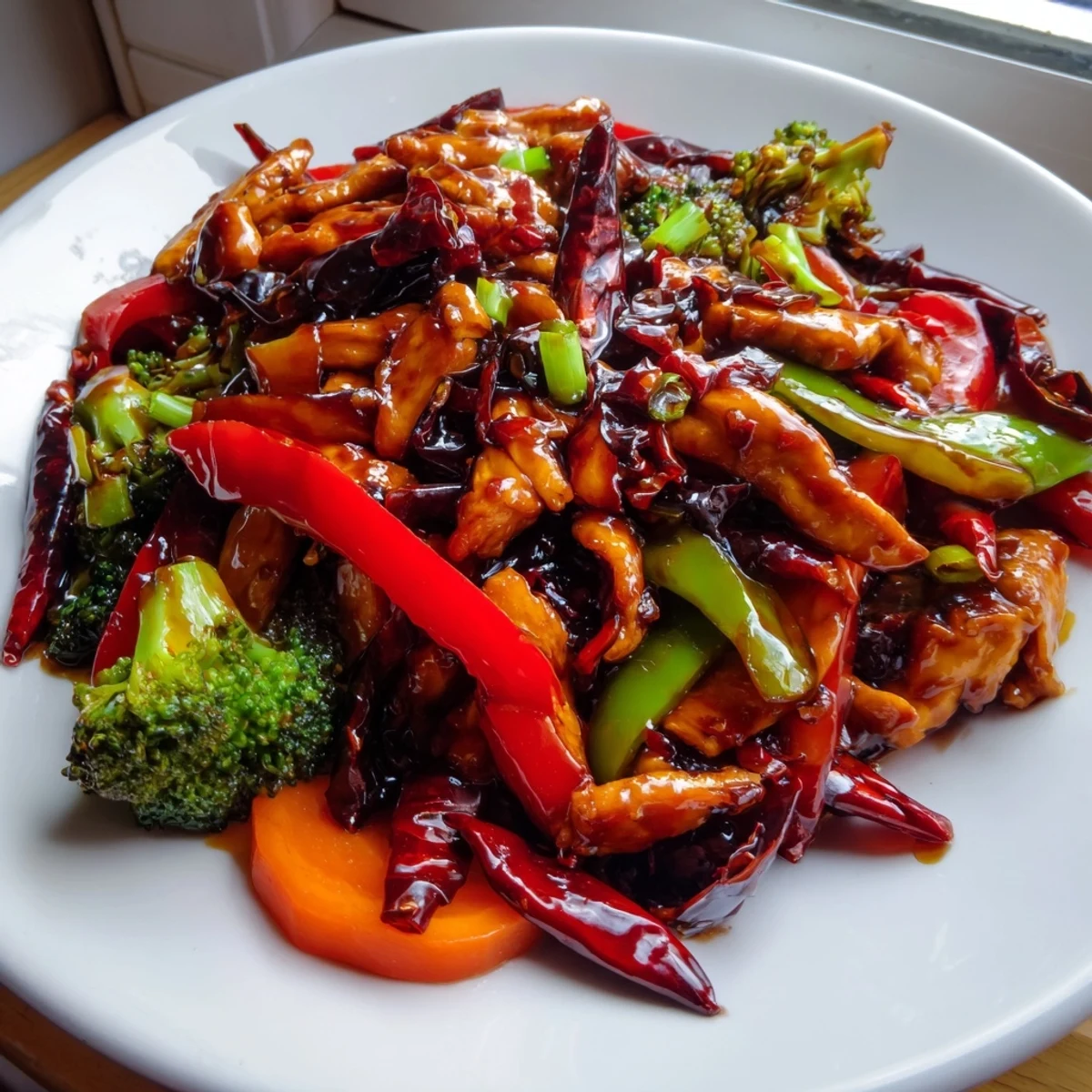
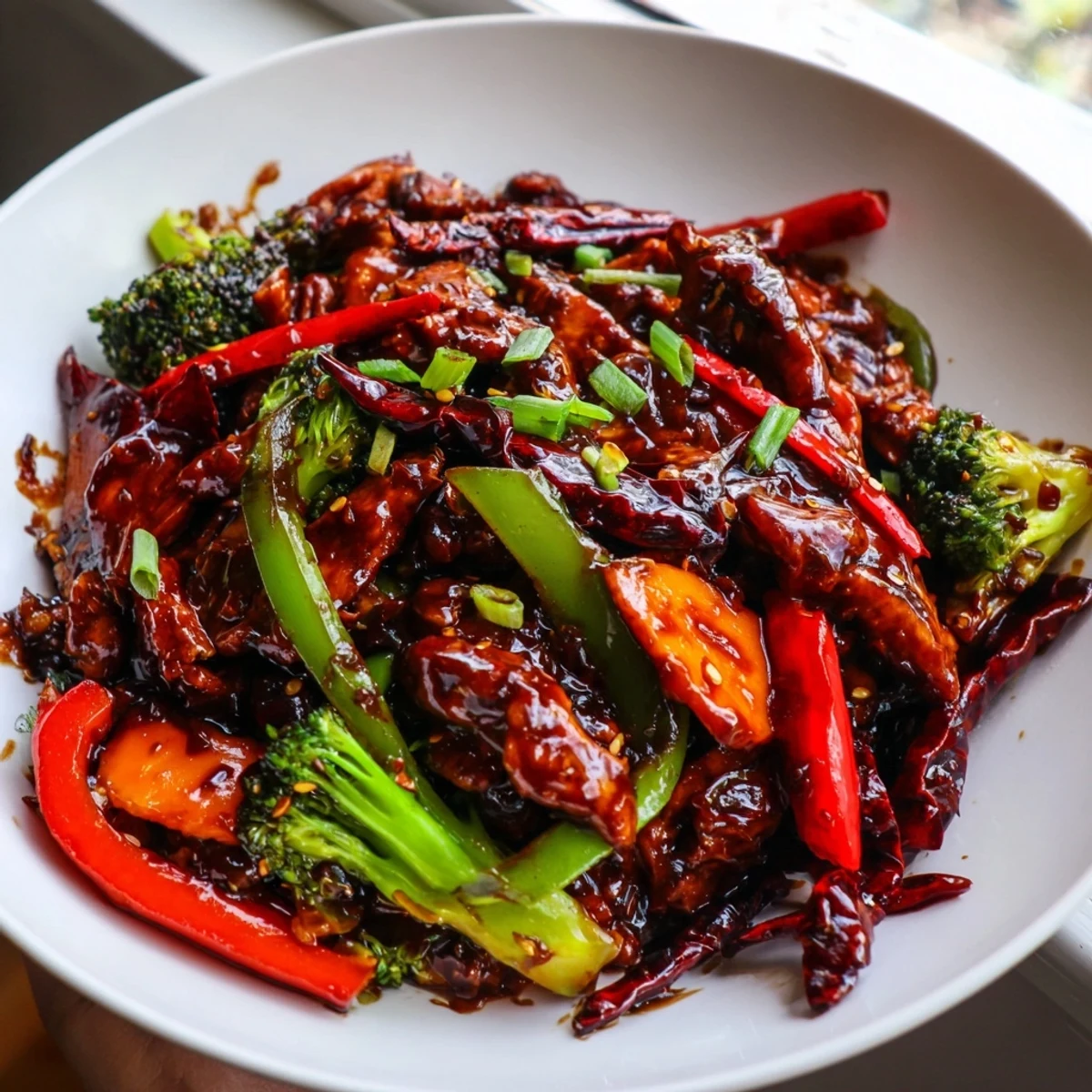
 This Hunan chicken brings the heat with a bold combination of dried red chilies, chili paste, and black bean sauce. Sliced chicken breast is marinated in soy sauce and Shaoxing wine for extra tenderness, then wok-fried until golden.
Crisp bell peppers, broccoli florets, carrots, and snow peas add color and crunch, while the savory sauce clings to every bite. Serve it over steamed jasmine rice for a satisfying weeknight dinner that comes together in just 35 minutes.
The sizzle of chicken hitting a screaming hot wok is one of those sounds that instantly transports me back to a tiny restaurant in Changsha where the air hung thick with chili and garlic. I was twenty three and had no idea what authentic Hunan cooking meant until a cook there handed me a plate that made my eyes water and my heart sing. This recipe is my humble attempt to chase that dragon from my own kitchen. It is bold, unapologetic, and deeply satisfying.
I made this for my neighbor David one freezing January evening when his power went out and he wandered over looking pitiful and cold. He sat at my kitchen counter watching the wok smoke and told me it was better than any restaurant he had tried in the city. We ate standing up with bowls balanced on our knees and he asked for seconds before I even sat down.
Ingredients
- 500 g boneless skinless chicken breast thinly sliced: Slice it against the grain on a slight bias for the most tender bite, and partially freezing the breast for twenty minutes makes this effortless.
- 1 tbsp soy sauce plus 1 tbsp Shaoxing wine plus 1 tsp cornstarch for the marinade: This quick soak is what gives the chicken that silky velvet texture you get at restaurants, never skip it.
- 1 red bell pepper plus 1 green bell pepper plus 1 cup broccoli florets plus 1 carrot sliced thin plus 100 g snow peas: The color mix matters here because Hunan cooking celebrates visual impact as much as flavor.
- 3 scallions sliced plus 3 cloves garlic minced plus 1 tbsp fresh ginger minced: Fresh aromatics are non negotiable, the dried versions will flatten the entire dish.
- 2 tbsp soy sauce plus 1 tbsp oyster sauce plus 1 tbsp black bean sauce plus 2 tsp chili paste plus 1 tsp sugar plus half cup chicken broth plus 1 tsp cornstarch for the sauce: Whisk this until absolutely smooth because nobody wants a cornstarch lump surprise.
- 2 tbsp vegetable oil: Use a neutral oil with a high smoke point, save your olive oil for another night.
- 6 to 8 dried red chilies: These are the soul of Hunan heat, snap them in half to release the seeds if you want serious fire.
Instructions
- Give the chicken some love:
- Toss the sliced chicken with soy sauce, Shaoxing wine, and cornstarch in a bowl until every piece is evenly coated. Let it sit for ten minutes while you prep everything else, this is your one chance to build that velvety texture.
- Build your sauce:
- Whisk together all the sauce ingredients in a separate bowl until the cornstarch disappears completely. Set it near the stove because things move fast once the wok is hot.
- Sear the chicken:
- Heat one tablespoon of oil in your wok over the highest heat your stove can manage until you see wisps of smoke. Spread the chicken in a single layer and let it sear without stirring for a minute, then toss until just cooked through, about three to four minutes total, and move it to a plate.
- Wake up the aromatics:
- Add the remaining oil, toss in the dried chilies, garlic, and ginger, and stir furiously for about thirty seconds. The moment that sharp fragrant cloud hits your nose you know you are on the right track.
- Cook the vegetables:
- Add all the bell peppers, broccoli, carrot, snow peas, and most of the scallions, reserving a handful for garnish. Stir fry for two to three minutes until everything is vibrant and crisp tender but still has some fight left in it.
- Bring it all home:
- Slide the chicken back into the wok, give your sauce one final stir, and pour it over everything. Toss aggressively for two to three minutes until the sauce thickens into a glossy coat clinging to every surface.
- Serve immediately:
- Scatter the reserved scallions on top and spoon it over steamed jasmine rice while it is still piping hot. This dish does not wait for anyone.
 Pin This
 There is something deeply grounding about a dish that demands your full attention for fifteen minutes and rewards you with a kitchen that smells like a street market in central China.
What to Serve Alongside
Jasmine rice is the obvious pairing and honestly the correct one because you need something neutral to absorb that incredible sauce. Steamed brown rice works too if you want a nuttier chew, and a simple cucumber salad with rice vinegar on the side cuts the richness beautifully.
Making It Your Own
The vegetable list is a suggestion, not a law. I have thrown in zucchini, baby corn, mushrooms, and even chunks of pineapple when the mood struck and it has never disappointed me. The sauce is sturdy enough to handle substitutions so use whatever looks good at the market that day.
Storage and Reheating
This keeps well in an airtight container in the refrigerator for up to three days, though the vegetables soften a bit overnight which some people actually prefer. Reheat it in a hot skillet with a splash of water rather than the microwave if you want to bring back some of that original texture.
- Let the dish cool completely before refrigerating to prevent the vegetables from getting mushy.
- The sauce may thicken in the fridge so a splash of broth or water brings it back to life.
- Freezing is not recommended because the broccoli and bell peppers will weep and turn rubbery.
 Pin This
 Cook this once and it will live in your rotation forever, a fast fierce dinner that tastes like you spent far longer than thirty five minutes making it. Share it generously and keep extra rice handy because people always want more.
Questions & Answers
- → What makes Hunan chicken different from Szechuan chicken?
-
Hunan cuisine relies on fresh and dried chili peppers for straightforward, sharp heat, while Szechuan cooking features Sichuan peppercorns that create a numbing, tingling sensation. Hunan flavors tend to be simpler and more directly spicy, with a focus on smoked ingredients and fermented black beans.
- → Can I use chicken thighs instead of breast?
-
Yes, boneless skinless chicken thighs work beautifully and stay even more tender and juicy during the high-heat stir-frying process. Slice them thinly just as you would breast meat and adjust the cooking time by an extra minute if needed.
- → How do I control the spice level?
-
Reduce or increase the amount of dried red chilies and chili paste to suit your preference. Removing the seeds from the dried chilies tones down the heat significantly, while adding extra chili garlic sauce ramps it up.
- → What vegetables can I substitute in this stir-fry?
-
Zucchini, baby corn, snap peas, mushrooms, or bok choy all work well as swaps. Aim for a mix of textures and colors, and cut everything into similar-sized pieces so they cook evenly in the wok.
- → Do I need a wok to make this dish?
-
A large skillet or frying pan works fine if you do not have a wok. The key is cooking over high heat and not overcrowding the pan, so work in batches if necessary to get a good sear on the chicken and keep the vegetables crisp-tender.
- → Is there a substitute for Shaoxing wine?
-
Dry sherry is the closest substitute. You can also use mirin with a splash of rice vinegar, or simply omit it entirely if needed. The marinade will still tenderize the chicken through the soy sauce and cornstarch.