
 Pin This
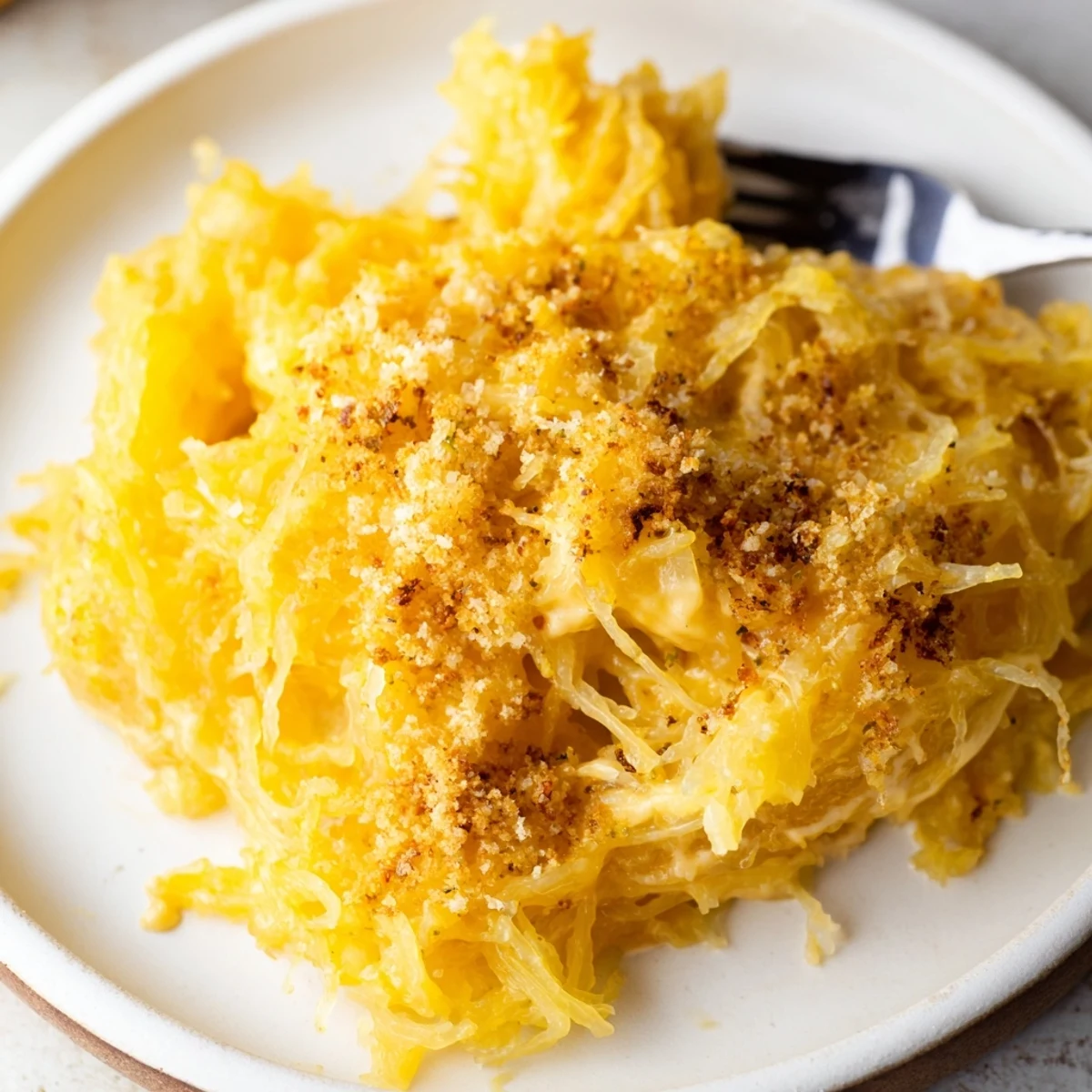
 Roast halved spaghetti squash until fork-tender and shred into strands. Make a roux with butter and gluten-free flour, whisk in milk until thickened, then melt in sharp cheddar and Parmesan with garlic powder and ground mustard. Toss strands in the cheese sauce, transfer to a baking dish, top with panko and extra Parmesan, and broil briefly until golden. Serve warm with herbs.
The smell of roasting squash on a cold Tuesday evening changed my entire perspective on comfort food. I had been skeptical, honestly, expecting a watery disappointment masquerading as pasta. But when those golden strands pulled away from the shell like silk ribbons, I knew this dish was going to be a regular at our table.
My neighbor Linda stopped by unannounced one November evening while this was broiling, and she ended up staying for two helpings and a glass of Chardonnay on the back porch. Now she texts me every fall asking if spaghetti squash season has started yet.
Ingredients
- 1 large spaghetti squash (about 2.5 to 3 pounds): Pick one that feels heavy for its size with a pale, firm skin and no soft spots.
- 2 tablespoons unsalted butter: This forms the base of your roux, so use real butter here if you can.
- 2 tablespoons gluten free all purpose flour: Thickens the sauce without adding any flavor of its own, and the gluten free version works just as well as regular.
- 1 1/4 cups whole or 2 percent milk: Whole milk gives a richer sauce, but two percent still delivers plenty of creaminess.
- 1 cup shredded sharp cheddar cheese: Sharp cheddar brings more personality than mild, and shredding it yourself melts far better than pre bagged.
- 1/2 cup grated Parmesan cheese: Adds a salty, nutty backbone that rounds out the cheddar beautifully.
- 1/4 teaspoon garlic powder: Just enough to add warmth without competing with the cheese.
- 1/4 teaspoon ground mustard: A tiny amount that lifts and sharpens all the dairy flavors.
- 1/4 teaspoon salt and 1/4 teaspoon black pepper: Seasoning essentials that tie everything together.
- 1/3 cup gluten free panko breadcrumbs (optional topping): Gives that irresistible crunchy lid that makes everyone fight over the corner pieces.
- 2 tablespoons grated Parmesan and 1 tablespoon melted butter (for topping): Mixed into the panko for a golden, savory crust under the broiler.
Instructions
- Preheat and prepare:
- Set your oven to 400 degrees Fahrenheit and line a baking sheet with parchment paper so cleanup is effortless later.
- Split and clean the squash:
- Carefully halve the squash lengthwise with a sharp knife, then scoop out the seeds and stringy bits with a spoon until the cavity looks clean.
- Roast cut side down:
- Place both halves cut side down on the baking sheet and roast for 35 to 40 minutes until a fork slides through the flesh easily and the strands pull apart without resistance.
- Build the cheese sauce:
- Melt the butter in a medium saucepan over medium heat, whisk in the flour and cook for one minute, then slowly pour in the milk while whisking constantly until the mixture is smooth and begins to thicken after two to three minutes of simmering.
- Melt in the flavor:
- Take the pan off the heat and stir in the cheddar, Parmesan, garlic powder, ground mustard, salt, and pepper until every last bit of cheese has melted into a glossy, velvety sauce.
- Shred and combine:
- Run a fork through the roasted squash flesh to create long spaghetti like strands, then transfer them to a large bowl and gently fold in the cheese sauce until every strand is coated.
- Broil for the crunch:
- If you want that golden topping, spread the saucy squash in a greased baking dish, sprinkle with the panko mixture, and broil on high for two to three minutes until the top is bubbling and beautifully browned.
 Pin This
 The first time I served this at a potluck, three people asked for the recipe before they even finished their plates, and one friend assumed I had ordered it from a restaurant.
Making It Your Own
Toss in a handful of steamed broccoli florets or sauteed spinach at the end for color and substance that turns this from a side into a full meal. Swapping half the cheddar for Gruyere elevates the flavor into something that tastes distinctly restaurant worthy with almost no extra effort.
Tools That Actually Matter
A genuinely sharp knife makes splitting the squash feel manageable instead of like a woodland survival challenge. A flat whisk saves your wrist when stirring the sauce, and a rimmed baking sheet keeps everything contained.
Serving and Storing
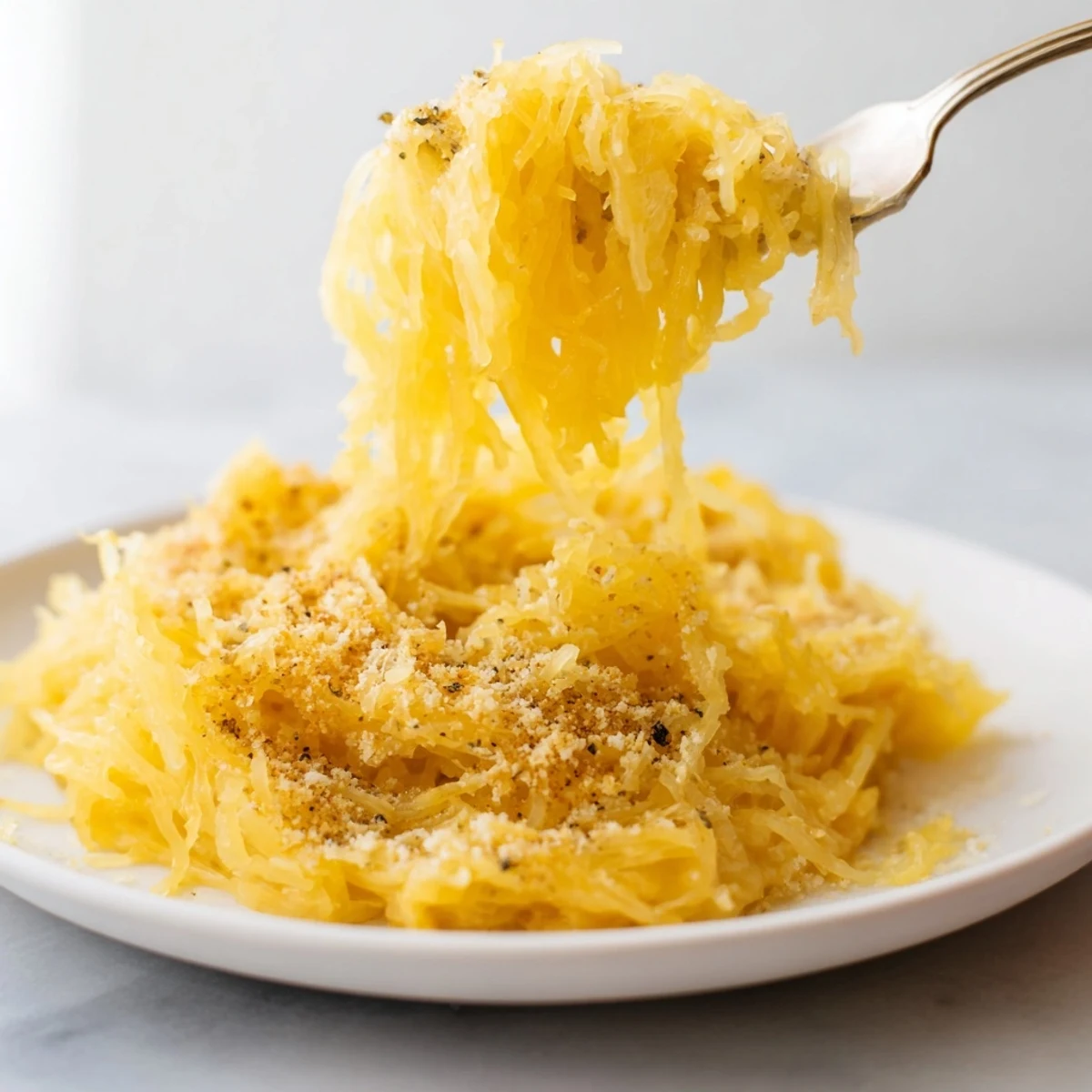
This dish is best served immediately while the sauce is still glossy and the topping crackles, but it reheats surprisingly well the next day covered in foil at 350 degrees for about fifteen minutes. Leftovers keep in the fridge for up to three days, though the topping loses its crunch over time.
- A glass of crisp Chardonnay or Sauvignon Blanc pairs perfectly with the rich, cheesy flavors.
- For extra protein, fold in a cup of cooked chickpeas or shredded rotisserie chicken before baking.
- Always check your flour and breadcrumb labels if cooking for someone with gluten sensitivities.
 Pin This
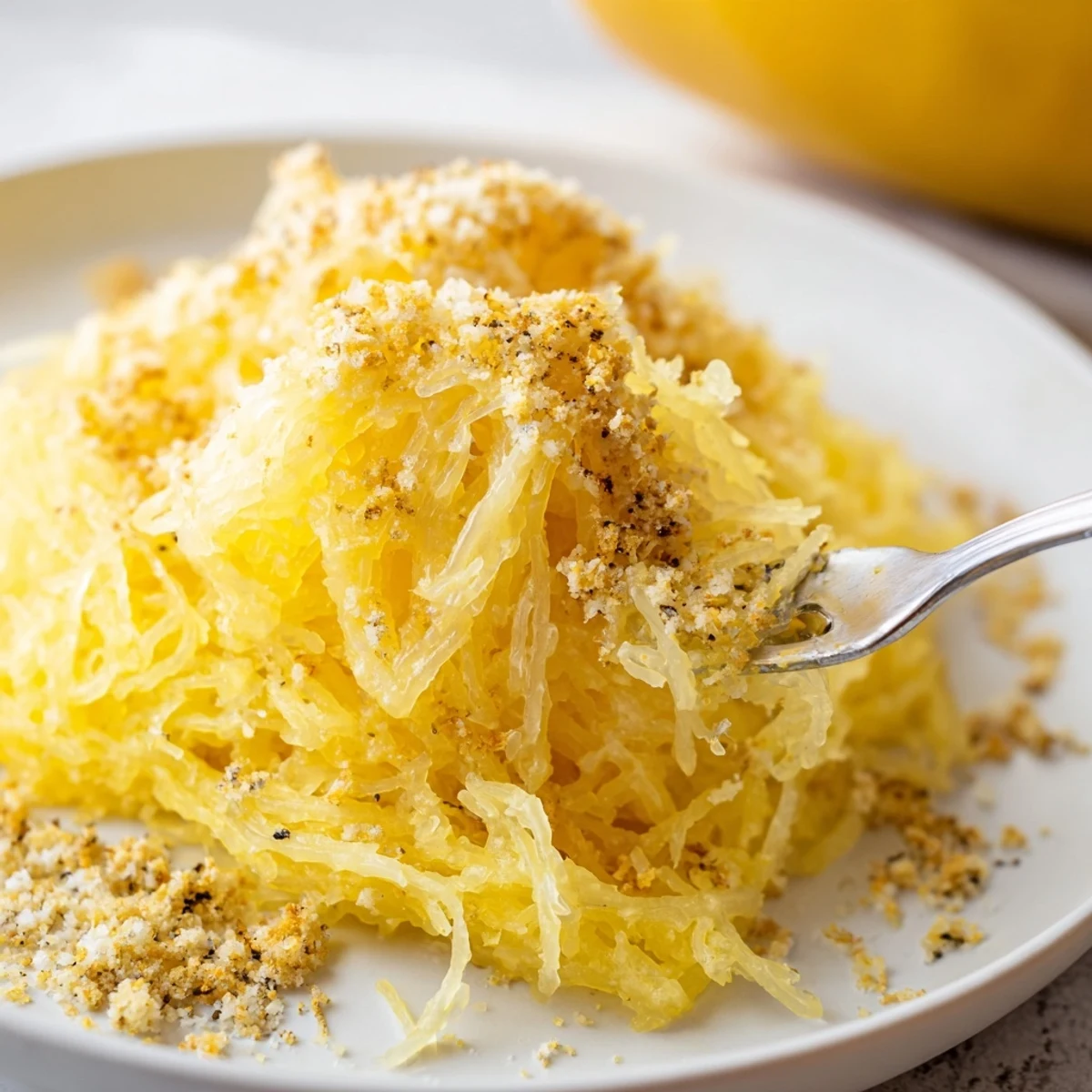
 This recipe proves that comfort food does not have to be heavy to feel like a hug, and I hope it becomes a chilly evening staple in your kitchen the way it has in mine.
Questions & Answers
- → How do I know the squash is done roasting?
-
The flesh should be fork-tender and pull away into long strands easily. The cut surface may brown slightly and the skin will give a bit when pressed.
- → What cheeses work well as substitutes?
-
Gruyère, fontina, or a sharper aged cheddar blend nicely. Try mixing cheddar with a milder melting cheese for creaminess and adjust salt to taste.
- → How can I keep this gluten-free?
-
Use gluten-free all-purpose flour for the roux and gluten-free panko for the topping, or skip the topping and finish under the broiler for color.
- → How do I add protein without changing texture?
-
Fold in cooked chicken, turkey, or drained chickpeas just before baking. Ensure additions are hot so they integrate with the sauce without cooling or thinning it.
- → What's the best way to reheat leftovers?
-
Reheat gently on the stovetop with a splash of milk over low heat, or bake at 350°F until warmed through to crisp the topping again.
- → How do I prevent a watery sauce?
-
Cook the roux briefly before adding milk and simmer until thick. Drain any excess squash liquid after shredding the strands so the sauce clings to the squash.