
 Pin This
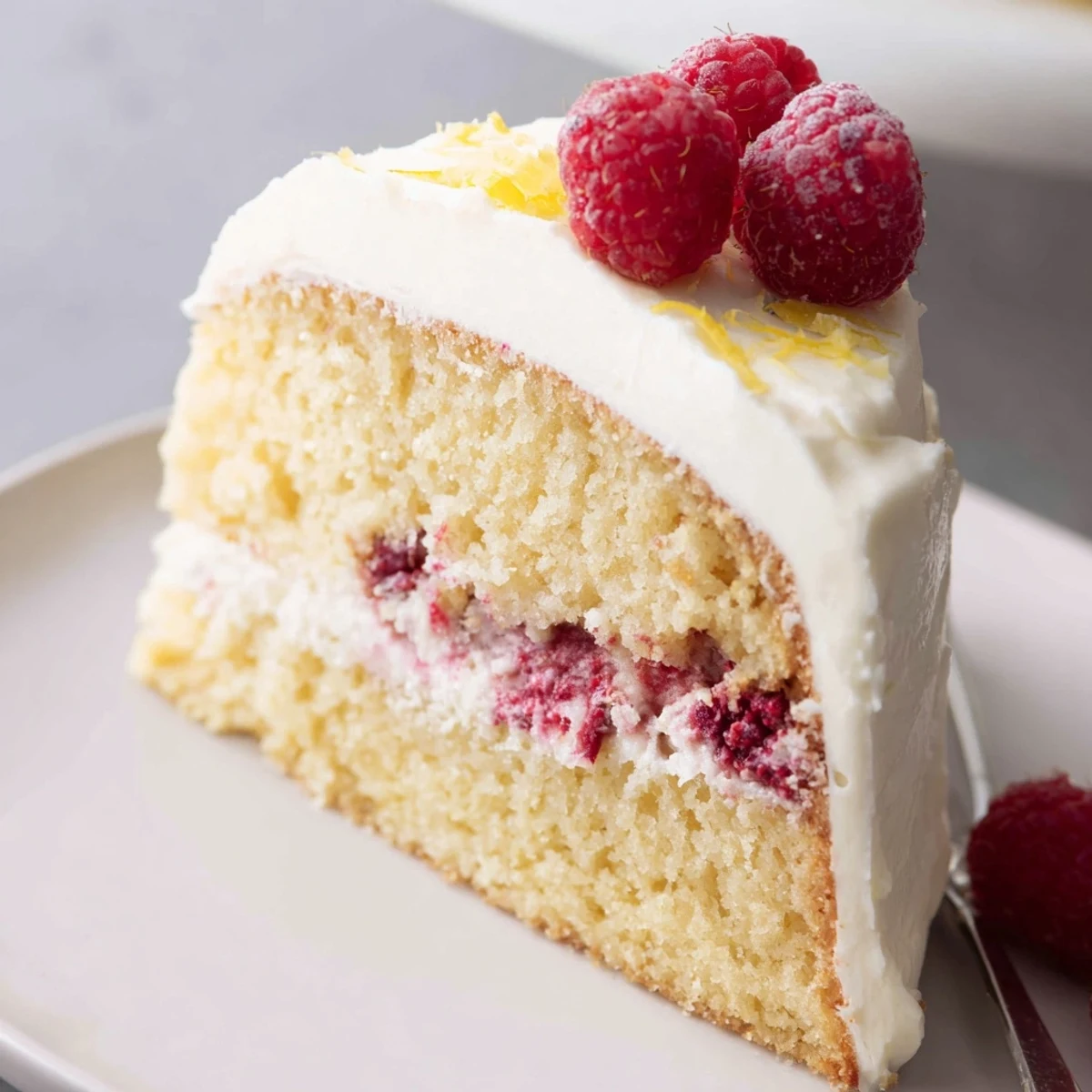
 This lemon and raspberry layer cake features a zesty lemon sponge with fresh lemon juice and zest for brightness. Layers are filled with a sweet-tart raspberry mixture thickened gently to hold its shape. The cake is finished with a luscious lemon cream cheese frosting offering a smooth, tangy sweetness that ties the flavors together. Bake the sponge until golden and fully set, then cool before assembling. Chill before slicing to keep clean layers. Ideal for celebrations or afternoon tea with subtle citrus and berry notes.
I'll never forget the afternoon I opened my neighbor's screen door and caught that unmistakable perfume of fresh lemons mixed with warm butter—she was layering the most elegant cake I'd ever seen, and I demanded the recipe on the spot. Years later, I've made this cake dozens of times, and it never fails to stop conversations at the table. The magic isn't just in the bright, tangy lemon sponge or the jewel-like raspberry filling nestled between the layers, but in how it tastes like springtime even in the deepest winter. It's become my go-to cake for every celebration that matters.
My sister served this cake at her garden wedding on a humid June afternoon, and I watched people literally pause mid-conversation to taste it properly. The combination of that fluffy, tender crumb with the tartness of the raspberries somehow felt both celebratory and deeply comforting. That's when I realized this cake works for any moment you want to feel a little fancy, whether it's a formal party or a quiet Tuesday with your closest friend.
Ingredients
- All-purpose flour: Use the fluff-and-scoop method rather than scooping directly from the bag, or weigh it—overpacking flour is the silent killer of tender cakes.
- Baking powder and baking soda: These are your lift and rise; make sure they're fresh (less than six months old) or your cake will be disappointingly dense.
- Unsalted butter: Room temperature is non-negotiable—cold butter won't incorporate properly into the sugar and will leave you with a grainy crumb.
- Granulated sugar: The granules create tiny air pockets when beaten with butter, giving you that signature tender crumb.
- Eggs: Also room temperature; they emulsify better and create a smoother batter that rises more evenly.
- Lemon zest and fresh lemon juice: The soul of this cake—never use bottled juice, and zest right before mixing so the oils stay bright and fragrant.
- Fresh raspberries: If they're not peak season, frozen work beautifully (thaw and drain them first to avoid excess moisture).
- Cream cheese and butter for frosting: Both softened is crucial; if either is too cold, your frosting will be lumpy and impossible to spread.
Instructions
- Set the stage with your pans and oven:
- Preheat to 350°F and grease your three 8-inch pans thoroughly, then line the bottoms with parchment paper—this insurance policy means your cakes will turn out cleanly every time. The oven temperature matters more than you'd think; too hot and the edges brown before the center bakes through.
- Whisk your dry ingredients:
- Combine flour, baking powder, baking soda, and salt in a bowl and set it aside. This distributes the leavening agents evenly so you won't hit pockets of baking soda.
- Cream butter and sugar until light:
- Beat them together for about 3 minutes until the mixture is pale and fluffy—this is where your cake gets its tender crumb, so don't skip this step even though it feels like it's taking forever. You'll know it's ready when you rub a tiny bit between your fingers and feel no graininess.
- Add eggs one at a time:
- Each egg should be fully incorporated before you add the next one; this creates a stable emulsion that holds air. The batter should look smooth and slightly glossy after each egg.
- Mix in the lemon:
- Stir in the zest, juice, and vanilla extract—you should smell that bright citrus hit your kitchen immediately. This is the moment you know you're making something special.
- Alternate flour and milk:
- Add a third of the flour mixture, then half the milk, then another third of flour, then the rest of the milk, then the final flour, mixing just until combined after each addition. Overmixing develops gluten and toughens the crumb, so stop as soon as you don't see streaks of flour.
- Divide and bake:
- Distribute the batter evenly among your three pans (use a scale if you're obsessive like me) and smooth the tops. Bake for 25–30 minutes until a toothpick comes out clean and the cakes spring back when lightly touched.
- Cool with intention:
- Let them cool in the pans for 10 minutes—this allows them to set slightly so they won't break apart—then turn them out onto cooling racks. Completely cool cakes are essential for assembly; a warm cake will melt your frosting.
- Make your raspberry filling:
- Combine raspberries, sugar, and lemon juice in a small saucepan and cook over medium heat, stirring and gently mashing the berries as they break down. Once it bubbles, stir in your cornstarch slurry (cornstarch mixed with water) and cook for 1–2 minutes more until the mixture coats the back of a spoon and looks glossy and thickened.
- Beat the frosting until clouds form:
- Combine softened cream cheese and butter and beat until completely smooth, then gradually add powdered sugar (sifted to prevent lumps) and mix until fluffy and light. Beat in the lemon zest, juice, vanilla, and salt until you have a smooth, spreadable consistency that holds its shape.
- Assemble with care:
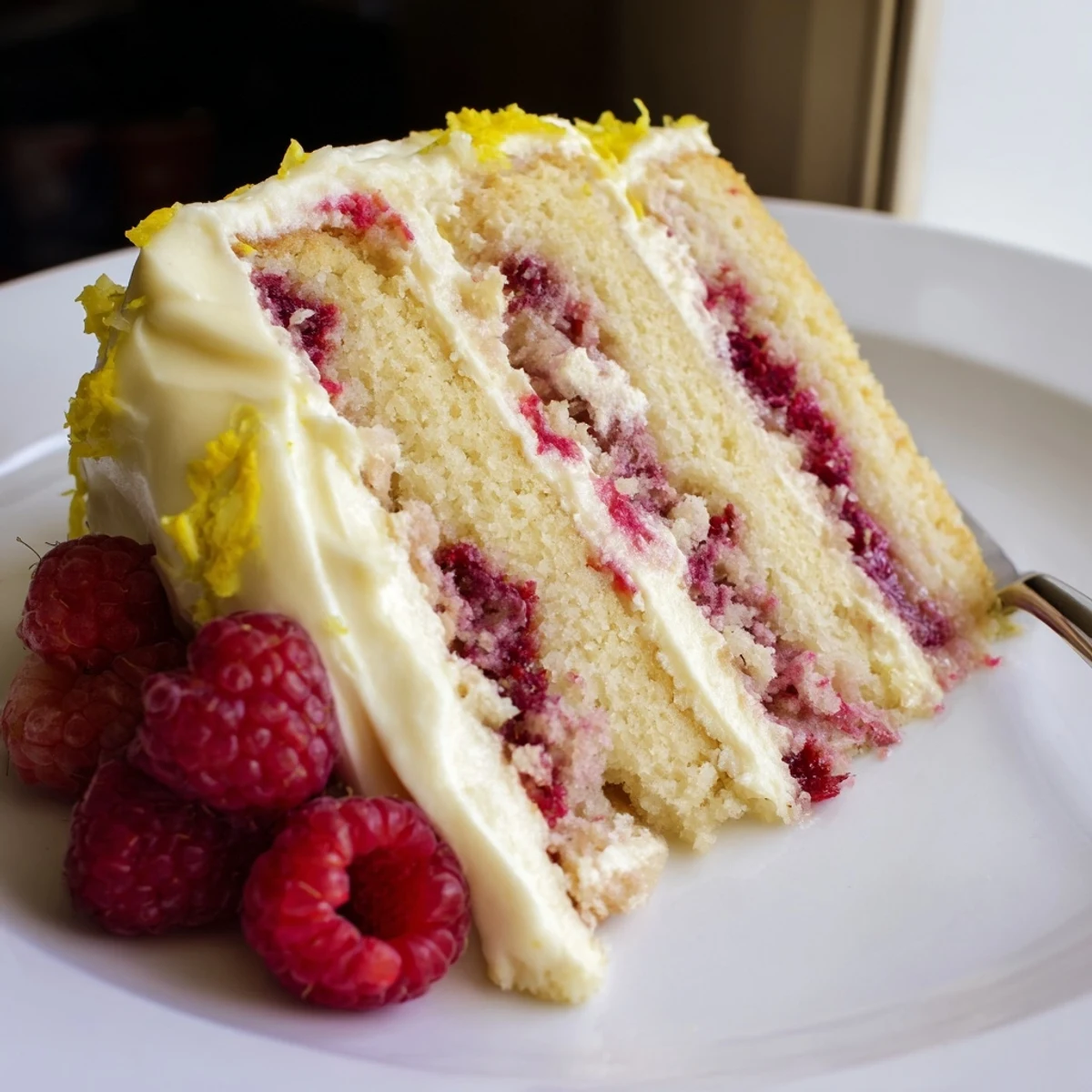
- Place your first cake layer on a serving plate, spread half the cooled raspberry filling over it leaving a small border, then top with the second layer and repeat with the remaining filling. Crown it with the third layer and frost the top and sides with your lemon cream cheese frosting, using an offset spatula to create smooth or rustic layers depending on your mood.
- Finish and chill:
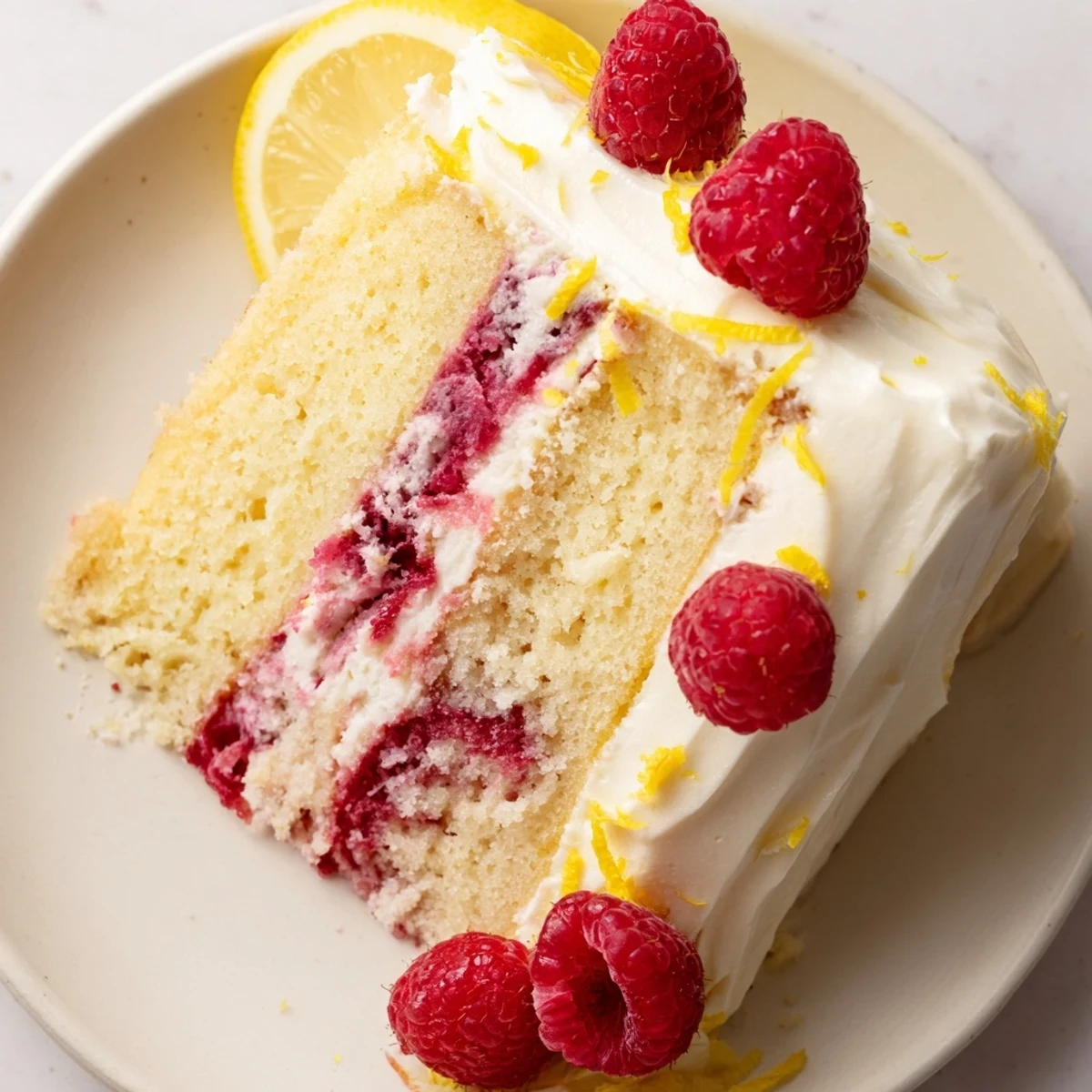
- Top with fresh raspberries and lemon zest if desired, then chill for at least 30 minutes before slicing so the layers stay intact and neat.
 Pin This
 I once made this cake for a neighbor who was going through a rough patch, and she told me years later that having something delicious to look forward to that afternoon meant more than I realized. Food does that sometimes—it becomes the vehicle for care, for celebration, for showing up for the people we love.
The Art of Layering
The moment of assembly is when this cake becomes beautiful; you're essentially stacking three delicate rounds with jewel-toned filling peeking out between them. I learned the hard way that patience matters here—rushing to frost a warm cake results in frosting melting into the filling and everything sliding sideways. Once you've chilled the frosting and filled your cake, the actual assembly feels almost meditative, like you're building something that's going to make people happy.
Flavor Combinations and Substitutions
While this cake is perfect as written, I've learned that it's also forgiving enough to adapt. Strawberries or blueberries work beautifully in place of raspberries if that's what's fresh and affordable in your market. A light brush of lemon syrup (equal parts lemon juice and sugar, heated together) on each cake layer before assembly adds an extra intensity that makes people ask how you made it taste so bright.
Serving and Storage
This cake tastes best at room temperature, so pull it from the refrigerator about 20 minutes before serving so the frosting softens slightly and the flavors open up. Wrapped in plastic wrap and stored in the refrigerator, it keeps beautifully for up to three days, though I rarely have leftovers.
- Pair slices with a glass of Prosecco or cold Earl Grey tea for an afternoon that feels like a celebration.
- If you're making this ahead, assemble and frost it the day before serving for easier slicing.
- Use a hot, wet knife wiped clean between cuts if you want pristine-looking slices.
 Pin This
 Every time I make this cake, I'm grateful for that afternoon at my neighbor's kitchen door, and for how food has a way of becoming part of your story. I hope this one becomes part of yours too.
Questions & Answers
- → How do I ensure the lemon sponge stays moist?
-
Use softened butter and beat it well with sugar for air incorporation. Adding fresh lemon juice and whole milk helps keep the sponge tender and moist.
- → Can fresh raspberries be substituted?
-
Yes, fresh or thawed frozen raspberries both work well for the filling. You may also substitute with strawberries or blueberries for a different berry flavor.
- → How is the raspberry filling thickened?
-
The filling thickens by cooking raspberries with sugar and lemon juice, then adding a cornstarch slurry, cooking until the mixture pulses gently to a spreadable consistency.
- → What is the best way to frost the cake smoothly?
-
Beat the cream cheese and butter until smooth and creamy before gradually adding powdered sugar. Add lemon zest and juice last for even distribution, then apply frosting chilled cake layers for easy spreading.
- → How can I decorate the cake for a finishing touch?
-
Fresh raspberries and lemon zest work beautifully as natural decorations that complement the cake’s flavors while adding visual appeal.