
 Pin This
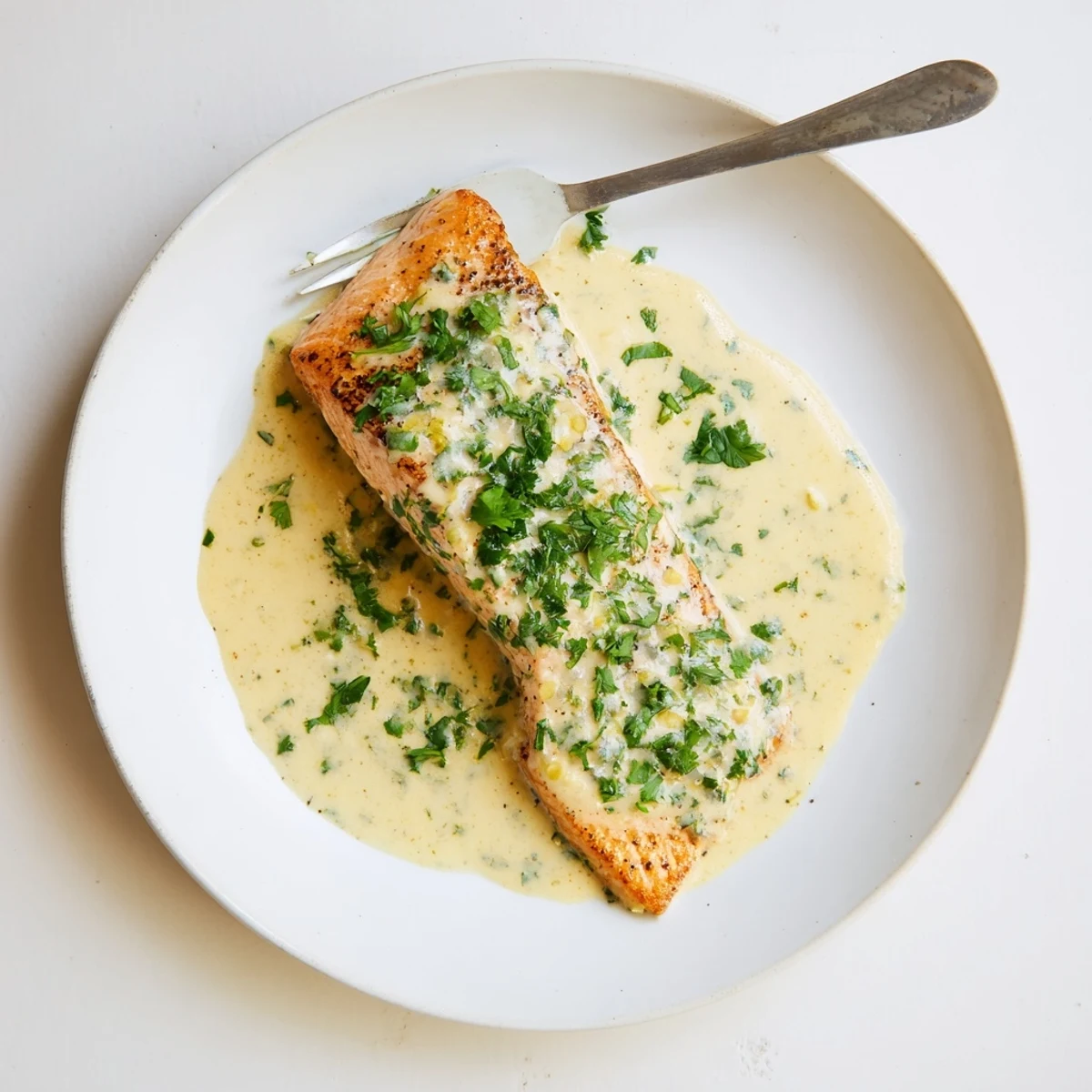
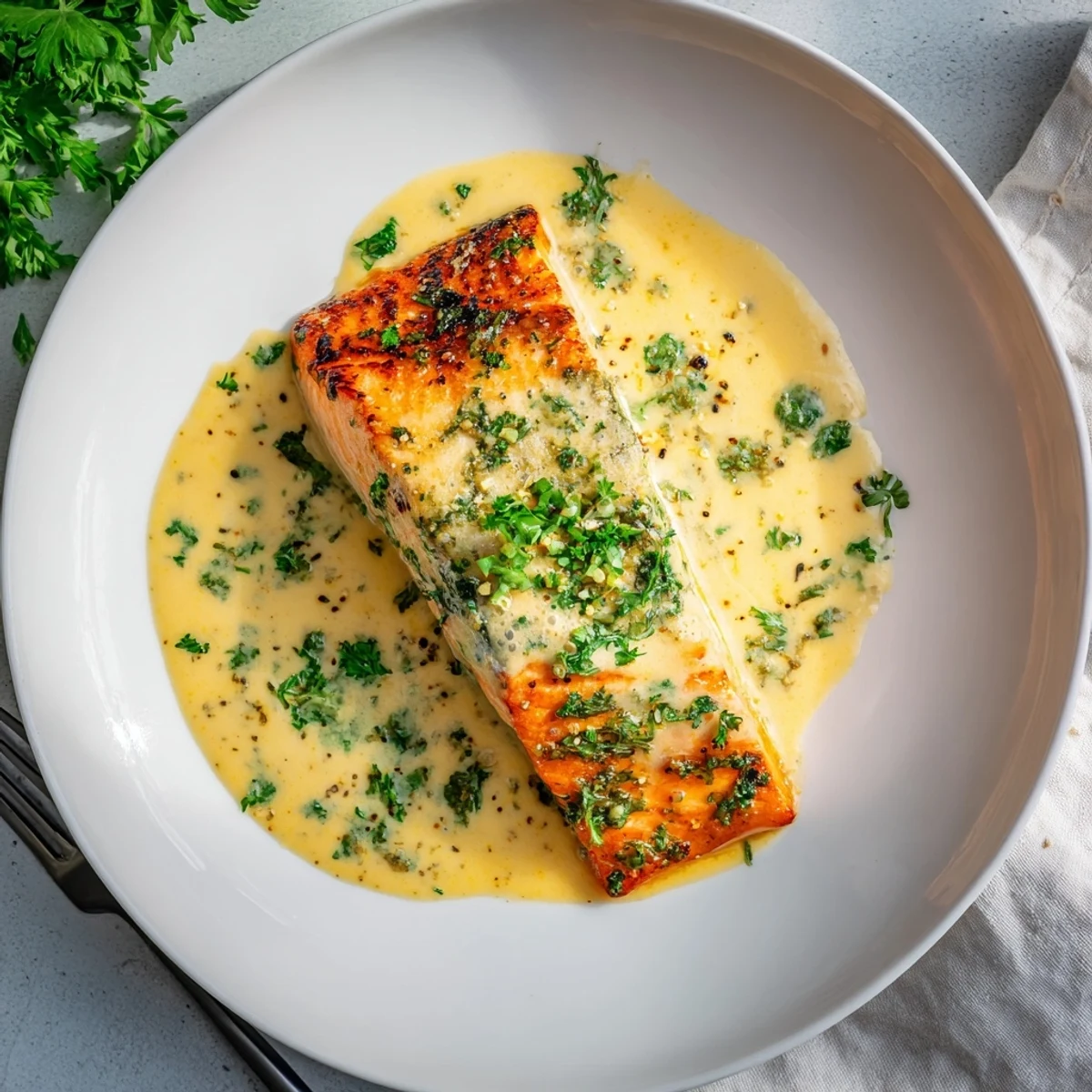
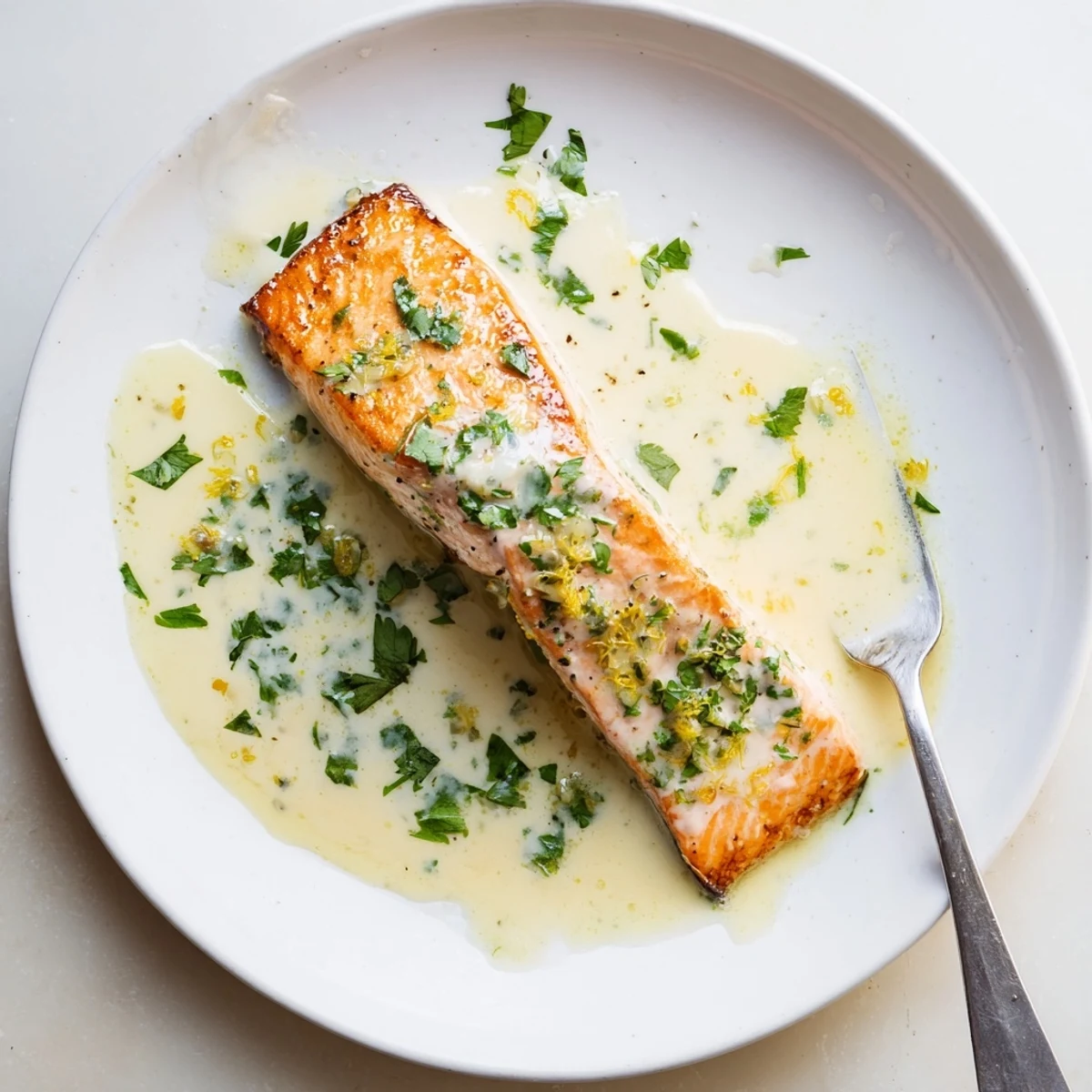
 Ready in just 30 minutes, this pan-seared salmon features a rich and creamy lemon sauce that comes together in the same skillet. The fillets are seasoned and seared until golden, then smothered in a velvety sauce made with heavy cream, fresh lemon zest and juice, garlic, and Dijon mustard. Fresh parsley adds brightness and color to the finished dish.
Perfect for a quick weeknight dinner yet impressive enough for guests, this pescatarian-friendly main dish pairs beautifully with steamed vegetables, rice, or mashed potatoes. The sauce can be lightened with half-and-half, and a splash of white wine adds extra depth if desired.
The sizzle of salmon hitting a hot pan is one of those sounds that instantly makes a kitchen feel alive. My neighbor brought over four gorgeous fillets one rainy Tuesday, and I had nothing planned for dinner except cereal. That night changed everything about how I think of weeknight cooking.
My daughter, who usually pushes fish around her plate without enthusiasm, asked for seconds that first night and now requests it every other week. The cream sauce pooled into her rice and she called it magic gravy, a name that has permanently stuck in our house.
Ingredients
- 4 skinless salmon fillets (about 170 g each): Try to buy fillets of similar thickness so they cook evenly and you avoid the dreaded half raw, half overcooked situation.
- 2 tablespoons butter: Unsalted butter gives you more control over the final seasoning of the sauce.
- 2 cloves garlic, minced: Fresh garlic makes a noticeable difference here since there are so few ingredients in the sauce.
- 1 cup heavy cream: This is the foundation of the sauce, so do not be tempted to skimp or substitute unless you must.
- Zest of 1 lemon: Use a microplane and zest only the yellow layer, as the white pith underneath will introduce unwanted bitterness.
- 2 tablespoons fresh lemon juice: Roll the lemon firmly on the counter before juicing to extract every last drop.
- 1 teaspoon Dijon mustard: This tiny addition adds a subtle sharpness that balances the richness of the cream beautifully.
- 2 tablespoons fresh parsley, chopped: Flat leaf parsley has a cleaner flavor than curly, though either will work in a pinch.
- Salt and freshly ground black pepper: Season the salmon generously before searing and taste the sauce before serving.
- 1 tablespoon olive oil: A neutral oil works too, but olive oil adds a gentle fruitiness that complements the fish.
Instructions
- Prep the salmon:
- Pat the fillets thoroughly dry with paper towels and season both sides well with salt and pepper, letting them sit for a few minutes while the pan heats up.
- Sear the fillets:
- Heat olive oil in a large nonstick skillet over medium high heat until it shimmers, then lay the salmon in gently and cook for 4 to 5 minutes per side until a golden crust forms and the fish flakes easily with a fork.
- Set aside and keep warm:
- Transfer the salmon to a plate and tent it loosely with foil so it stays warm while you build the sauce in the same pan.
- Start the sauce base:
- Reduce the heat to medium, melt the butter in the skillet, and sauté the garlic for about one minute until your whole kitchen smells incredible.
- Build the cream sauce:
- Pour in the heavy cream and bring it to a gentle simmer, then stir in the lemon zest, lemon juice, and Dijon mustard, letting it bubble softly for 3 to 4 minutes until it coats the back of a spoon.
- Finish with parsley and season:
- Stir in the chopped parsley and taste the sauce, adding salt and pepper until it sings with balanced flavor.
- Bring it all together:
- Nestle the salmon fillets back into the skillet, spoon the sauce lovingly over each piece, and let everything simmer together for 2 to 3 minutes so the flavors truly marry.
 Pin This
 Serving this to friends on a cold evening with a bottle of Sauvignon Blanc and a simple green salad turned an ordinary Thursday into something worth remembering.
Smart Pairings for the Plate
Mashed potatoes soak up the lemon cream sauce like a dream, making them my top choice when I want comfort on the plate. Steamed asparagus or green beans add a bright crunch that cuts through the richness without competing for attention. Rice works beautifully too, especially if you let the sauce drip down into each spoonful the way my daughter does.
Making It Lighter Without Losing Joy
Half and half can stand in for heavy cream if you want something a bit less indulgent, though the sauce will be thinner and less velvety. A teaspoon of cornstarch mixed into the cold half and half before adding it helps mimic that luxurious texture. The flavor stays bright and lemony regardless, so you are not sacrificing the soul of the dish.
Tools That Make This Effortless
A good nonstick skillet is honestly the most important tool here because salmon skin sticks mercilessly to uncoated pans and falling apart fillets break your heart. Beyond that, keep a sturdy spatula, a microplane for zesting, and a sharp knife for mincing garlic within arm reach.
- A fish spatula with a thin flexible blade slides under delicate fillets without tearing them.
- Measure your ingredients before you start cooking so you can focus entirely on the pan once the heat is on.
- Always zest your lemon before juicing it because a hollowed lemon is frustratingly difficult to zest.
 Pin This
 This recipe turned a random Tuesday into a tradition, and I hope it brings that same easy warmth to your table. Trust the sizzle, taste the sauce, and enjoy every bite.
Questions & Answers
- → How do I know when the salmon is done cooking?
-
The salmon is done when it reaches an internal temperature of 145°F (63°C) or when the flesh flakes easily with a fork. For medium doneness, aim for about 4-5 minutes per side. The salmon should still be moist and slightly translucent in the center.
- → Can I use salmon with skin?
-
Yes, you can use skin-on salmon fillets. Sear skin-side down first for 4-5 minutes to crisp the skin, then flip and cook for another 3-4 minutes. The skin adds crispy texture and helps keep the fish moist during cooking.
- → What can I substitute for heavy cream?
-
For a lighter version, substitute half-and-half or evaporated milk. Coconut milk works for dairy-free options, though it will alter the flavor profile. Keep in mind that lower-fat substitutes may not thicken as much as heavy cream.
- → How do I prevent the sauce from curdling?
-
Keep the heat at medium or medium-low when adding the cream to prevent curdling. Avoid boiling vigorously. Stirring constantly and adding cream slowly to the garlic butter base helps maintain a smooth, creamy texture.
- → Can I make this ahead of time?
-
The salmon is best served immediately for optimal texture. However, you can prepare the sauce ahead and reheat gently. Store cooked salmon in the refrigerator for up to 2 days and reheat gently in the sauce to prevent drying.
- → What sides pair well with this salmon?
-
Steamed asparagus, roasted broccoli, or green beans complement the rich sauce. For starches, try mashed potatoes, jasmine rice, or crusty bread to soak up the extra sauce. A crisp white wine like Sauvignon Blanc balances the creaminess perfectly.