
 Pin This
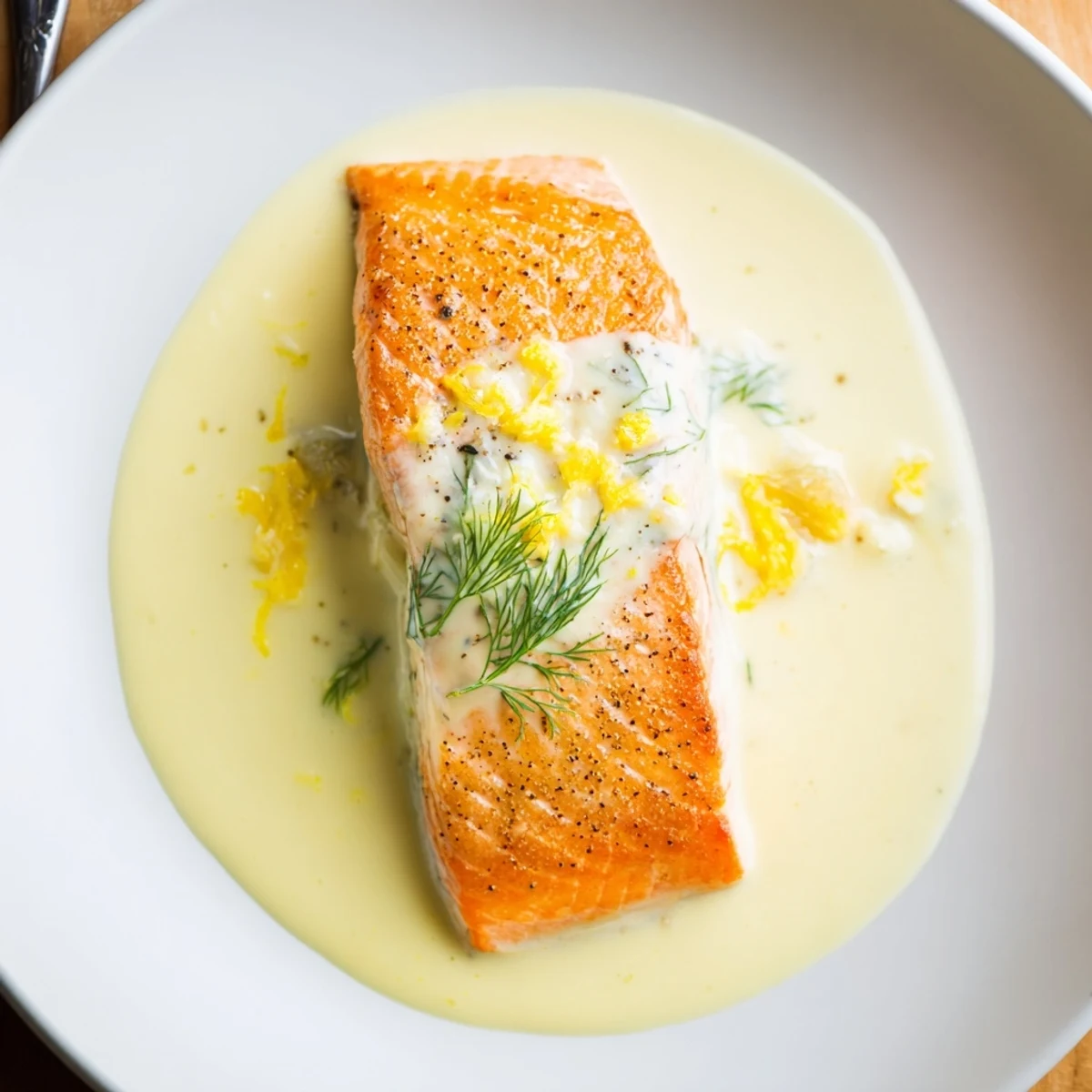
 This French-inspired main pairs seared salmon fillets with a velvety lemon-infused cream sauce. Start by patting the fish dry and searing in hot oil until golden, then sauté garlic, deglaze with white wine or stock, and gently reduce cream with lemon juice and zest. Stir in fresh dill, return the salmon to the pan to warm through, and serve with steamed vegetables, roasted potatoes, or rice. Serves four in about 30 minutes.
The sizzle of salmon hitting a hot pan is one of those sounds that instantly makes a kitchen feel alive, and on a rainy Tuesday evening with nothing planned, that sound turned a boring night into something worth remembering.
My neighbor stopped by once while I was making this and ended up staying for dinner, fork in hand, barely letting the plate cool before going back for seconds.
Ingredients
- 4 skinless salmon fillets (6 oz each): Try to get fillets of similar thickness so they cook evenly and nothing ends up dry while you wait for the thicker pieces.
- Salt and black pepper: Season generously on both sides, the fish needs it more than you think.
- Olive oil: A good tablespoon gives the salmon that golden crust without sticking.
- Unsalted butter: This is the base of the sauce, so use real butter here, nothing else gives it the same richness.
- Garlic cloves: Finely minced so it melts into the cream without leaving chunky bits.
- Dry white wine or fish stock: Wine adds depth, but stock works beautifully if you prefer to skip alcohol.
- Heavy cream: This is what makes the sauce velvety, do not reach for milk or it will break and feel thin.
- Fresh lemon juice and zest: The zest carries floral brightness while the juice cuts through the richness.
- Fresh dill or parsley: Dill is the classic pairing with salmon and truly makes it sing.
Instructions
- Prep the salmon:
- Pat the fillets bone dry with paper towels and season both sides with salt and pepper, pressing gently so it adheres.
- Sear the fillets:
- Heat olive oil in a large nonstick skillet over medium high heat until it shimmers, then lay the salmon in flesh side down and cook without moving for 3 to 4 minutes until a deep golden crust forms, flip and cook the other side the same way before transferring to a plate.
- Start the sauce:
- Reduce heat to medium, melt the butter in the same pan, and let the garlic sizzle for about a minute until your whole kitchen smells incredible.
- Build the glaze:
- Pour in the wine and let it bubble for 2 to 3 minutes, scraping up every golden bit stuck to the pan because that is pure flavor.
- Add the cream:
- Stir in the heavy cream, lemon juice, and zest, then let it simmer gently for 3 to 4 minutes until it thickens enough to coat the back of a spoon.
- Finish with herbs:
- Stir in the chopped dill, taste the sauce, and adjust with salt and pepper until it feels balanced and bright.
- Bring it all together:
- Nestle the salmon back into the pan, spoon the sauce over each fillet, and let everything warm through for a minute or two before serving with extra herbs on top.
 Pin This
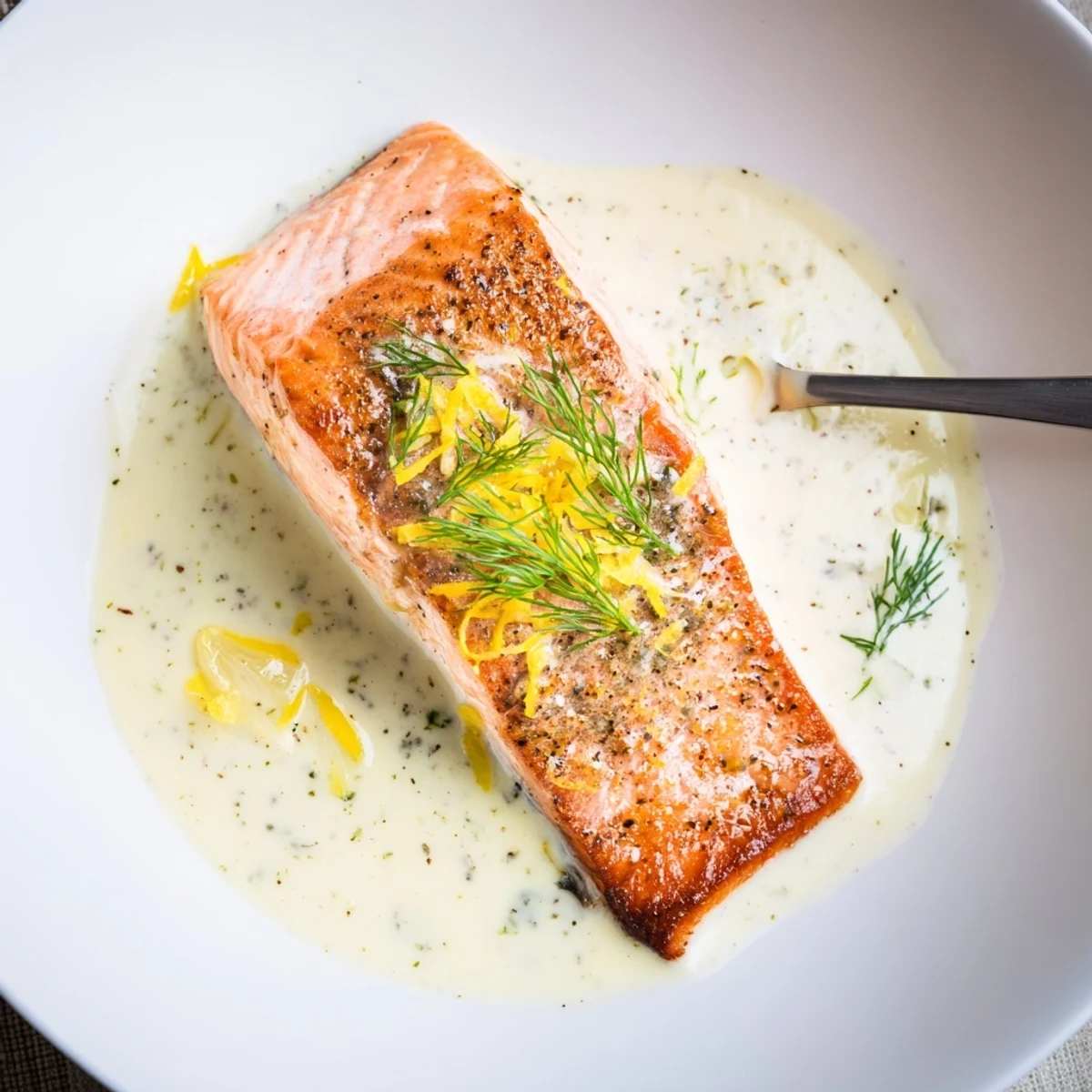
 There is something about the way the cream sauce pools around the salmon on a white plate that makes the whole table go quiet for a moment.
Serving Suggestions
Steamed asparagus or roasted baby potatoes soak up the extra sauce beautifully, and a pile of buttered rice works when you need something easy and comforting.
Wine Pairing
A chilled glass of Sauvignon Blanc alongside this dish feels like a tiny vacation, the citrus in the wine mirrors the lemon in the sauce and everything just clicks.
Making It Your Own
This recipe is forgiving and open to interpretation once you get the hang of the basic technique.
- A teaspoon of Dijon mustard swirled in at the end adds a warm, tangy depth that changes the whole character.
- Half and half can replace heavy cream for a lighter version, just simmer it a little longer to thicken.
- Always taste the sauce before serving, a tiny squeeze more lemon or pinch of salt can transform it.
 Pin This
 Some dinners are just food, but this one has a way of turning an ordinary evening into something you will want to repeat again and again.
Questions & Answers
- → How can I tell when salmon is perfectly cooked?
-
Look for flesh that turns opaque and flakes easily with a fork. For a slightly tender center aim for 125–130°F (52–54°C); 140°F (60°C) yields firm, fully cooked fish. Let fillets rest a minute off the heat to finish gently.
- → How do I get a good golden crust on the salmon?
-
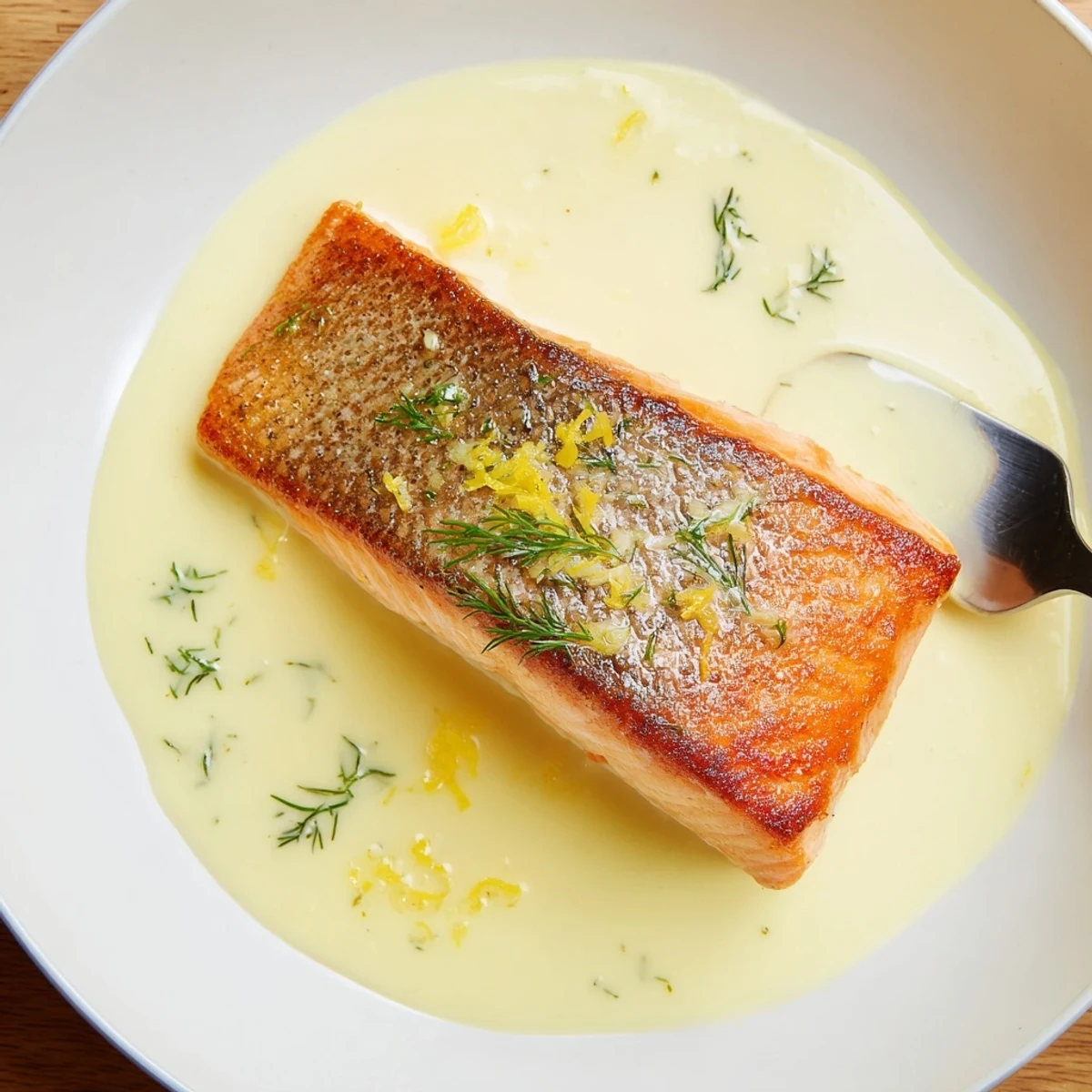
Pat fillets dry, season, and heat oil in a skillet until shimmering. Add fish flesh-side down and don't move it for 3–4 minutes to form a crust, then flip once and cook briefly on the other side.
- → What thickens the lemon cream sauce without splitting it?
-
Simmer the sauce gently to reduce and concentrate. If needed, whisk in a small cornstarch slurry or finish with a knob of cold butter off the heat to emulsify. Avoid vigorous boiling after adding cream to prevent separation.
- → Can I skip the wine and still get good flavor?
-
Yes—use a mild fish or vegetable stock to deglaze the pan. Taste and add a touch more lemon juice to restore acidity lost without wine. Low-sodium stock helps control overall saltiness.
- → What are lighter or dairy-free alternatives to heavy cream?
-
For a lighter finish use half-and-half or crème fraîche. For dairy-free, try full-fat canned coconut milk or a neutral dairy-free cream and boost acidity with extra lemon and a spoon of mustard for balance.
- → Best way to reheat leftovers without drying the salmon?
-
Warm gently in a skillet over low heat with a splash of stock or a little extra sauce, spooning it over the fillets. Alternatively, cover and reheat in a low oven (275°F/135°C) briefly until warmed through.