
 Pin This
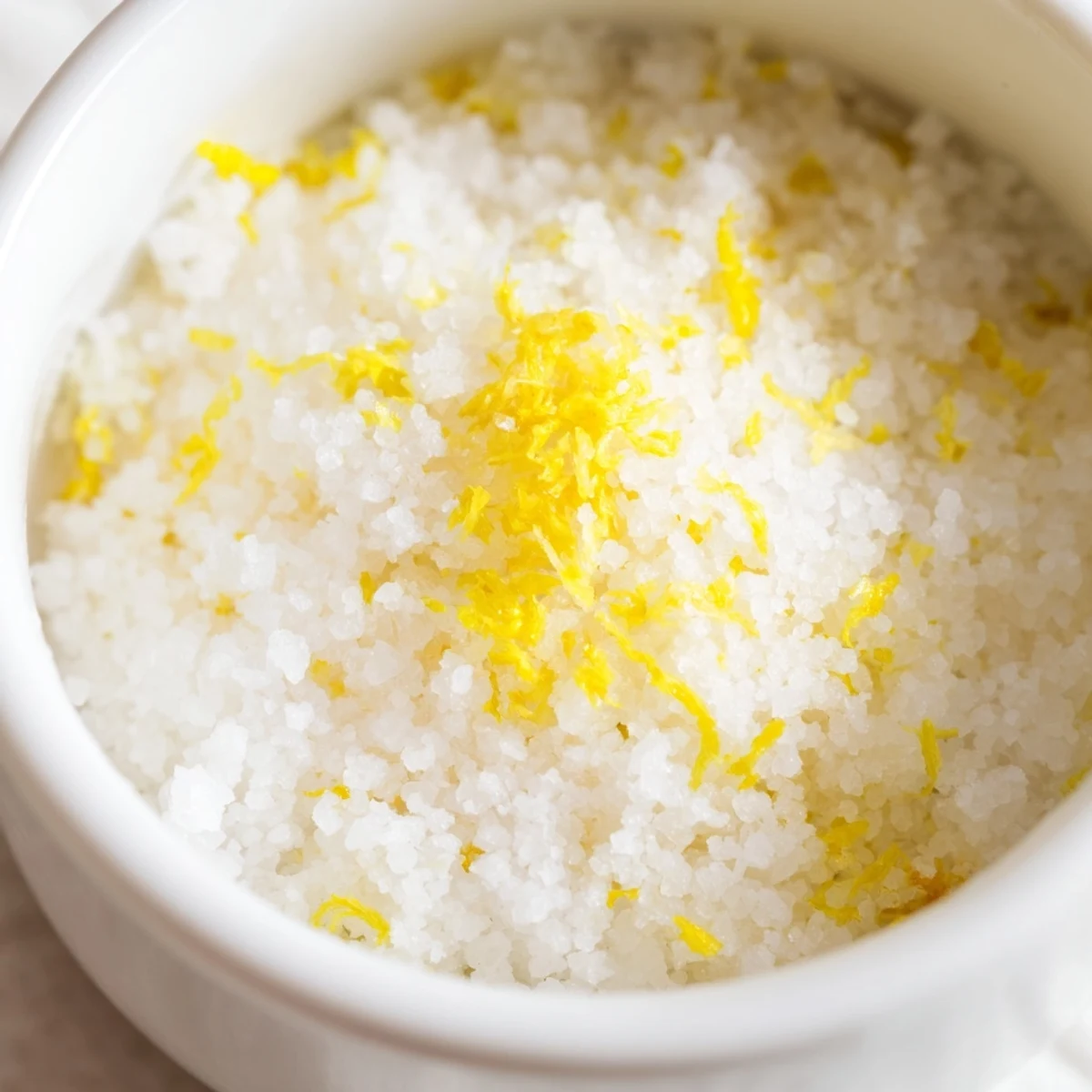
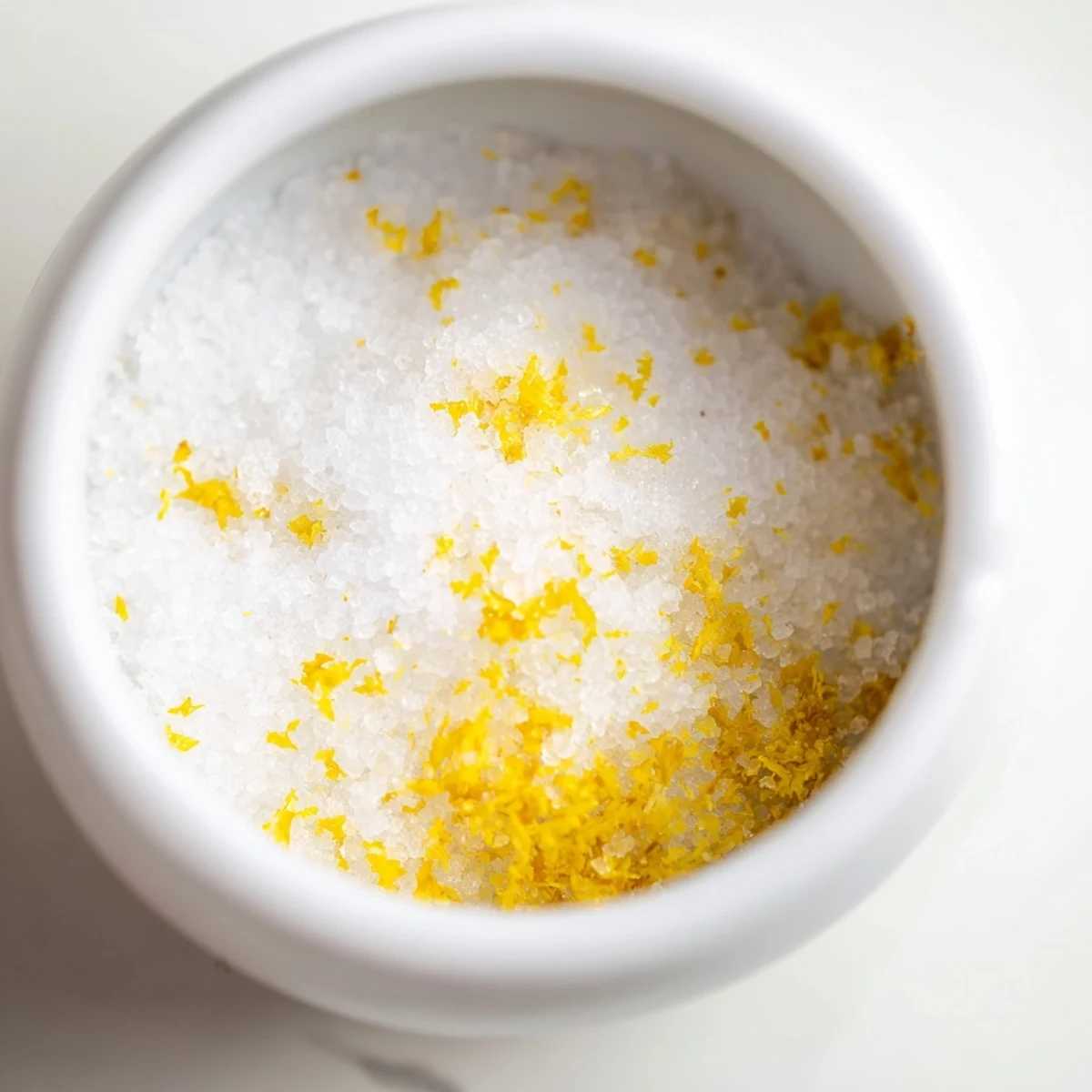
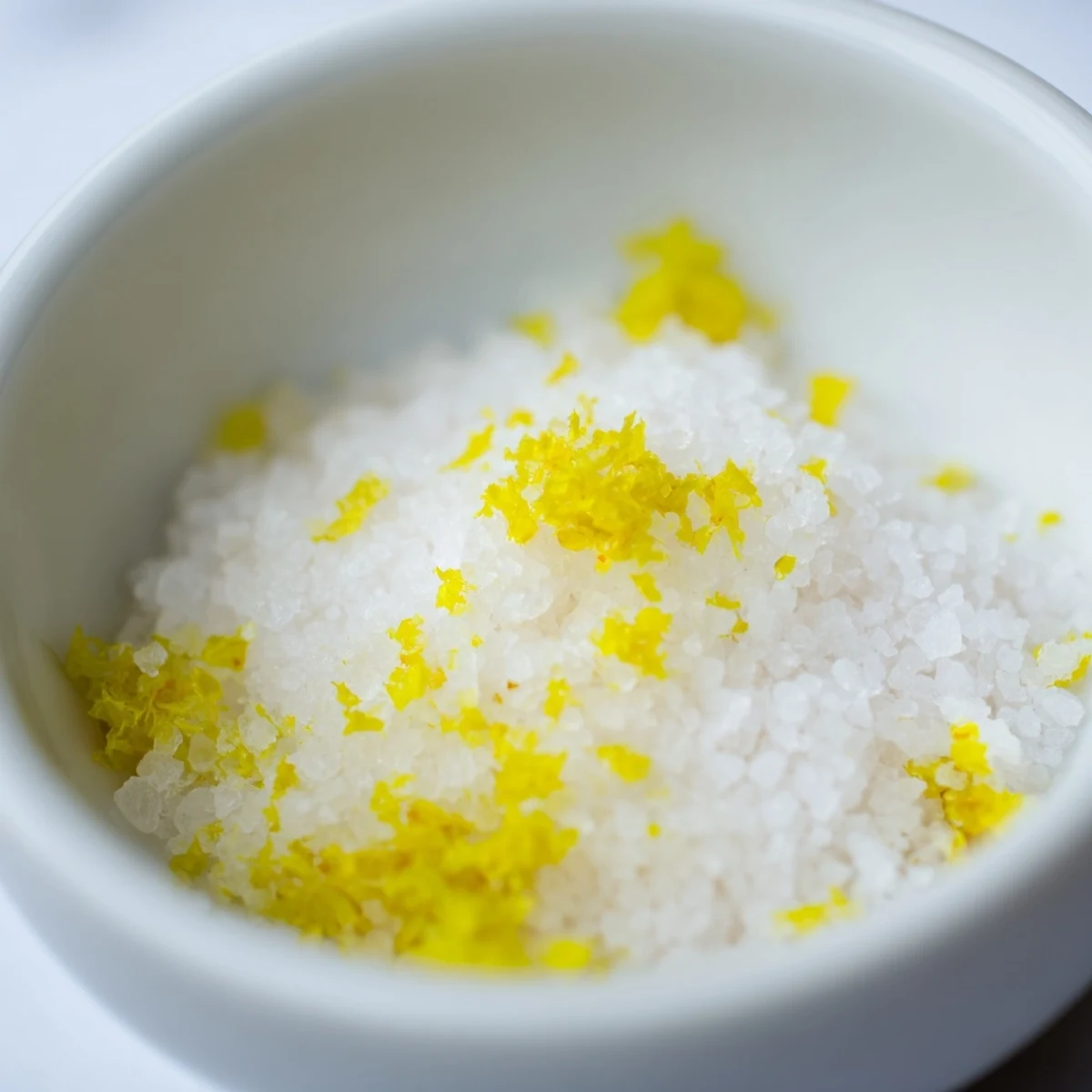
 This bright sugar blend infuses granulated sugar with freshly grated lemon zest, creating a fragrant, citrusy condiment. Easy to prepare in minutes, it brings a fresh brightness to baked goods, teas, and desserts. Simply mix sugar with lemon zest until evenly incorporated, then store in an airtight container for up to two weeks. Versatile and vegan-friendly, it's a quick way to elevate everyday sweet treats with natural zest and aroma.
I discovered lemon zest sugar by accident one morning while making lemon bars, when I grabbed a microplane out of pure curiosity instead of my usual grater. The zest caught the light as I worked it into the sugar with my fingertips, releasing this incredible fragrance that filled my small kitchen instantly. That moment changed how I thought about seasoning—suddenly sugar wasn't just sweet, it was alive with flavor. Now I make it constantly, almost mindlessly, the way some people brew tea.
My neighbor smelled this brewing in my kitchen during a lazy Saturday and asked what I was making—when I explained it was just sugar and lemon zest, she looked almost offended that something so simple could smell that good. I gave her a jar and she came back the next week asking for three more, claiming she'd been sprinkling it on everything from yogurt to fish. That's when I realized this tiny condiment had quietly become my most requested gift.
Ingredients
- Granulated sugar (1 cup / 200 g): The foundation—use the regular white kind, nothing fancy needed, because the lemon is doing all the heavy lifting here.
- Fresh lemon zest (2 tablespoons from 2 large lemons): This is where everything happens; the oils in the peel are where the actual flavor lives, so use lemons that feel heavy and bright yellow, not dull or soft.
Instructions
- Prep your lemons:
- Wash them under warm running water and dry them completely—any moisture will make the sugar clump later. Roll them on the counter with your palm first to help release the oils; you'll actually feel them soften slightly under your hand.
- Zest with intention:
- Using a microplane or fine grater, work over a bowl and press down gently, letting the zest fall in feathery strands. Stop before you hit the white pith underneath—that bitter part will ruin the whole thing, so taste as you go if you're unsure.
- Rub it together:
- Combine the sugar and zest in a bowl, then use your fingertips to work them together like you're making breadcrumbs. You want to break down the zest slightly and distribute it evenly; this takes maybe a minute, and you'll smell the transformation happen.
- Store or use:
- Transfer to an airtight container if you're being patient, or just use it immediately on whatever you're baking—there's no waiting, no cooking, just instant brightness.
 Pin This
 This recipe became meaningful to me when I realized it wasn't about impressing anyone—it was about the small rituals we create in our kitchens, the tiny preparations that make ordinary moments taste a little brighter. Every time I reach for a jar now, I'm reminded that the best things often come from paying attention to the basics.
When to Reach for This
The real magic happens when you stop thinking of this as just a topping and start seeing it as a secret weapon—dust it over warm cookies straight from the oven so it clings to the butter, stir it into softened cream cheese for a cake frosting that tastes like the Mediterranean, or even rim a glass of prosecco for something that feels fancy but took you seconds to make. I've found myself grabbing it for savory things too, a light sprinkle over roasted vegetables or fish, wherever you want brightness without moisture.
Storage and Keeping
Keep it in an airtight container at room temperature, and it will stay fresh and fragrant for up to two weeks—though honestly, it never lasts that long in my kitchen. If it does start to dry out or lose its brightness, make a new batch; it takes five minutes and costs almost nothing. The beauty of this recipe is that it's so quick and easy that there's never a good excuse to use old or tired flavored sugar.
Beyond the Original
Once you understand how this works, you've unlocked an entire category of possibilities that live in your pantry waiting to make something ordinary sing. Orange zest brings warmth and a slightly deeper sweetness, while lime zest gives you something tropical and almost mysterious. I've even made versions with lavender zest mixed in, or extra fine by pulsing everything briefly in a food processor if I want a texture that clings like dust rather than crystals.
- Try combining two citrus zests together for complexity that tastes like you planned it for hours.
- Store different flavored versions in small jars and let guests choose their own—it becomes a tiny experience rather than just a condiment.
- Keep a batch on your counter in a small bowl if you bake weekly; it stays fresh and reminds you to reach for brightness.
 Pin This
 This simple recipe taught me that sometimes the most valuable things in a kitchen aren't the fancy equipment or complicated techniques—they're the small intentional choices that make everything taste a little better. Keep a batch close at hand.
Questions & Answers
- → How do I zest lemons without the bitter white pith?
-
Use a microplane or fine grater to carefully remove only the yellow outer layer, avoiding the white pith underneath for a bright, fresh flavor.
- → Can I use other citrus zests instead of lemon?
-
Yes, orange or lime zest can be used for different citrus notes, offering creative flavor variations.
- → How should I store the lemon zest sugar?
-
Keep it in an airtight container at room temperature for up to two weeks to maintain freshness and aroma.
- → What are some ways to use lemon zest sugar?
-
Sprinkle it over baked goods, stir into tea or cocktails, or add brightness to oatmeal and desserts.
- → Is this sugar mixture suitable for special diets?
-
It is vegan and gluten-free, containing no common allergens.