
 Pin This
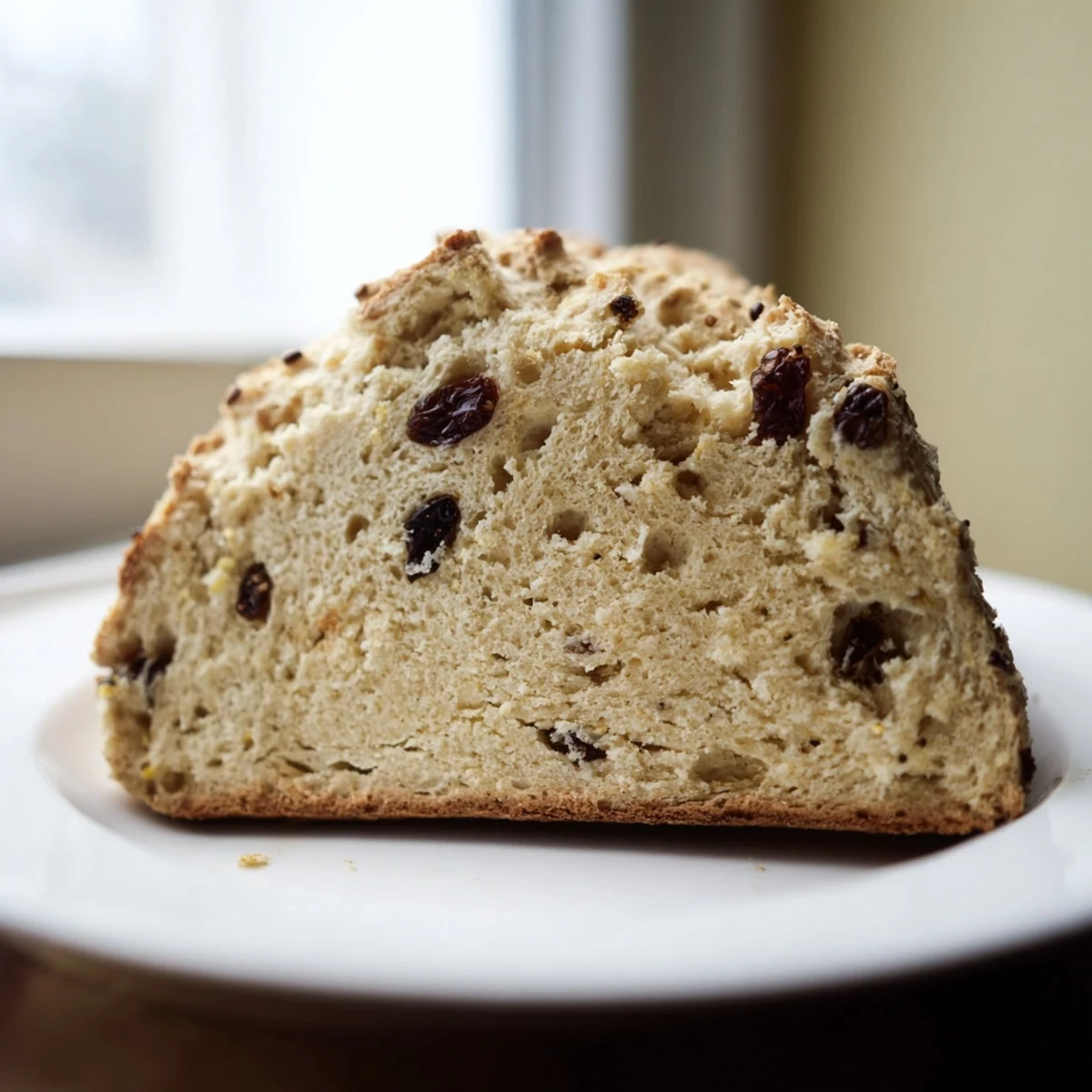
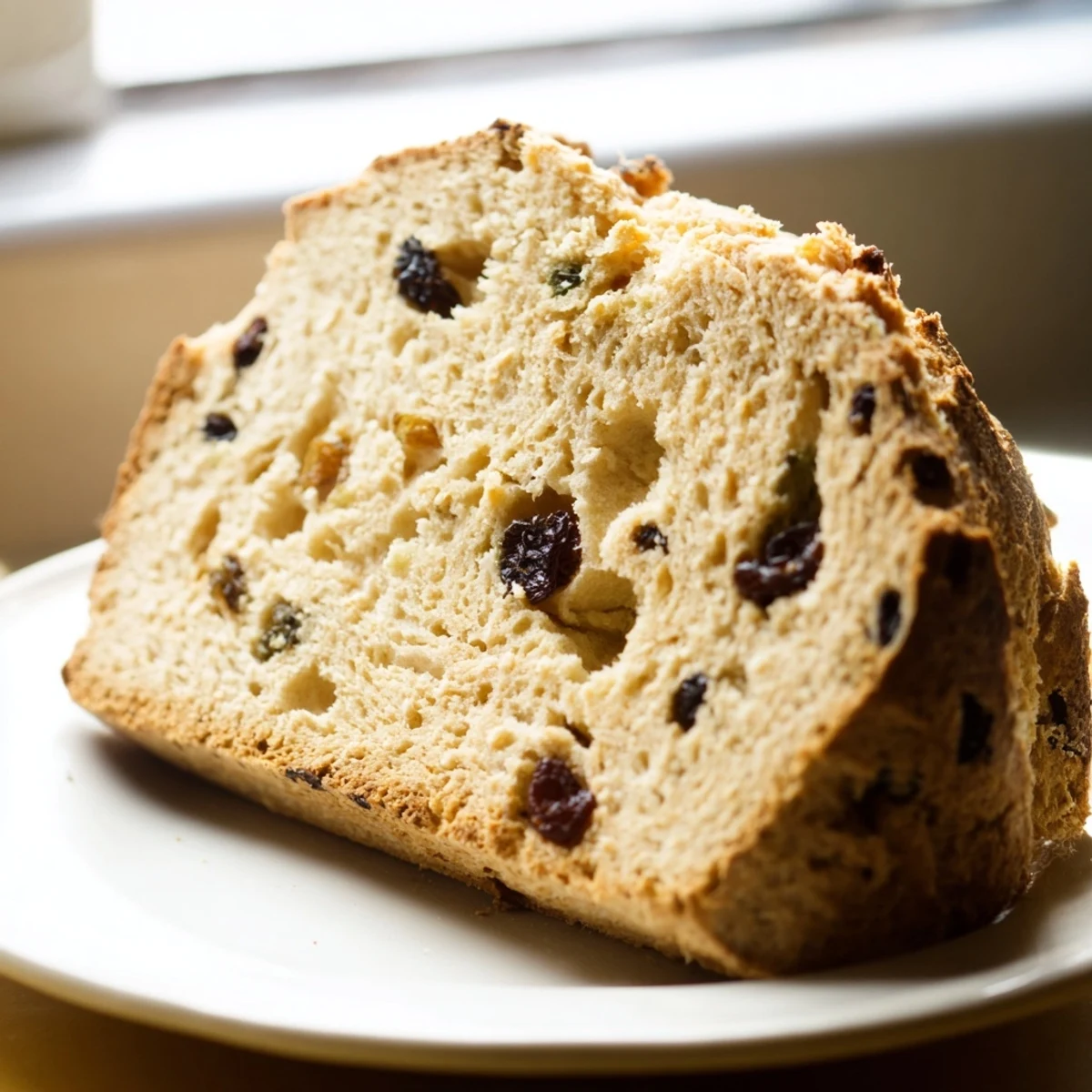
 This traditional Irish soda loaf blends the tang of buttermilk with the sweetness of currants and the warm aroma of caraway seeds. Its tender crumb and golden crust develop in just under an hour, making it a perfect choice for a quick, wholesome bread with character. Ideal for breakfast or teatime, the loaf pairs beautifully with butter and honey while offering a subtly sweet, slightly nutty flavor.
To prepare, dry ingredients including flour, sugar, baking soda, salt, and seeds are combined, followed by currants dusted with flour to prevent sinking. Wet ingredients—well-shaken buttermilk, egg, and melted butter—are then mixed in to form a shaggy dough. Minimal kneading preserves a tender texture before shaping into a round loaf, scored with a knife, and baked until golden and hollow sounding. Cooling before slicing ensures the perfect crumb.
The first time I made soda bread, I stood in my tiny apartment kitchen convinced something had gone terribly wrong. The dough was scruffy and awkward, nothing like the smooth yeast breads I'd spent years practicing. But when I pulled that golden loaf from the oven and cut into it while it was still steaming, I understood why this bread has been a staple for generations. The currants burst like little jewels against the subtle anise notes of caraway, and I knew I'd never need another breakfast bread recipe.
My grandmother would insist that soda bread must be cut while still warm from the oven, preferably slathered with butter that melts into every nook and cranny. I've carried that tradition forward, making loaves on rainy Sunday mornings when the house feels like it needs something cozy and comforting. The way the caraway seeds release their aroma as the bread bakes always brings me back to her kitchen, where she taught me that sometimes the simplest recipes carry the most heart.
Ingredients
- 3 1/2 cups all-purpose flour: This forms the foundation and provides structure for the quick chemical leavening
- 1/4 cup granulated sugar: Just enough sweetness to highlight the currants without making it a dessert
- 1 1/2 teaspoons baking soda: The backbone of this bread, reacting immediately with buttermilk to create rise
- 1 teaspoon fine sea salt: Essential for balancing the sweetness and enhancing all flavors
- 2 teaspoons caraway seeds: These tiny seeds add distinct earthy notes that make this bread unmistakably Irish
- 1 cup dried currants: Smaller and more tart than raisins, they distribute beautifully throughout the crumb
- 1 3/4 cups buttermilk: The acidity activates the baking soda while creating the most tender texture
- 1 large egg: Adds richness and helps bind the dough for a better slice
- 4 tablespoons unsalted butter: Melted into the wet ingredients for subtle depth and a golden crust
Instructions
- Preheat and prepare:
- Heat your oven to 400°F and line a baking sheet with parchment paper for easy cleanup
- Whisk the dry ingredients:
- Combine the flour, sugar, baking soda, salt, and caraway seeds in a large bowl until everything is evenly distributed
- Add the currants:
- Stir in the dried currants until they're well coated with flour, which helps prevent them from clumping together
- Mix the wet ingredients:
- In a separate bowl, whisk together the buttermilk, egg, and melted cooled butter until smooth
- Bring it together:
- Make a well in the center of the dry ingredients and pour in the wet mixture, stirring with a wooden spoon just until a shaggy dough forms
- Shape the loaf:
- Turn the dough onto a lightly floured surface and gently knead about eight to ten turns until it just comes together
- Form and score:
- Shape the dough into a round loaf about two inches high and transfer to your prepared baking sheet
- Create the signature cross:
- Cut a deep X across the top of the loaf with a sharp knife to help the bread bake evenly and release steam
- Bake to golden perfection:
- Bake for thirty-eight to forty-two minutes until the loaf is deeply golden and sounds hollow when tapped on the bottom
- Cool completely:
- Let the bread rest on a wire rack for at least thirty minutes before slicing to allow the crumb to set properly
 Pin This
 Last March I made three loaves for a St. Patrick's Day gathering, and by the time I reached for the butter dish, the first loaf had already vanished. People kept sneaking back into the kitchen, claiming they just needed to test it for quality assurance. Theres something about this bread that turns strangers into friends gathered around the cutting board, sharing slices still warm from the oven.
The Chemistry Behind the Magic
Soda bread relies on the immediate reaction between baking soda and acidic buttermilk, which is why this recipe comes together so quickly. Unlike yeast breads that need hours to develop flavor and structure, this chemical leavening works the moment wet and dry ingredients meet. That immediacy is why you'll notice the dough starting to bubble and rise right in the bowl.
Making It Your Own
While traditional Irish soda bread often contains only flour, salt, baking soda, and buttermilk, the addition of currants and caraway creates a more complex flavor profile. I've experimented with swapping in dried cranberries during winter months or adding orange zest when I want something brighter. The caraway seeds can be reduced or omitted if you prefer a sweeter bread, though I find them essential to the authentic experience.
Serving Suggestions
This bread shines when served warm with generous amounts of Irish butter and a drizzle of honey. It pairs beautifully with sharp cheddar cheese for a savory snack or alongside a hearty bowl of soup. The next morning, leftover slices make exceptional toast, especially when topped with melted butter and raspberry jam.
- Wrap the cooled loaf tightly in a clean kitchen towel to keep it fresh for the first day
- Stale slices revive beautifully when toasted or briefly warmed in the oven
- This bread freezes exceptionally well if you want to bake ahead for future breakfasts
 Pin This
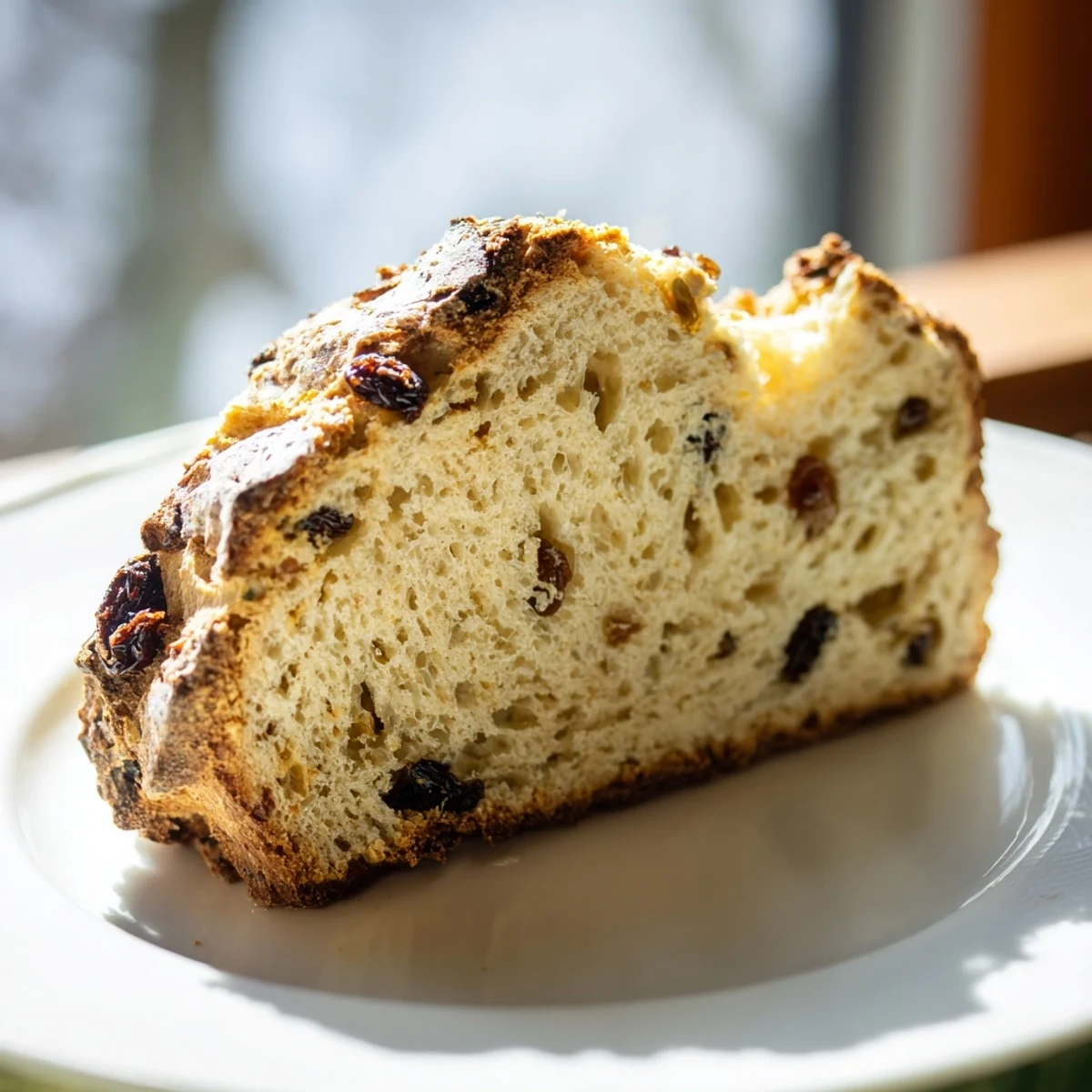
 There's comfort in knowing that some of the best recipes in the world are also the simplest. This bread has been feeding families for generations, and now it's part of your kitchen story too.
Questions & Answers
- → What role do caraway seeds play in the bread?
-
Caraway seeds add a warm, slightly sweet and earthy aroma that complements the sweetness of currants, enhancing the overall flavor profile.
- → Can I substitute the currants with other dried fruits?
-
Yes, dried raisins or cranberries work well, offering a similar sweetness and texture to the loaf.
- → How do I know when the loaf is fully baked?
-
The bread should have a golden crust and sound hollow when tapped on the bottom. An inserted skewer should come out clean.
- → Is kneading important for this bread?
-
Minimal kneading is used just to bring the dough together; overkneading can make the bread tough, so gentle handling maintains tenderness.
- → What is the best way to store leftover bread?
-
Leftover loaf can be toasted to refresh its texture and flavor. Keep it wrapped at room temperature for up to two days to preserve freshness.
- → Can whole wheat flour be used?
-
Yes, substituting half of the all-purpose flour with whole wheat adds a richer flavor and denser texture.