
 Pin This
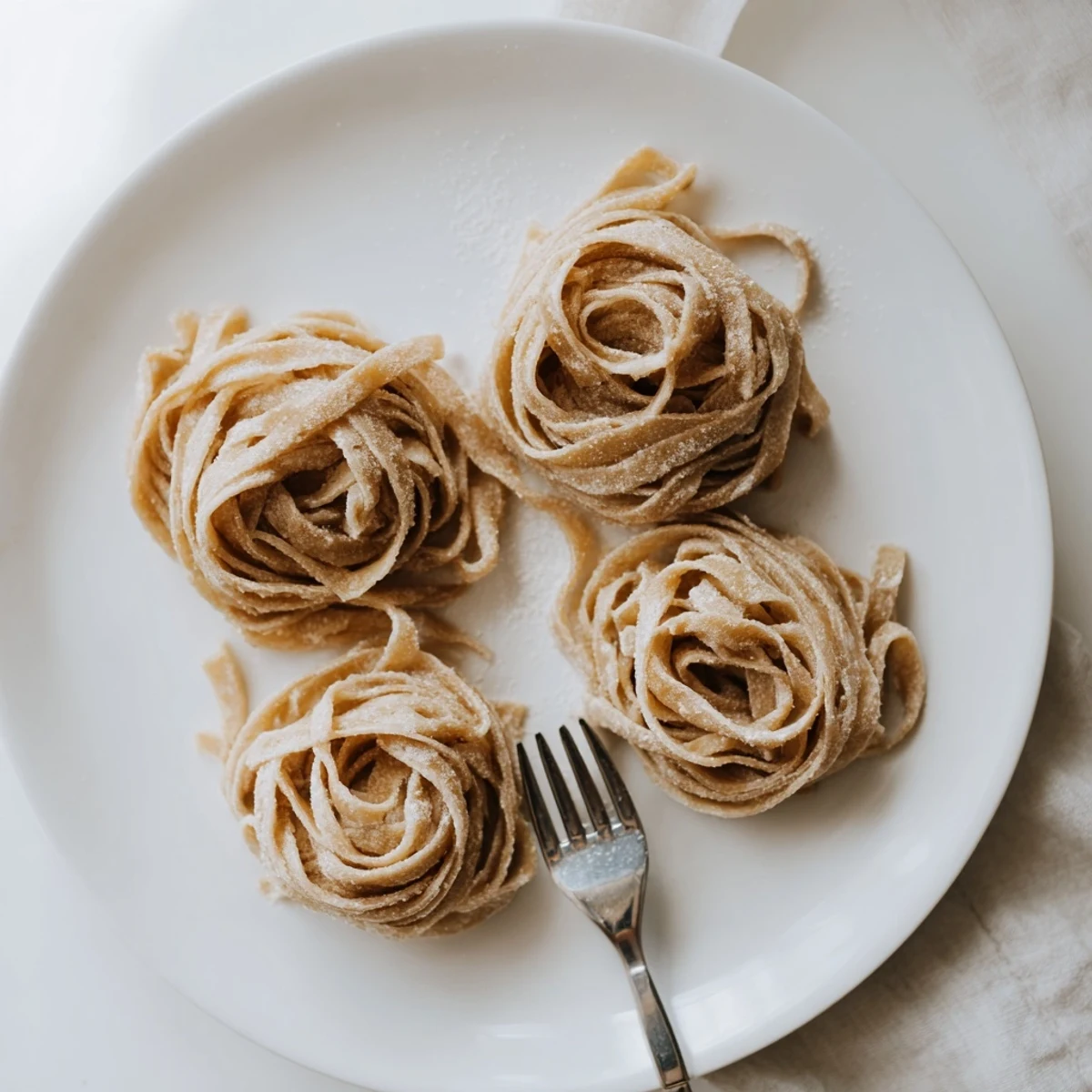
 Craft authentic Italian-style pasta at home using active sourdough starter instead of traditional flour-only dough. The fermented starter adds subtle tanginess, improves texture, and creates pasta that pairs beautifully with everything from simple tomato sauces to rich browned butter and sage. After mixing flour, eggs, and bubbly starter, knead until smooth then rest for one hour to develop gluten. Roll thin, cut into your preferred shape, and cook briefly in salted boiling water for perfectly al dente strands or sheets.
The first time I made sourdough pasta, I was actually just trying to use up some extra starter I'd fed but didn't need for bread. My kitchen smelled like fermented wheat and possibility, and I ended up with the most tender, slightly chewy noodles I'd ever tasted. Now I keep a small portion of starter specifically reserved for pasta nights, and my family asks for it by name every Tuesday.
Last winter, during a particularly gloomy week, I made batch after batch of this pasta and invited friends over for impromptu dinner parties. Something about the hands-on process of rolling dough together, flour dusting our sleeves and laughter filling the room, turned ordinary Tuesdays into celebrations. We ate pappardelle with brown butter until midnight, and I still get texts about those nights.
Ingredients
- All-purpose flour: Bread flour works too, but all-purpose gives a more delicate texture that pairs beautifully with the starter's flavor
- Active sourdough starter: Use your starter at peak activity, about 6-8 hours after feeding, when it's bubbling and doubled in size
- Large eggs: Room temperature eggs incorporate more easily into the dough and create a silkier texture
- Fine sea salt: Enhances the natural wheat flavor without making the pasta taste salty
- Olive oil: Even though it's optional, I always add it because it makes the dough more supple and easier to work with
Instructions
- Mix the foundation:
- Mound your flour on a clean work surface or bowl, create a deep well in the center like a little crater, and pour in the starter, eggs, and olive oil. Use your fork to gradually pull flour from the walls into the wet ingredients, working slowly until a shagdy, rough dough comes together.
- Knead until transformation:
- Turn the dough onto a lightly floured surface and knead firmly for 8-10 minutes, pushing forward with the heel of your hand and folding back over itself. The dough will transform from sticky and rough to smooth, satiny, and slightly elastic, bouncing back when you press it.
- Let it rest:
- Wrap the dough tightly in plastic wrap and let it relax at room temperature for an hour. This rest period is crucial because it allows the gluten strands to relax, making the dough much easier to roll out without springing back.
- Roll and cut:
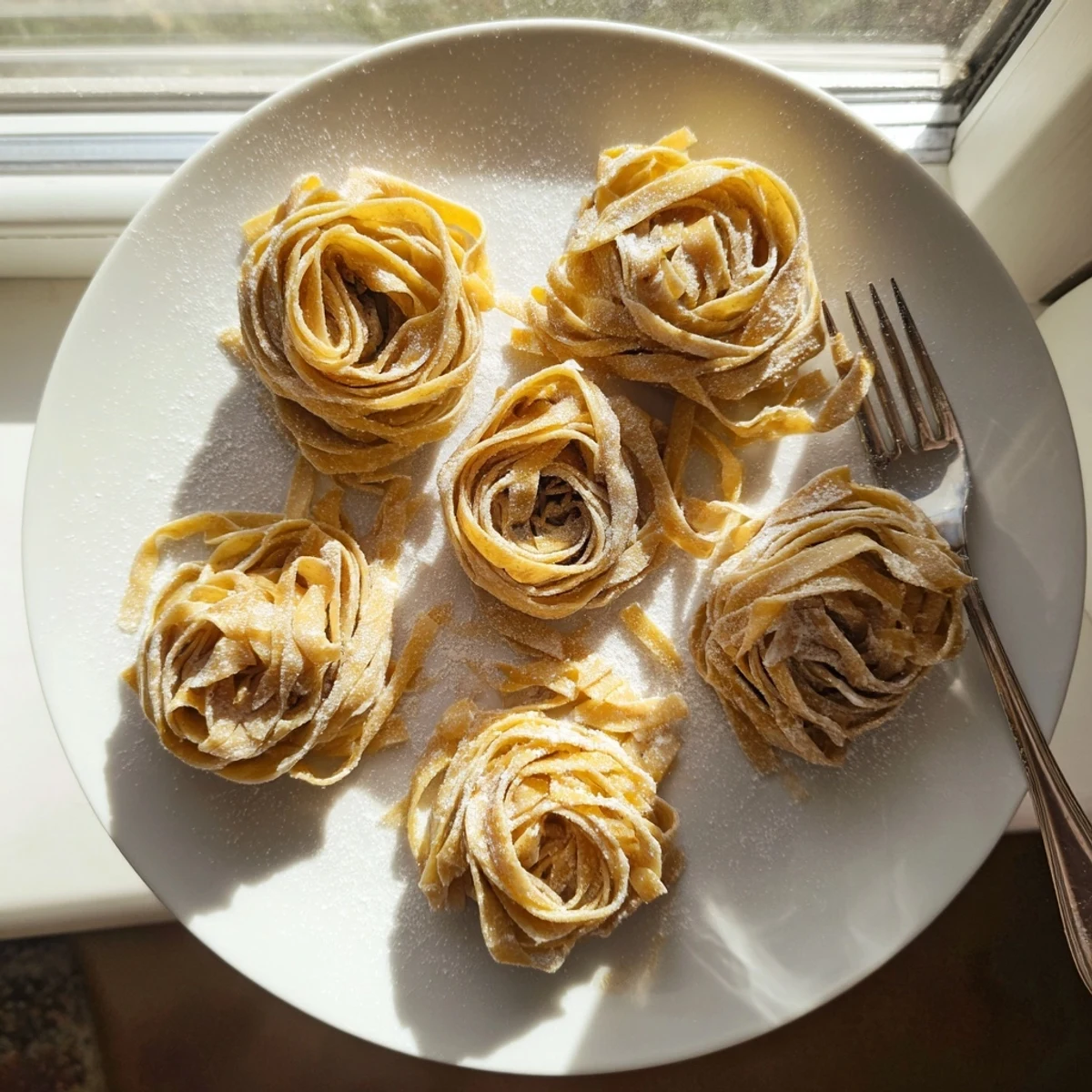
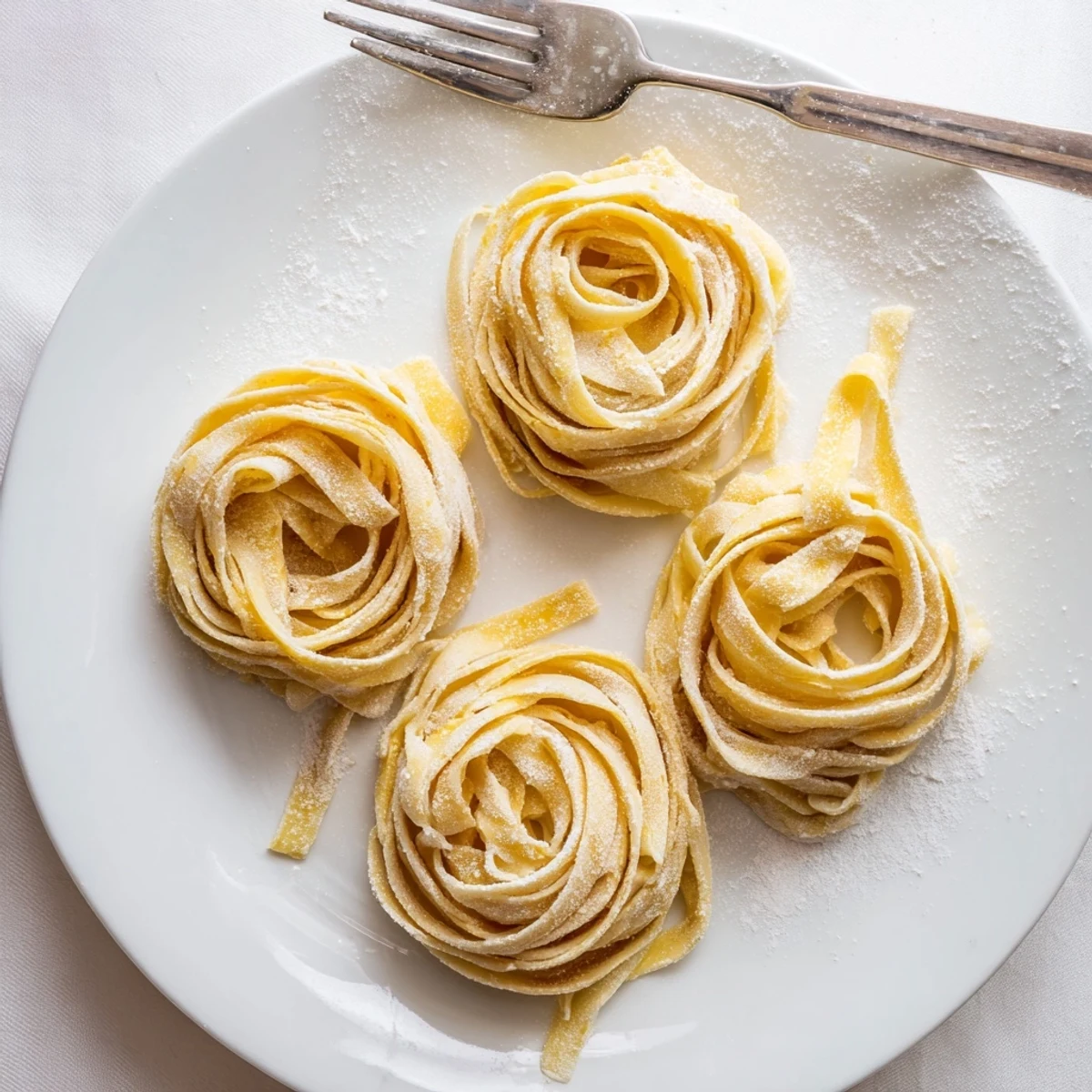
- Cut the dough into two portions, keeping one covered while you work. Roll through a pasta machine, thinning each setting until you reach your desired thickness, then cut into fettuccine, tagliatelle, or sheets for filled pasta. Dust with flour and hang or lay flat until ready to cook.
- Cook to perfection:
- Bring a large pot of generously salted water to a rolling boil and cook the fresh pasta for just 2-3 minutes. You'll know it's done when the noodles float to the surface and taste tender with a slight bite to the center.
 Pin This
 My daughter now asks to help every time I make this, standing on her stool and flour-dusting the counter with gleeful abandon. Her little hands working the dough alongside mine has become one of my favorite kitchen memories, and she's already better at cutting uniform noodles than I am.
Making Ahead
You can mix and knead the dough up to 24 hours before rolling, then wrap it tightly and refrigerate. Bring it to room temperature for about 30 minutes before rolling, or you'll find the cold dough resists your efforts and tears more easily.
Flavor Variations
I've experimented with adding finely chopped fresh herbs, lemon zest, or even spinach purée to the dough. The key is to add any extra ingredients along with the wet mixture so they distribute evenly throughout the dough without disrupting the gluten structure.
Storage and Freezing
Uncooked sourdough pasta freezes beautifully and tastes almost as good as fresh. Lay your cut noodles in a single layer on a baking sheet until frozen solid, then transfer to freezer bags for up to three months. Cook frozen pasta directly in boiling water, adding about one minute to the cooking time.
- Dust cut pasta generously with semolina flour for freezing because regular flour can make noodles stick together
- Label your freezer bags with the date and shape because thawed pasta can't be re-rolled or re-cut
- Cook frozen pasta in batches if you're making a large quantity, so the water temperature doesn't drop too much
 Pin This
 There's something deeply satisfying about turning simple ingredients into something so extraordinary, especially when you've nurtured that sourdough starter for weeks or months. Every batch feels like a small victory in the kitchen.
Questions & Answers
- → What does sourdough add to pasta?
-
Active sourdough starter introduces beneficial fermentation, creating subtle tangy notes and improving texture. The result is more flavorful and slightly chewier than traditional pasta.
- → How long should the dough rest?
-
Let the wrapped dough rest at room temperature for one full hour. This relaxation period allows gluten networks to develop, making rolling easier and preventing snap-back.
- → Can I make this ahead?
-
Absolutely. Prepare the dough up to 24 hours in advance, wrap tightly, and refrigerate. Bring to room temperature before rolling and cutting.
- → What starter hydration works best?
-
Use 100% hydration starter (equal parts flour and water by weight) for consistent results. The starter should be active, bubbly, and recently fed.
- → Which sauce pairs best?
-
The tangy flavor complements tomato-based sauces beautifully, while the texture stands up to rich cream sauces. Browned butter with fresh sage highlights the rustic character.
- → Why add olive oil?
-
One tablespoon of olive oil adds suppleness, making the dough more elastic and easier to roll thinly. It's optional but recommended for beginners.