
 Pin This
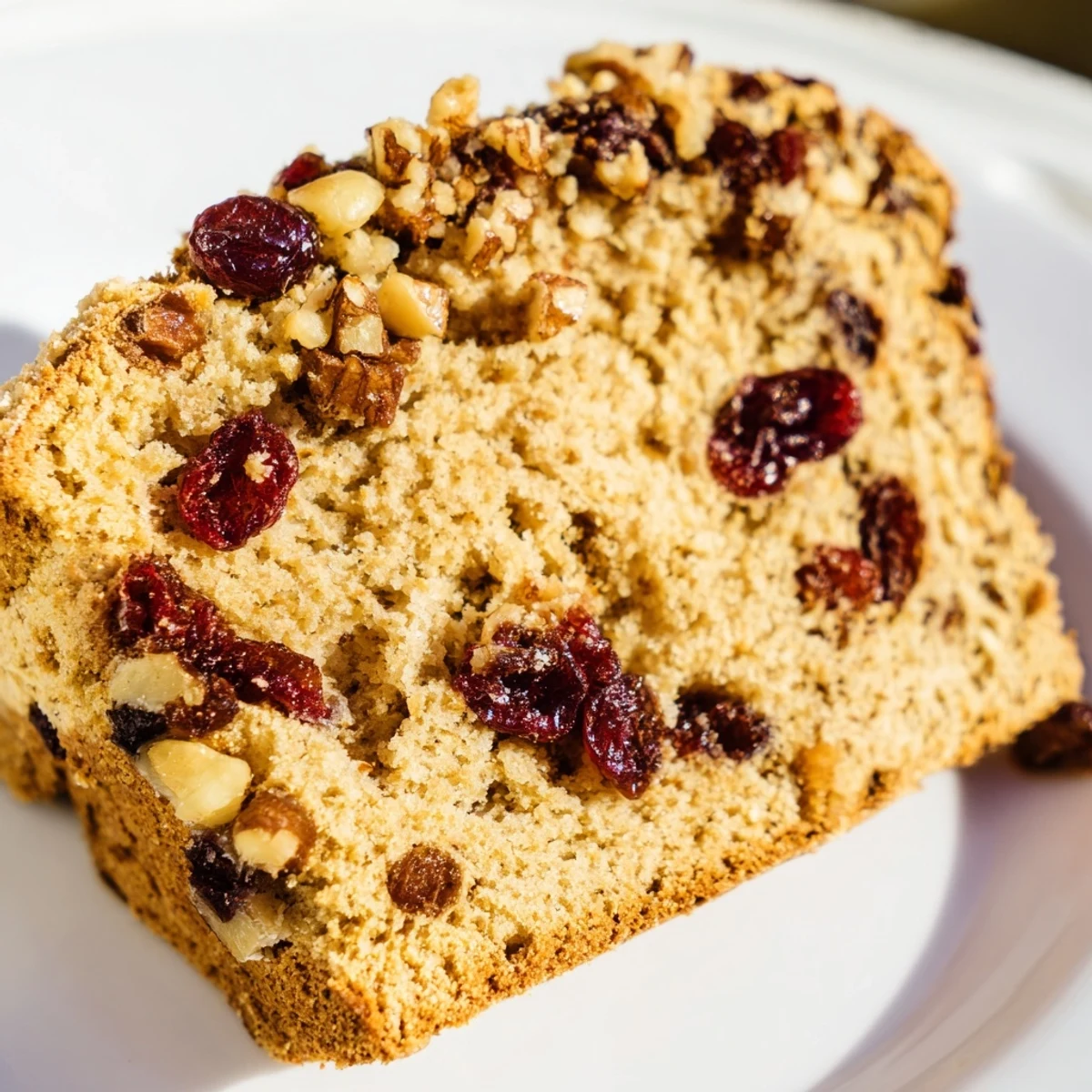
 This rustic Irish loaf blends dried cranberries and chopped walnuts within a tender, lightly sweetened dough. The soda bread uses baking soda as a leavening agent, delivering a soft crumb with a golden crust. Its subtle sweetness balances the tart fruit and nutty crunch, making it ideal warm with butter or alongside soups and salads. Preparation is straightforward, relying on simple ingredients and quick mixing. Baking develops rich flavors and a comforting aroma, perfect for cozy meals or gatherings.
There's something about the smell of soda bread baking that takes me straight back to a small cottage kitchen in County Cork, where my friend's grandmother pulled a golden loaf from her oven without checking a timer—she just knew. Years later, I finally understood that quiet confidence came from making the same bread dozens of times, each loaf a little different depending on the weather and the buttermilk. This cranberry and walnut version is my love letter to that memory, with tart berries and toasted nuts adding texture to the tender crumb.
I baked this for a soup night last November when my neighbors brought over a massive pot of butternut squash soup, and suddenly I needed bread fast. The dough came together while the oven preheated, and twenty minutes later the whole kitchen smelled like autumn and possibility—that's when I knew this recipe belonged in my regular rotation.
Ingredients
- All-purpose flour (3 cups): The backbone of soda bread; it creates structure without needing development time like yeast breads.
- Whole wheat flour (1/2 cup): Adds earthiness and a subtle nuttiness that deepens the flavor beyond plain white flour.
- Granulated sugar (1/4 cup): Just enough sweetness to balance the tartness of cranberries and complement the walnuts without making it dessert.
- Baking soda (1 1/2 teaspoons): This is your leavening agent; it reacts instantly with acidic buttermilk, so mixing and baking quickly matters.
- Fine sea salt (1 teaspoon): Enhances all the flavors and controls the baking soda reaction.
- Dried cranberries (3/4 cup): Toss them in the dry flour so they don't clump together; the tartness cuts through the buttery crumb beautifully.
- Chopped walnuts (3/4 cup): Toast them lightly before adding if you want extra depth, though raw works perfectly fine.
- Buttermilk (1 3/4 cups, plus brushing): The acid is essential for the reaction with baking soda; there's no good substitute, so don't skip it.
- Unsalted butter (2 tablespoons, melted): Adds richness and tender crumb; melting it first means it blends evenly throughout the dough.
- Large egg (1): Binds everything together and gives the crust that gorgeous golden color.
Instructions
- Get Your Oven Ready:
- Preheat to 400°F (200°C) and line your baking sheet with parchment paper while you work. A hot oven is non-negotiable for that quick rise and golden crust.
- Mix the Dry Goods:
- Whisk together the all-purpose flour, whole wheat flour, sugar, baking soda, and salt in a large bowl until evenly combined. This prevents lumpy pockets of baking soda in your finished loaf.
- Toss In the Fruit and Nuts:
- Stir the cranberries and walnuts into the dry mixture, making sure they're separated and lightly coated with flour. This coating prevents them from sinking to the bottom during baking.
- Combine the Wet Mixture:
- In a separate bowl, whisk together the buttermilk, melted butter, and egg until well combined. There's no need to overbeat; just make sure everything is incorporated.
- Bring It Together:
- Pour the wet ingredients into the dry ingredients and mix gently with a wooden spoon or your hands until a shaggy, rough dough forms—this takes maybe thirty seconds. Overmixing toughens the crumb, so stop as soon you don't see dry flour.
- Shape the Loaf:
- Turn the dough onto a lightly floured surface and shape it into a round loaf about 7 inches across, handling it as little as possible. The rough texture is intentional and beautiful.
- Make the Signature X:
- Place the loaf on your parchment-lined sheet and use a sharp knife to cut a deep X across the top—this helps heat penetrate evenly and is the traditional mark of Irish soda bread. Don't be timid; go about 1/4 inch deep.
- Brush and Bake:
- Brush the top with a little extra buttermilk for a soft, tender crust, then slide it into the hot oven. Bake for 35–40 minutes until the loaf is golden brown and a skewer inserted into the center comes out clean.
- Cool Down:
- Transfer to a wire rack and let it rest for at least 30 minutes before slicing—this lets the interior set properly and makes cutting cleaner. I know it's tempting, but those first warm minutes go faster than you think.
 Pin This
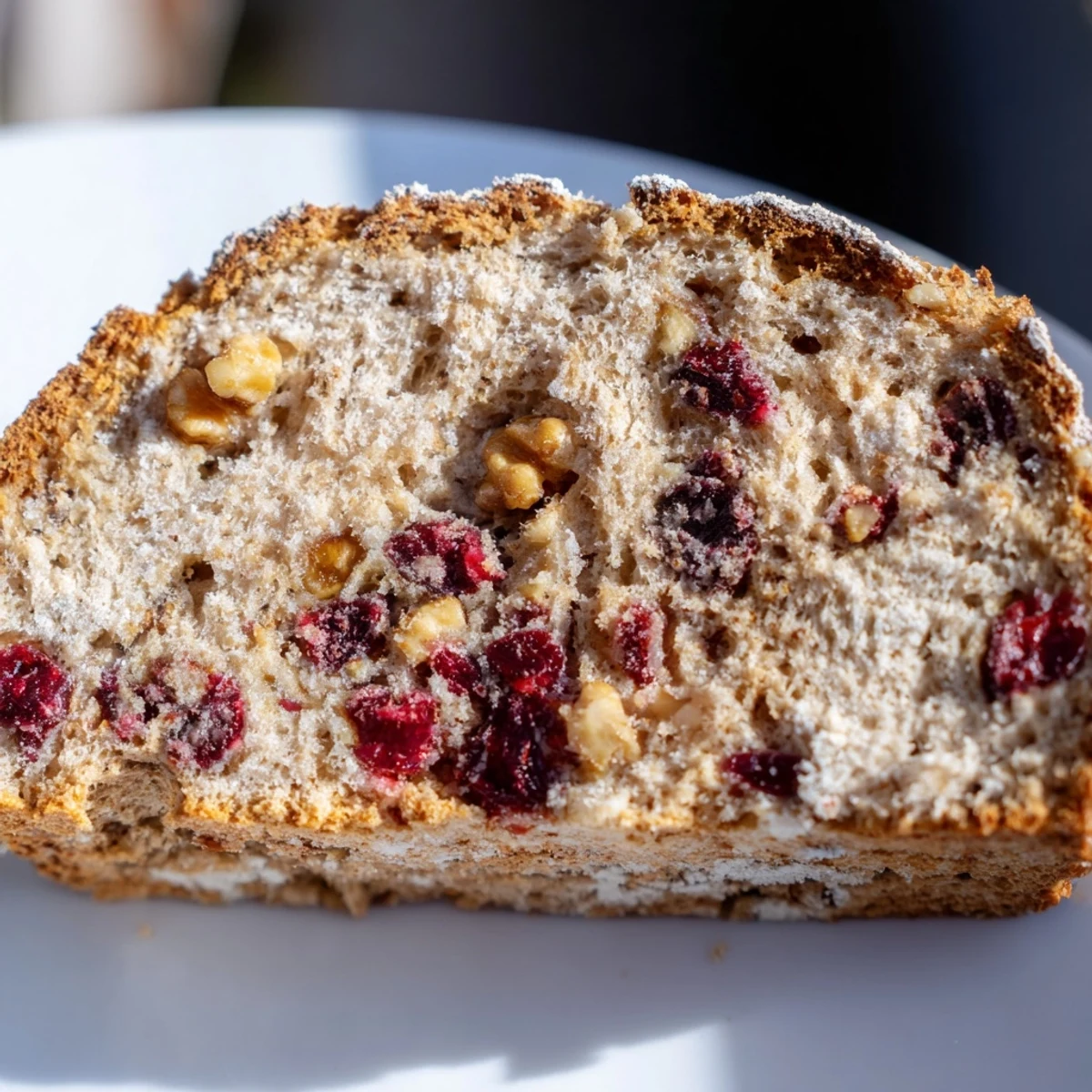
 One afternoon, a friend bit into a warm slice and said, "This doesn't taste Irish, it tastes like home," even though she'd never been to Ireland. That's when I realized this bread is less about geography and more about that feeling of comfort—tangy and sweet, crunchy and soft all at once.
Why This Bread Works Every Time
Soda bread is forgiving in a way yeast breads never are because there's no waiting, no proofing, no guessing whether the dough rose enough. The chemical reaction between buttermilk and baking soda happens fast and reliable, turning a bowl of ingredients into a finished loaf in less time than it takes to watch a show. That reliability is exactly why people have been making soda bread for generations with the same handful of ingredients.
Flavor Layers That Feel Intentional
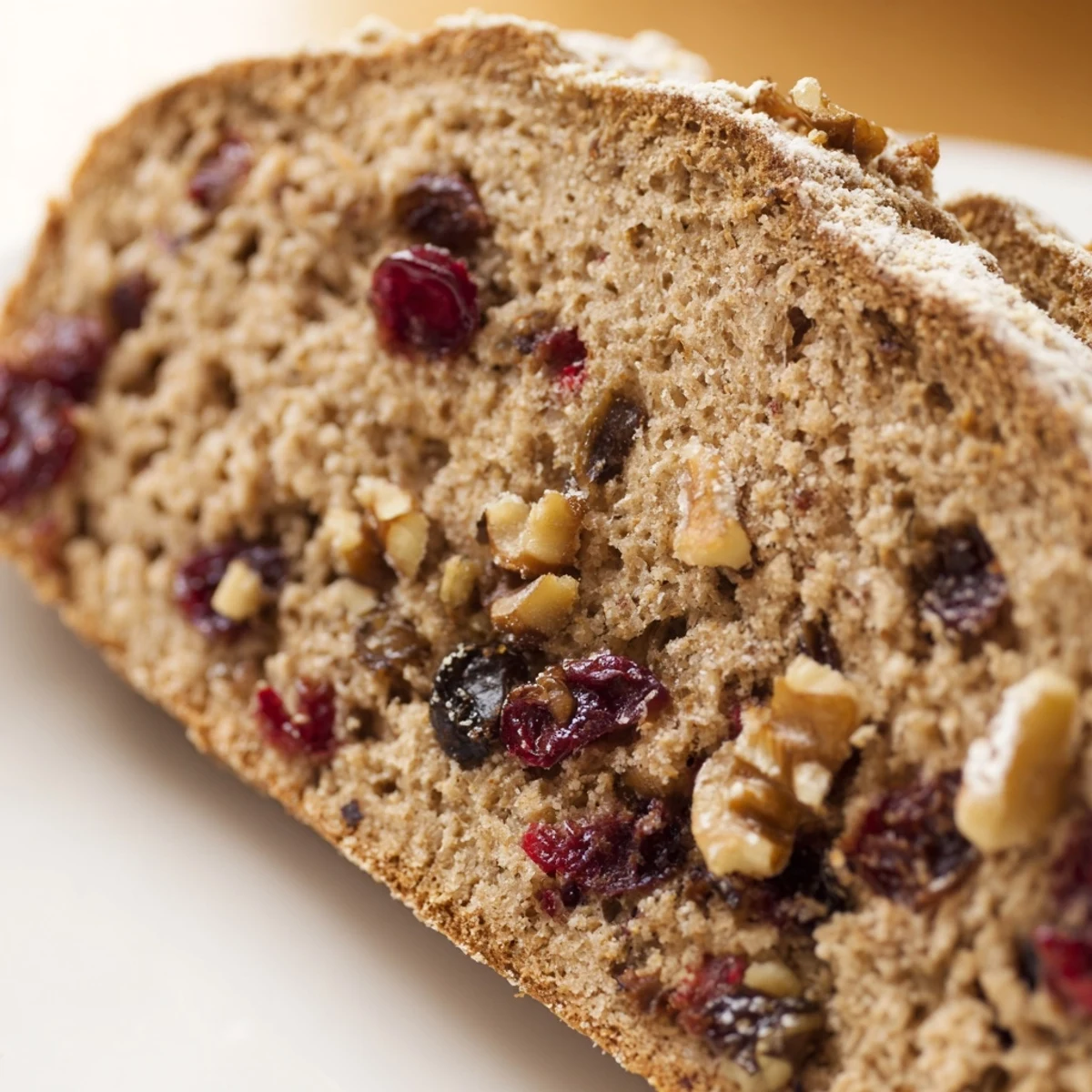
The tart cranberries and earthy walnuts aren't just toppings—they're what transform plain soda bread into something that tastes like someone spent hours developing it. The whole wheat flour adds a subtle depth that all-purpose alone can't deliver, and the sugar is just enough to round out the tartness without making anyone mistake this for cake. Every element pulls its weight.
Serving and Storing This Bread
Warm slices with salted butter is the only way to eat this on the day it's baked—it won't get better than that moment. The second day, toast thick slices for breakfast or crumble stale pieces into breadcrumbs for coating fish.
- Store leftovers in a paper bag at room temperature for up to two days; plastic makes the crust soggy.
- Freeze whole loaves wrapped tightly in plastic for up to three months, and thaw at room temperature before serving.
- Day-old bread is actually perfect for soup dunking and doesn't fall apart like fresh would.
 Pin This
 This bread has taught me that the best recipes are the ones that feel both simple and special, like you're sharing a secret that's been around longer than you have. Bake this once and it becomes yours.
Questions & Answers
- → What gives this bread its rise without yeast?
-
Baking soda acts as the leavening agent, reacting with buttermilk to release carbon dioxide that causes the dough to rise quickly.
- → Can I substitute walnuts with other nuts?
-
Yes, pecans or hazelnuts can be used as alternatives to walnuts, providing different flavor nuances and textures.
- → How should the loaf be stored after baking?
-
Once cooled, wrap tightly and keep at room temperature for up to two days or freeze slices for longer storage.
- → What is the purpose of scoring the dough with an X?
-
Cutting an X on top allows the bread to expand evenly during baking and helps steam escape, resulting in a better crust.
- → Can I add extra flavorings to this loaf?
-
Yes, adding ingredients like grated orange zest enhances the flavor with a bright citrus note complementing the cranberries.