
 Pin This
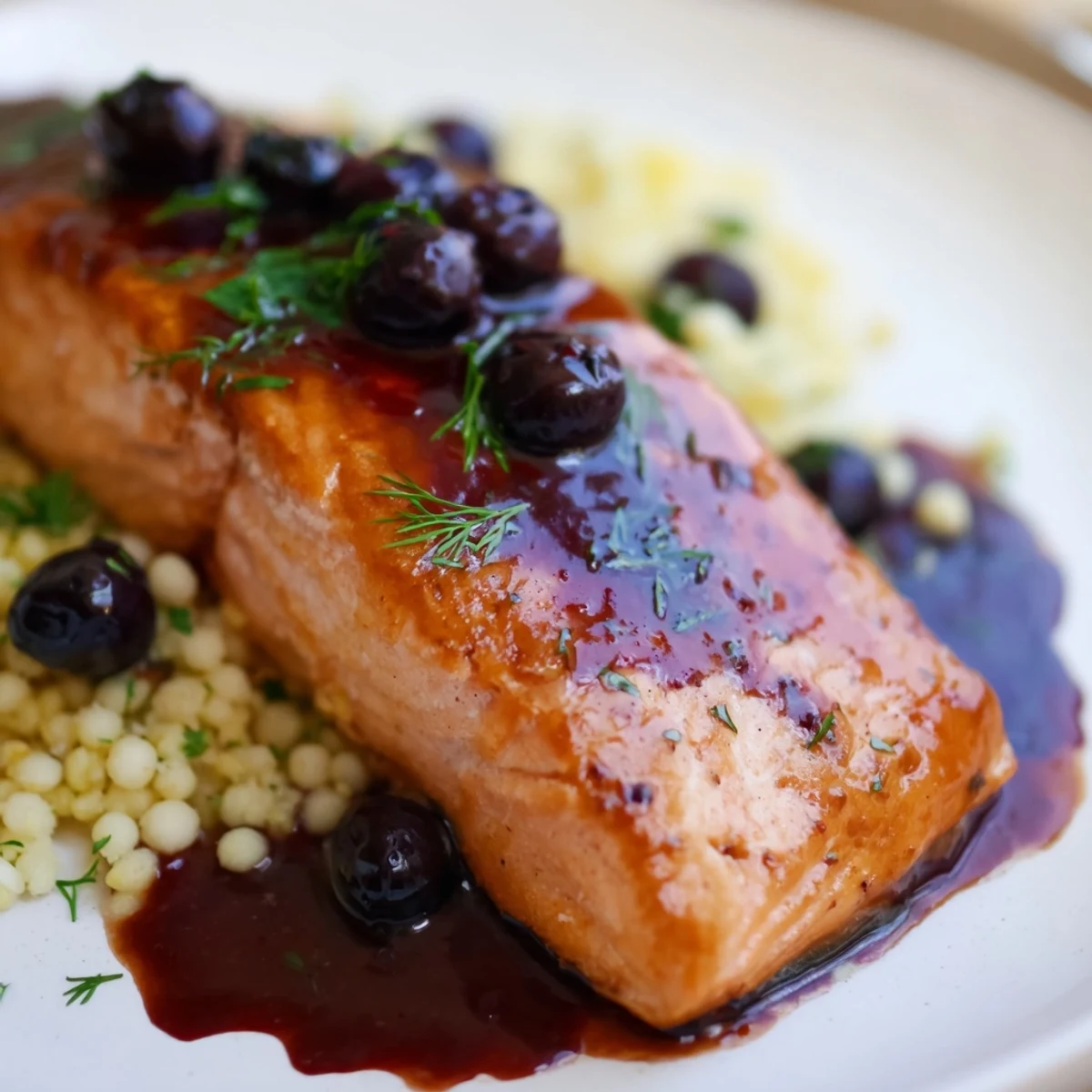
 This dish features moist salmon fillets coated in a tangy blueberry glaze made with fresh blueberries, balsamic vinegar, honey, and lemon juice. The salmon is seared then baked to perfection, ensuring a rich flavor and flaky texture. It’s served atop light, fluffy couscous infused with fresh lemon zest, herbs like parsley and dill, and a touch of olive oil to enhance brightness. This elegant, healthy combination balances sweet, tart, and savory notes for a satisfying pescatarian meal that’s ideal for both weeknights and entertaining guests.
The first time I made blueberry glaze, my husband looked at me like I had lost my mind. But then that purple sauce hit the hot salmon and transformed into something glossy and irresistible, and suddenly we were both dipping forks straight into the pan.
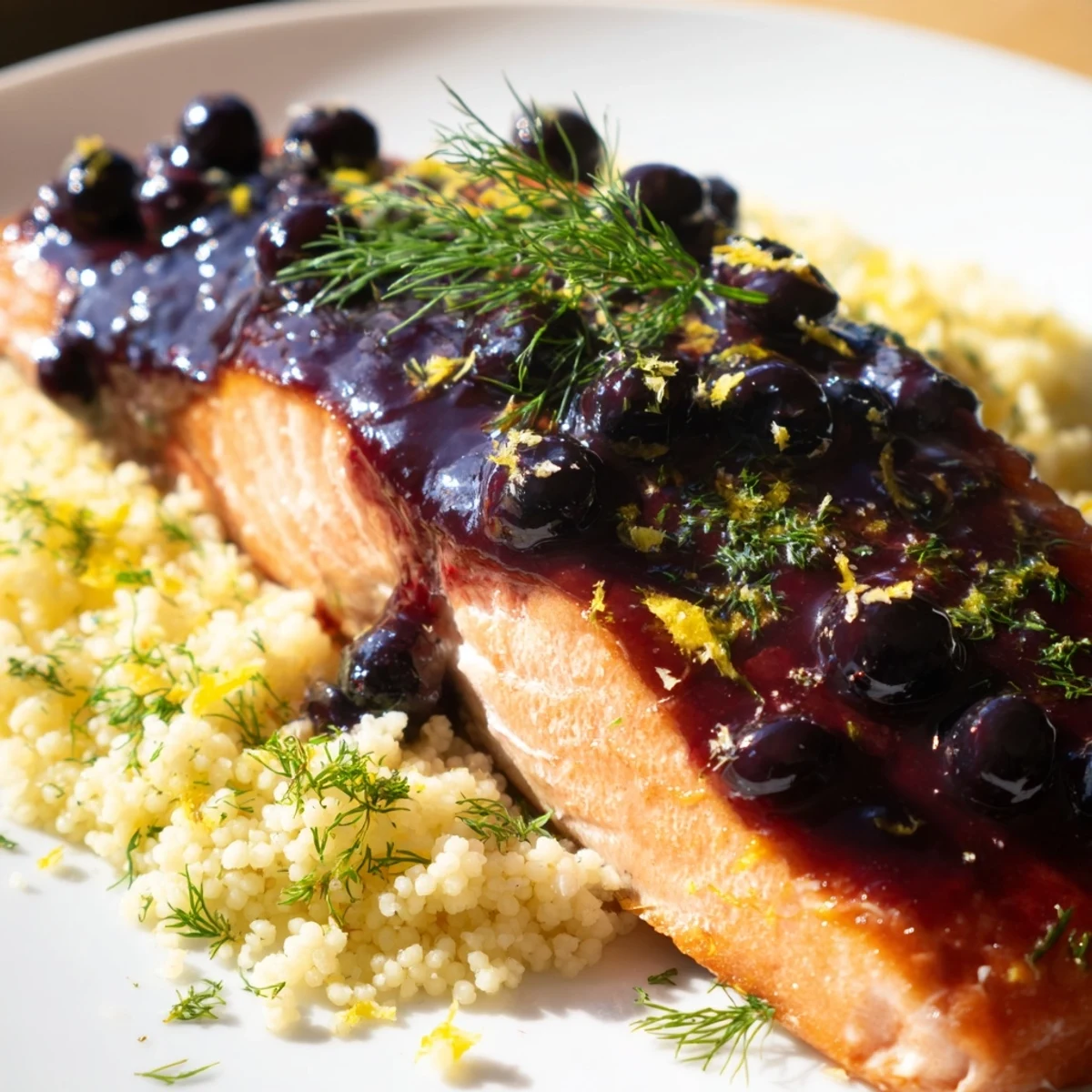
I served this at our anniversary dinner last year, mostly because it sounded impressive but also because I forgot to buy dessert. Nobody noticed the missing sweet course when this hit the table, all purple stained and gorgeous against the bright green herbs.
Ingredients
- Fresh or frozen blueberries: Frozen work perfectly here and release more juice as they break down
- Balsamic vinegar: Adds the deep complex backbone that keeps the glaze from being too sweet
- Honey: Helps the sauce cling to the salmon and balances the berries natural tartness
- Salmon fillets: Skin removed gives you that clean restaurant look but keep the skin on if you prefer crispy edges
- Couscous: The ultimate quick cooking starch that absorbs all the lemon and herb flavors
- Lemon zest and juice: Brightens everything and cuts through the rich glaze
- Fresh parsley and dill: Dill is optional but it really plays beautifully with both salmon and blueberries
Instructions
- Make the magic purple sauce:
- Combine blueberries, balsamic vinegar, honey, lemon juice, Dijon mustard, salt and pepper in a small saucepan. Let it simmer over medium heat, stirring now and then, until those berries burst and everything thickens into a glossy glaze, about 8 to 10 minutes. Give the berries a gentle mash with your spoon and strain it if you want it perfectly smooth, but I love the little bits of fruit left behind.
- Get your salmon ready:
- Preheat your oven to 400°F and pat those salmon fillets completely dry with paper towels. Season both sides generously with salt and pepper, then heat olive oil in an oven safe skillet over medium high heat until it shimmers.
- Sear like you mean it:
- Place salmon flesh side down in that hot pan and let it sizzle undisturbed for 2 to 3 minutes until golden and crisp. Flip each fillet carefully, brush that beautiful blueberry glaze all over the top, then slide the whole skillet right into the hot oven.
- Finish in the oven:
- Bake for 8 to 10 minutes until the salmon flakes when you press it gently with a fork. The glaze will bubble and caramelize in spots, turning into something jammy and intense.
- Cook the couscous while salmon bakes:
- Bring vegetable broth and olive oil to a boil in a medium saucepan, then stir in the couscous. Cover it up, take it off the heat, and let it sit for 5 minutes while you check on the salmon.
- Fluff and flavor:
- Use a fork to fluff up the couscous, then stir in lemon zest, lemon juice, parsley, dill if you are using it, and salt and pepper. The couscous should smell bright and herby, ready to soak up whatever glaze escapes from the salmon.
- Plate it beautifully:
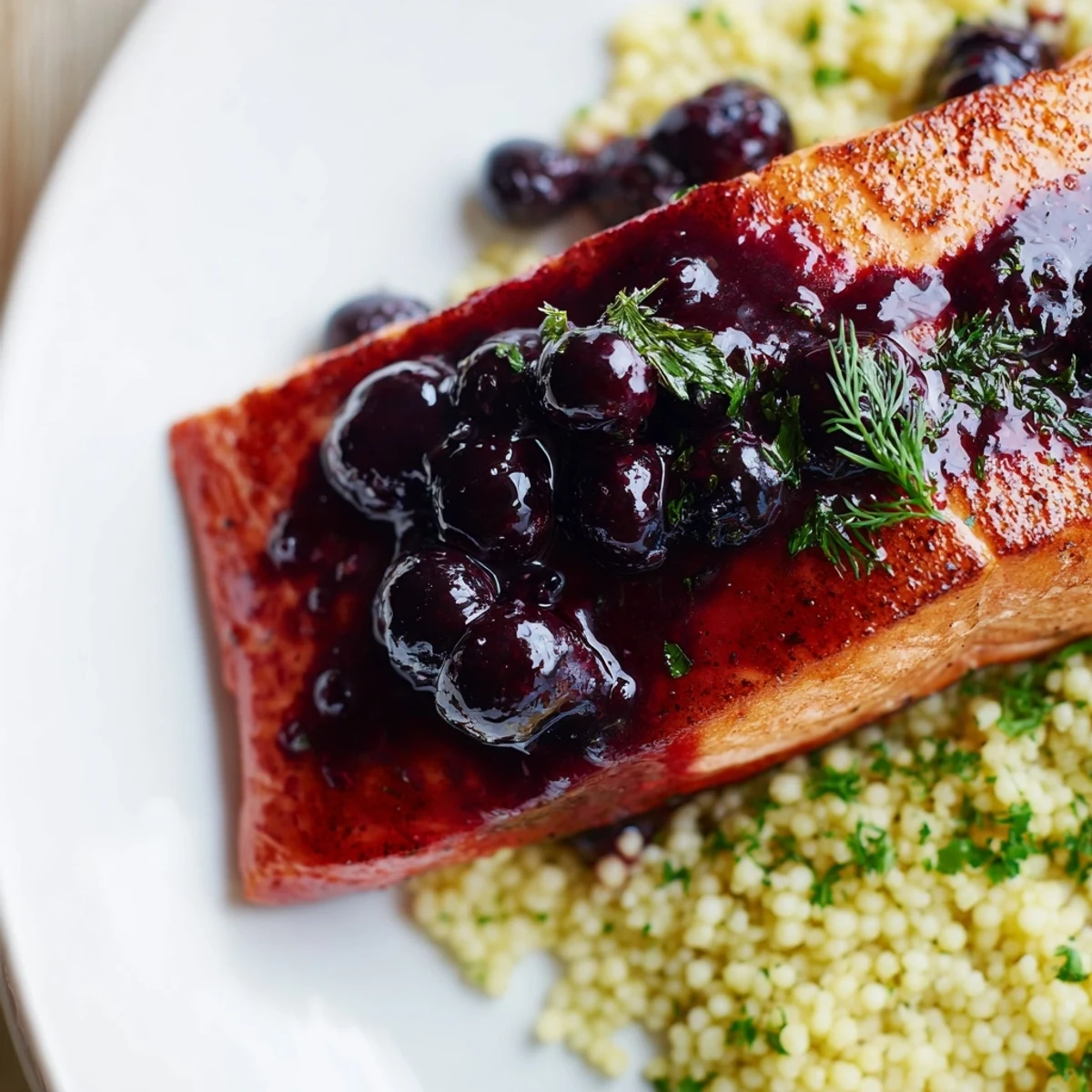
- Pile lemon herb couscous onto each plate and top with a glazed salmon fillet. Spoon any remaining blueberry glaze over the fish and scatter extra herbs on top for that finished look.
 Pin This
 My sister, who claims she hates fish in any form, actually asked for the recipe after trying this at my house. She texted me the next week saying her husband requested it again, which might be the highest compliment a recipe can receive.
Making It Ahead
The blueberry glaze keeps beautifully in the fridge for up to five days, so I often double it and use the extra on grilled chicken later in the week. Couscous is best made fresh though, since it dries out when reheated and loses that fluffy texture that makes it special.
Choosing The Right Salmon
I have learned the hard way that thick center cut fillets work best here, keeping their moisture better than thin tail pieces. Look for pieces that are evenly thick so they finish cooking at the same time, and do not be afraid to ask the fish counter to portion them for you.
Wine Pairing Magic
A crisp Sauvignon Blanc cuts through the sweet glaze while echoing the lemon in the couscous, creating those perfect matching flavor notes that make a dinner feel special. If you prefer red, a light Pinot Noir can work without overpowering the delicate fish.
- Chill your wine glasses for at least 20 minutes before serving
- Pour a small taste first to let the wine open up before the main pour
- Remember that slightly acidic wines balance sweet glazes beautifully
 Pin This
 This is the recipe that proved fruit and fish belong together, and I hope it becomes one of those surprising keepers in your kitchen too.
Questions & Answers
- → How do I make a smooth blueberry glaze?
-
Simmer blueberries with balsamic vinegar, honey, lemon juice, Dijon mustard, salt, and pepper until bursting and thickened. For extra smoothness, strain the glaze after cooking.
- → What’s the best way to cook the salmon for optimal texture?
-
Sear the salmon fillets skinless in olive oil until golden on one side, then brush with glaze and finish baking in the oven until just flaky.
- → Can I substitute couscous with other grains?
-
Yes, quinoa or brown rice can be used as alternatives to couscous, especially for gluten-free options.
- → How to add more herbs to the couscous?
-
Mix in freshly chopped parsley and optional dill after fluffing the couscous with lemon zest and juice for a fresh herbal flavor.
- → What wine pairs well with this dish?
-
A crisp Sauvignon Blanc or a dry Riesling complements the fruity glaze and lemony couscous beautifully.