
 Pin This
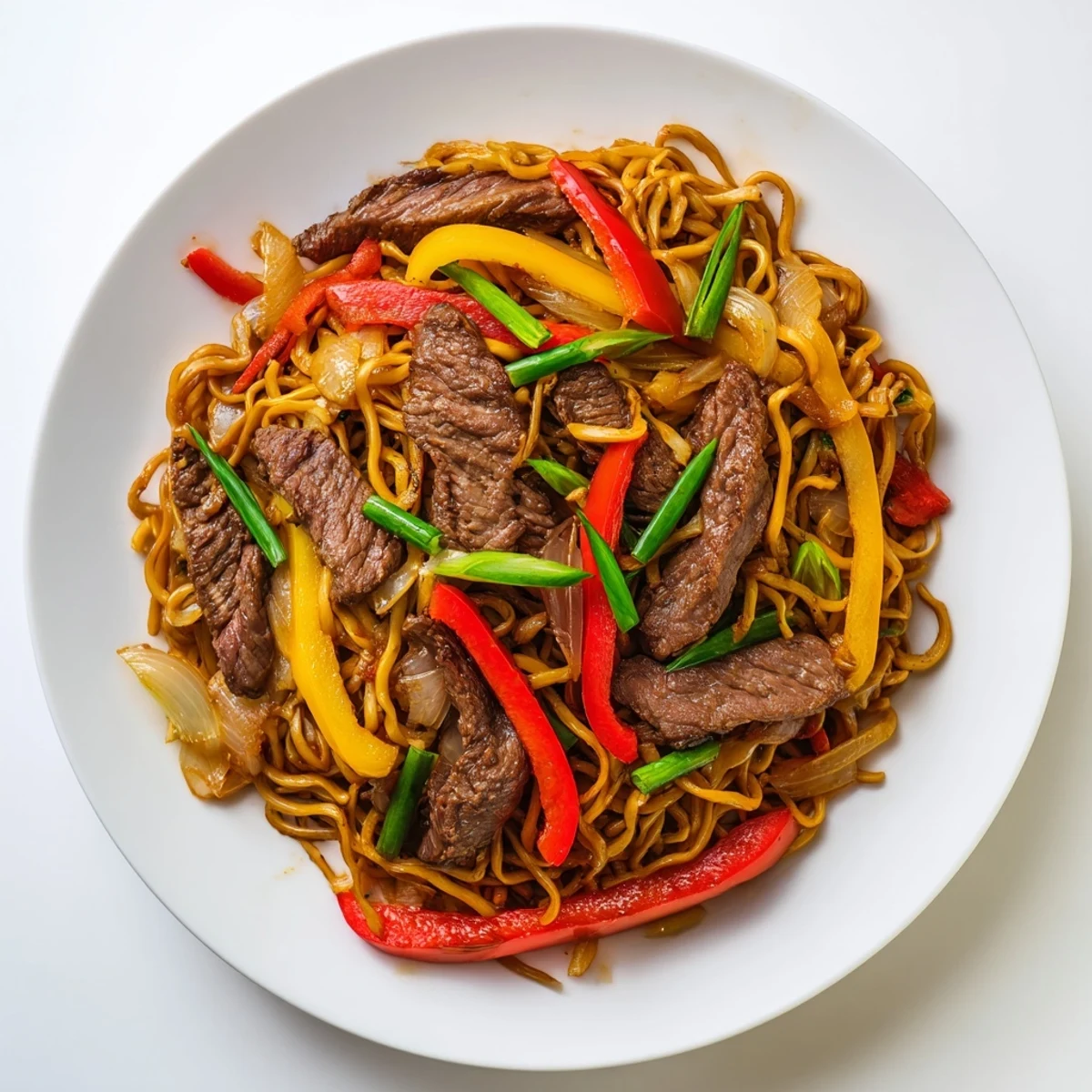
 This vibrant noodle dish brings together thinly sliced beef sirloin, colorful bell peppers, and sweet onions in a wok-tossed melody. The homemade sauce blends soy, oyster, and hoisin for that authentic Chinese takeout flavor you love. Ready in just 35 minutes, this stir-fry delivers tender meat, crisp-tender vegetables, and perfectly coated noodles in every bite. Perfect for busy weeknights when you want something delicious without the fuss.
The sizzle of beef hitting a screaming hot wok is one of those sounds that makes everyone in the house wander into the kitchen to see what is happening. My wok was a garage sale find, scratched and slightly dented, but it has never let me down when it comes to stir frying. Chow mein was one of those dishes I ordered countless times from takeout menus before realizing how much better it tastes when you control the heat and the sauce yourself. This version with peppers and onions has become a weeknight anchor in my house, the kind of meal that comes together faster than delivery could ever arrive.
One Tuesday evening my neighbor knocked on the door to return a borrowed ladder just as I was tossing the noodles in the wok. The smell drifting through the hallway made her forget all about the ladder and ask what I was cooking. I ended up pulling out an extra plate and we ate standing around the kitchen island, chopsticks flying, while the ladder leaned forgotten against the wall.
Ingredients
- 350 g beef sirloin: Slice it thinly against the grain while it is still slightly firm from the fridge for the most tender bites.
- 2 bell peppers (red and yellow): The two colors are not just for looks, they each bring a slightly different sweetness to the dish.
- 1 large onion: A thin slice cooks faster and gets those beautiful soft, sweet edges in the wok.
- 2 spring onions: Save these for the end so they stay bright and fresh as a garnish.
- 2 cloves garlic: Mince it fine so it disperses evenly and does not clump in any single bite.
- 1 thumb sized piece ginger: Julienned ginger gives little pops of warmth throughout without overpowering the sauce.
- 300 g chow mein noodles: Egg noodles work great too, just follow the package and do not overcook them.
- 3 tbsp soy sauce: This is the backbone salt of the entire sauce, so use a decent brand you enjoy.
- 1 tbsp oyster sauce: It adds a deep, almost caramel like umami that soy sauce alone cannot replicate.
- 1 tbsp hoisin sauce: A touch of sweetness and body that rounds out the sharper edges of the soy.
- 1 tbsp sesame oil: Add it to the sauce rather than the pan so its toasty flavor survives the cooking.
- 1 tsp cornstarch: This is what makes the sauce cling to the noodles instead of pooling at the bottom.
- 1 tbsp water: Just enough to thin the cornstarch so it blends smoothly into the sauce mixture.
- 1/2 tsp black pepper: Freshly cracked makes a real difference here since the pepper is a featured note.
- 1/2 tsp sugar: A small amount that lifts the whole sauce without making anything taste sweet.
- 2 tbsp vegetable oil: Divided between the beef and the vegetables so nothing sticks and everything sears.
Instructions
- Mix the sauce:
- Whisk together the soy sauce, oyster sauce, hoisin, sesame oil, black pepper, sugar, cornstarch, and water in a small bowl until the cornstarch disappears completely. Give it one more stir right before you pour it in later because the starch settles fast.
- Cook the noodles:
- Follow the package directions, drain them, then rinse under cold water to stop the cooking and keep them from turning into a gummy clump. Toss them with a tiny drizzle of oil if they sit for more than a few minutes.
- Sear the beef:
- Heat one tablespoon of vegetable oil in your wok over the highest heat your stove can manage, then add the beef in a single layer and let it sit for 30 seconds before stirring so it actually browns. Pull it out after about two minutes, it will finish cooking later.
- Build the aromatics:
- With the remaining oil in the same wok, toss in the garlic, ginger, and onion, stirring constantly for about a minute until your kitchen smells incredible. Keep everything moving so the garlic colors but never burns.
- Add the peppers:
- Toss in the sliced bell peppers and stir fry for two to three minutes, letting them pick up some char on the edges while staying crisp at the center. You want them to still have a snap when you bite into them.
- Bring it all together:
- Slide the beef back into the wok, add the noodles, pour the sauce over everything, and toss aggressively with tongs or a spatula for two to three minutes. The sauce should thicken and coat every strand and every piece of meat evenly.
- Finish and serve:
- Hit the whole thing with the sliced spring onions, give one final toss, and serve immediately while the wok is still sizzling. This dish waits for no one.
 Pin This
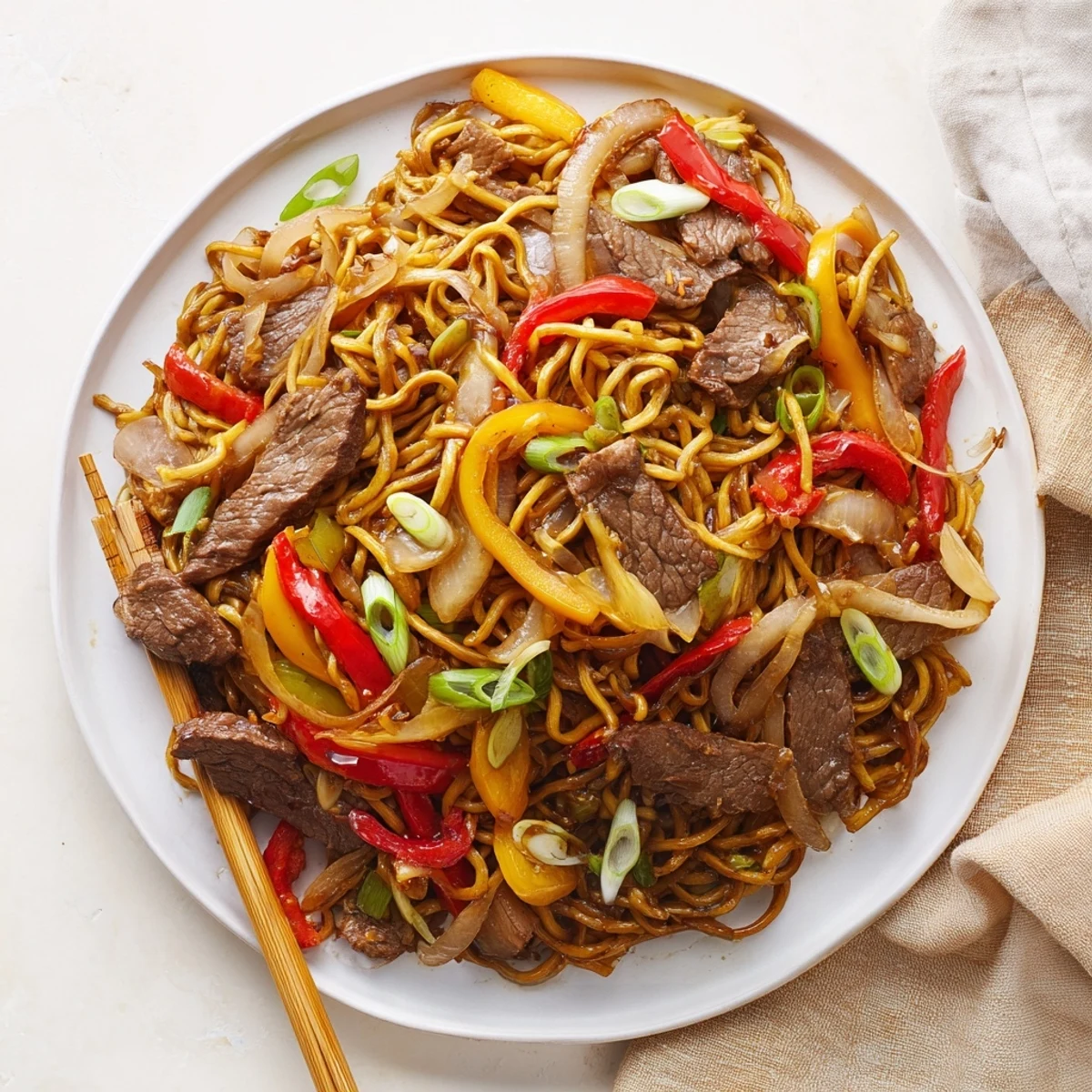
 There is something about a big plate of chow mein that turns an ordinary weeknight dinner into an event. People gather around the wok with plates in hand, no formal table setting required, and the conversation always gets a little louder and looser.
Swaps and Additions
Chicken thighs work beautifully in place of beef, and firm tofu pressed and cubed makes this completely plant based without losing the satisfying chew. Snow peas, julienned carrots, or even a handful of bean sprouts tossed in during the last minute add crunch and color without changing the character of the dish.
What to Serve Alongside
A cold crisp lager cuts through the richness of the sauce perfectly, but jasmine tea is my go to when I want something warm and calming alongside all that bold flavor. A simple cucumber salad with rice vinegar and a pinch of sugar provides a cool, acidic contrast that balances the meal.
Leftovers and Reheating
Chow mein is best the moment it leaves the wok, but leftovers are still worth saving if you handle them right.
- Store the noodles in an airtight container in the fridge for up to three days and reheat them in a hot skillet with a splash of water to loosen the sauce.
- Microwaving works in a pinch but the noodles lose their edge, so a dry pan is always the better choice.
- Never freeze this dish because the peppers turn mushy and the noodles go gummy beyond rescue.
 Pin This
 Once you nail this recipe a few times, it becomes second nature and you will stop measuring entirely, just pouring and tossing by instinct. That is when cooking stops being a task and starts being something you actually look forward to at the end of a long day.
Questions & Answers
- → What cut of beef works best for chow mein?
-
Beef sirloin is ideal for its tenderness and quick cooking. Flank steak or ribeye also work wonderfully. Slice thinly against the grain for the most tender results in your stir-fry.
- → Can I make this dish ahead of time?
-
While best served immediately, you can prep ingredients in advance. Slice vegetables and beef, mix the sauce, and store separately. Cook noodles just before assembling for optimal texture and freshness.
- → What vegetables can I add to beef chow mein?
-
Snow peas, bean sprouts, shredded carrots, baby corn, or bok choy make excellent additions. Adjust cooking times accordingly—add crunchier vegetables earlier and delicate ones later.
- → How do I prevent noodles from sticking together?
-
Rinse cooked noodles thoroughly with cold water to stop cooking and remove excess starch. Toss with a small amount of sesame oil before adding to the wok. This keeps strands separate and prevents clumping.
- → Can I use other proteins instead of beef?
-
Absolutely. Chicken breast, shrimp, or tofu work beautifully as substitutes. Adjust cooking times slightly—shrimp cooks quickly, while tofu benefits from pressing and brief pan-frying first.
- → What's the secret to restaurant-style flavor?
-
The combination of oyster sauce, hoisin, and sesame oil creates that distinctive umami depth. High-heat cooking in a well-seasoned wok also develops that characteristic smoky wok hei flavor.