
 Pin This
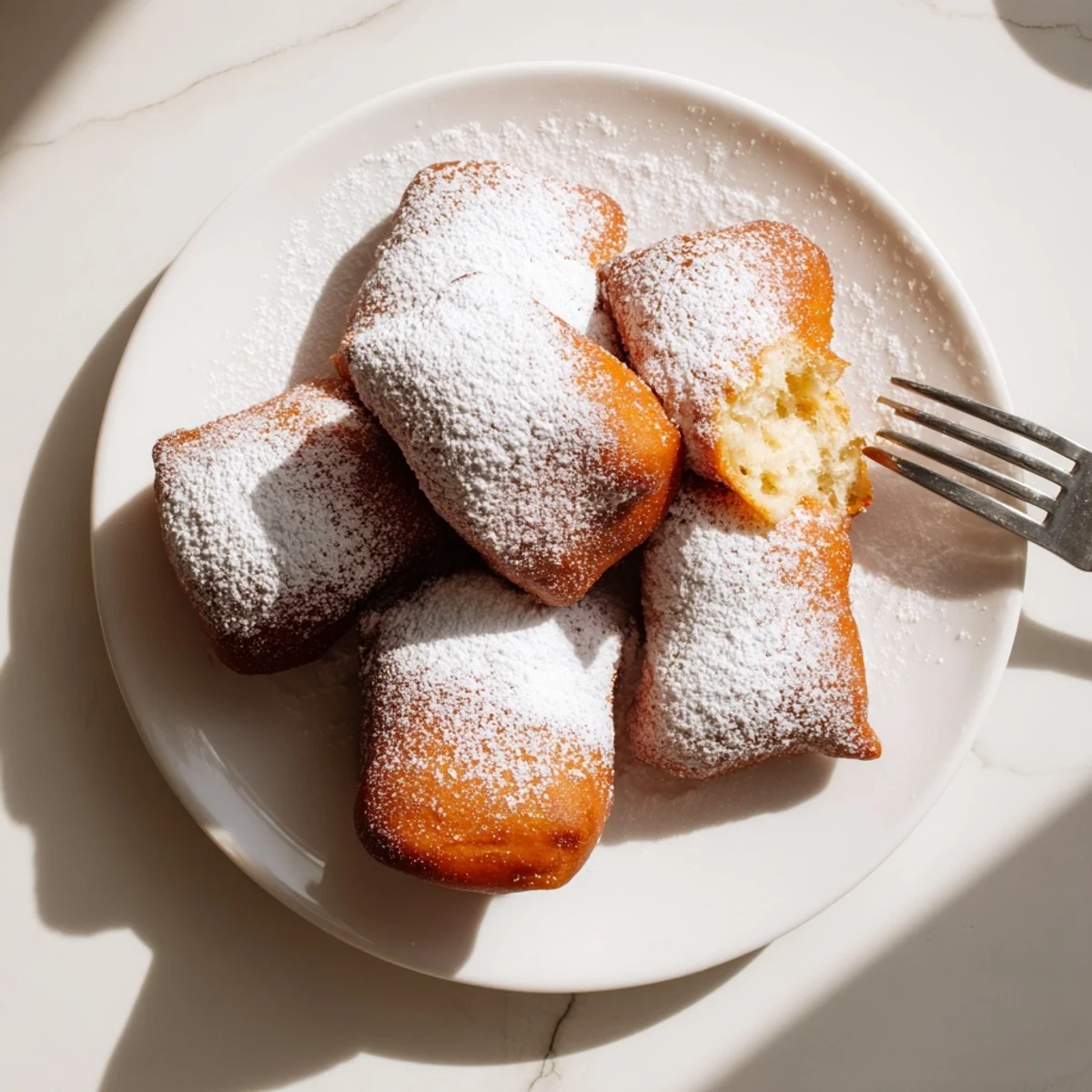
 Create authentic French beignets with this classic method that yields perfectly light, pillowy results. The dough combines all-purpose flour with active yeast, whole milk, eggs, butter, and pure vanilla extract for delicate flavor. After rising twice, the dough is cut into squares and deep-fried until golden brown. The key to perfect beignets is maintaining the oil temperature at 350°F and not overcrowding the pot during frying. Generously dust the warm pastries with powdered sugar for that iconic finish. These beignets are best enjoyed fresh and warm, ideally within hours of frying, though they can be briefly reheated in the oven. Serve alongside jam, chocolate sauce, or honey for an extra special treat.
The first time I made beignets, it was a rainy Sunday morning and I was feeling stubborn about recreating a tiny memory from a Paris trip years ago. My kitchen ended up looking like a snow globe had exploded, but taking that first bite of warm, vanilla-scented dough made powdered sugar on every surface completely worth it.
Last winter, my neighbor smelled these frying through our shared wall and knocked on my door with a hopeful expression. We ended up eating them standing up in my kitchen, dusting sugar everywhere and talking about how some foods just make conversation flow easier.
Ingredients
- All-purpose flour: The backbone that gives structure while keeping the inside tender and light
- Active dry yeast: Make sure your water is warm but not hot, or you will kill the yeast and your dough will not rise
- Whole milk: I have tried with lower fat milk but the richness really does make a difference in the final texture
- Unsalted butter: Melt it and let it cool slightly so it does not scramble your eggs when you add it
- Pure vanilla extract: Do not skimp here because the vanilla is what makes these feel special and fragrant
- Vegetable oil: You need enough depth so the beignets can float freely while frying
- Powdered sugar: Dust while still warm so it melts slightly and creates that signature sweet coating
Instructions
- Wake up the yeast:
- Stir the yeast into warm water and wait for it to get foamy, which tells you it is alive and ready to work
- Mix the dough:
- Combine your dry ingredients first, then add the yeast mixture, milk, eggs, melted butter, and vanilla, letting the dough hook do the hard work for 5 to 7 minutes
- First rise:
- Put the dough in an oiled bowl, cover it, and find the warmest spot in your kitchen for it to double in size over the next hour or so
- Roll and cut:
- Punch down the risen dough, roll it out to a generous half inch thickness, and cut into 2 inch squares with a sharp knife
- Second rise:
- Let the cut squares rest for 30 minutes so they can puff up again, which makes them lighter when they hit the oil
- Fry to golden:
- Heat your oil to 350 degrees Fahrenheit and fry the beignets for 1 to 2 minutes on each side until they are beautifully golden and puffed
- Sugar shower:
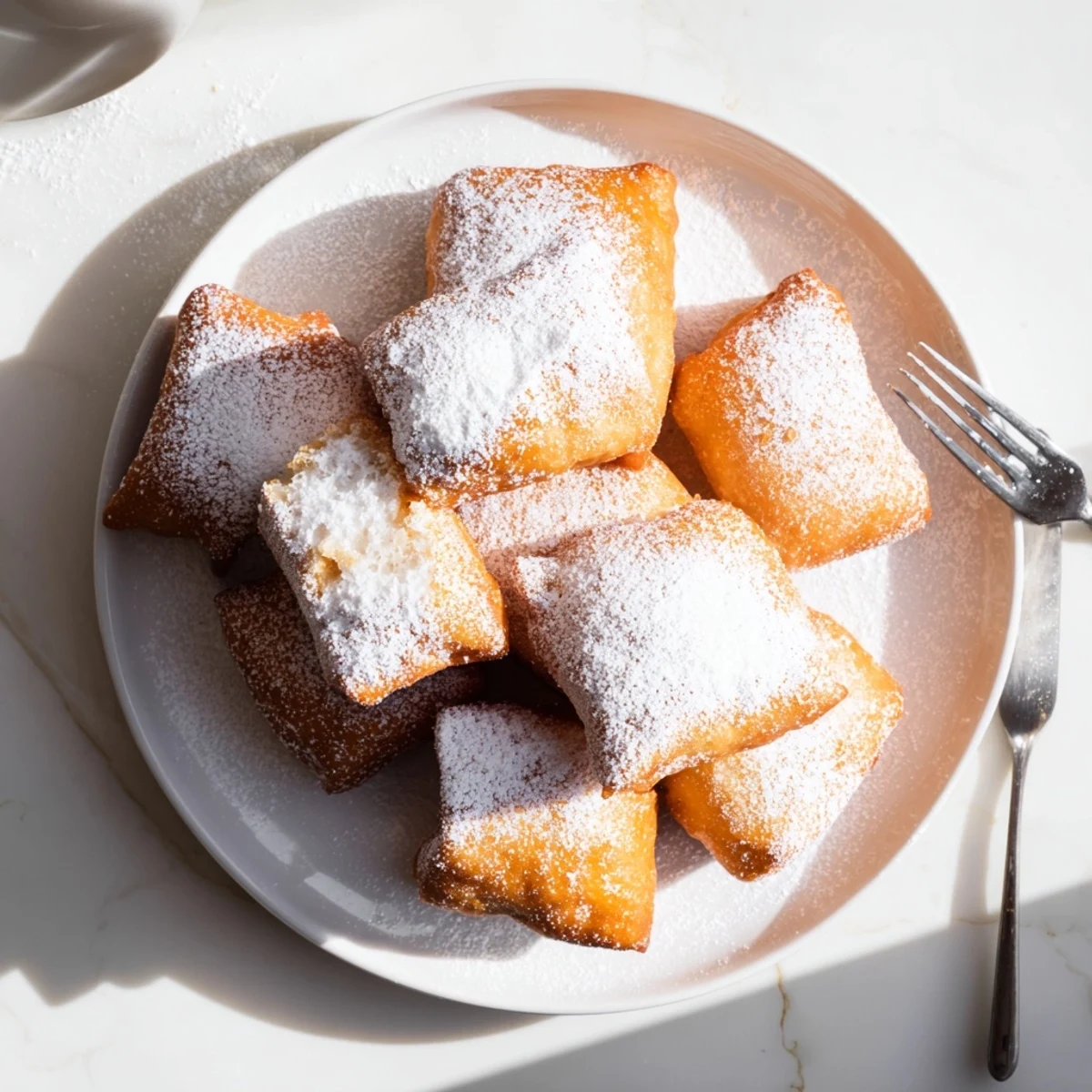
- Drain them briefly and dust generously with powdered sugar while they are still warm
 Pin This
 My daughter now requests these for sleepover breakfasts, and watching her friends try them for the first time is always a joy. They always look skeptical when I say fried dough, but then their eyes light up at that first bite of warm vanilla sweetness.
Perfecting The Dough Consistency
I learned the hard way that slightly sticky dough actually produces lighter beignets than dough I kept adding flour to. Trust the process and resist the urge to keep adding flour, because that sticky texture is exactly what you want.
Frying Like A Pro
A kitchen thermometer became my best friend when I started making these regularly. The difference between 350 and 375 degrees is the difference between perfectly golden and disappointingly dark, so take the guesswork out of it.
Serving Suggestions
While these are fantastic on their own, I sometimes serve them with raspberry jam or a simple chocolate dipping sauce for special occasions. The contrast of the tart fruit or rich chocolate against the sweet dough is something everyone should experience.
- Try adding lemon zest to the dough for a bright, sunny twist
- These reheat surprisingly well in a 300 degree oven for a few minutes
- Make extra powdered sugar because you will inevitably need more than you think
 Pin This
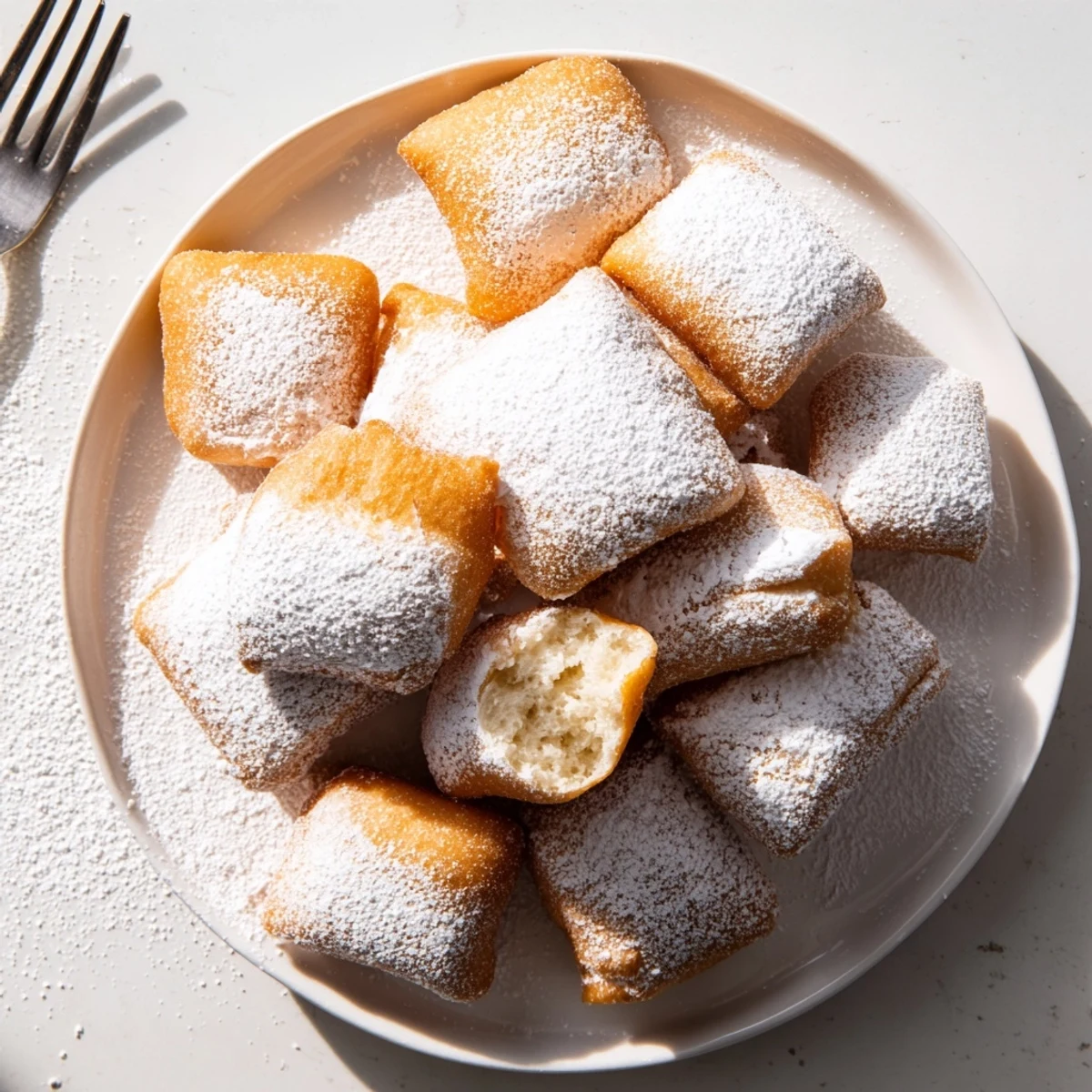
 There is something magical about pulling a batch of these out of the oil and watching everyone drift toward the kitchen. These beignets have become my favorite way to turn an ordinary morning into something that feels like a celebration.
Questions & Answers
- → What makes French beignets different from other fried doughs?
-
French beignets differ from other fried doughs through their light, pillowy texture achieved by yeast fermentation and proper rising time. Unlike denser fried doughs, beignets use a choux-like dough that puffs dramatically when fried, creating an airy interior with a golden, slightly crisp exterior. The addition of vanilla and generous powdered sugar dusting gives them their signature delicate sweetness.
- → How long should I let the beignet dough rise?
-
The dough requires two rising periods. The first rise takes 1 to 1.5 hours in a warm place until doubled in size. After cutting into squares, a second rise of 30 minutes helps develop the light, airy texture. Both rising periods are essential for achieving the characteristic pillowy interior that makes authentic beignets so special.
- → What's the ideal oil temperature for frying beignets?
-
Maintain your oil at 350°F (175°C) for optimal results. This temperature ensures the beignets cook through completely without burning or becoming greasy. Use a kitchen thermometer to monitor the heat, as oil that's too cool will result in soggy beignets while oil that's too hot will burn the exterior before the interior cooks properly.
- → Can I make beignet dough ahead of time?
-
Yes, you can prepare the dough and refrigerate it after the first rise. Place the risen dough in an airtight container and refrigerate for up to 24 hours. When ready to fry, bring the dough to room temperature, roll it out, cut into squares, and proceed with the second 30-minute rise before frying. This makes preparation easier for entertaining or breakfast planning.
- → Why do my beignets come out flat instead of puffy?
-
Flat beignets usually result from insufficient rising time or inactive yeast. Ensure your yeast is fresh and foamy before incorporating it into the dough. Don't skip the second 30-minute rise after cutting the squares. Additionally, avoid rolling the dough too thin — maintain about 1/2 inch thickness. Finally, make sure your oil is at the correct temperature to create immediate puffing upon contact.
- → What's the best way to store leftover beignets?
-
Beignets are best enjoyed fresh and warm, but leftovers can be stored in an airtight container at room temperature for up to 1 day. To refresh, place them in a 350°F oven for 3-5 minutes until warmed through, then re-dust with powdered sugar. Avoid refrigerating as this makes them stale quickly. For longer storage, freeze cooled beignets in freezer bags for up to 2 months and reheat in the oven before serving.