
 Pin This
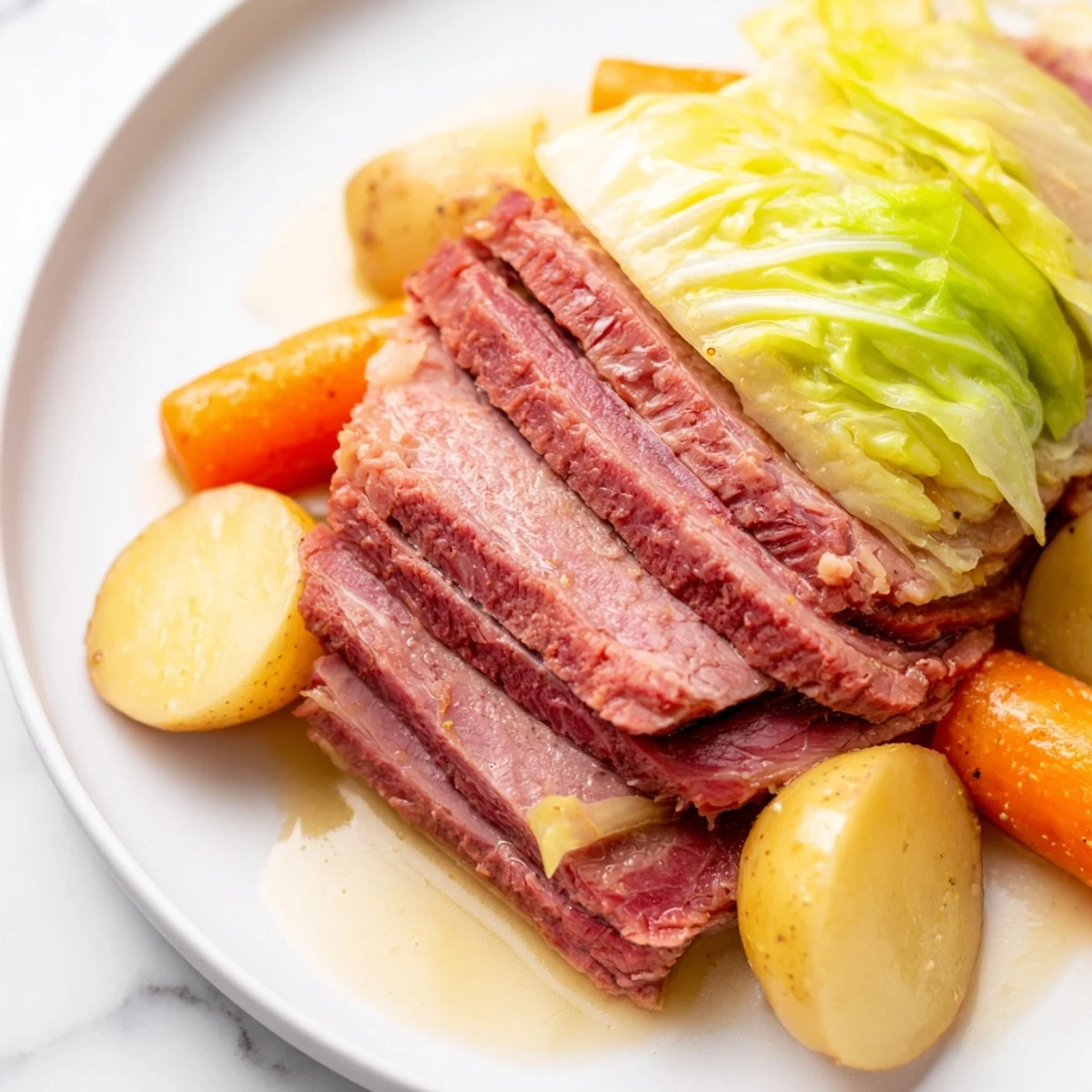
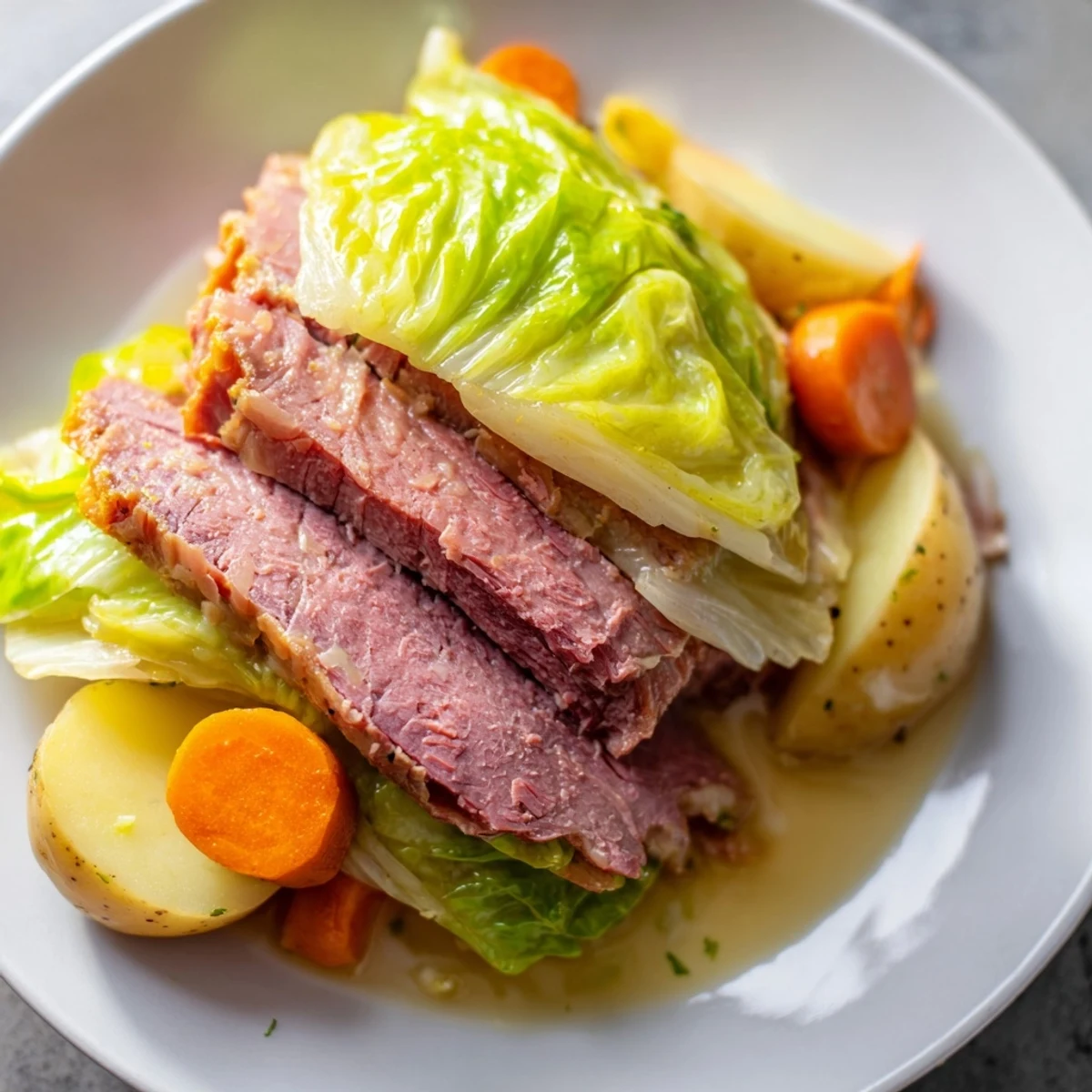
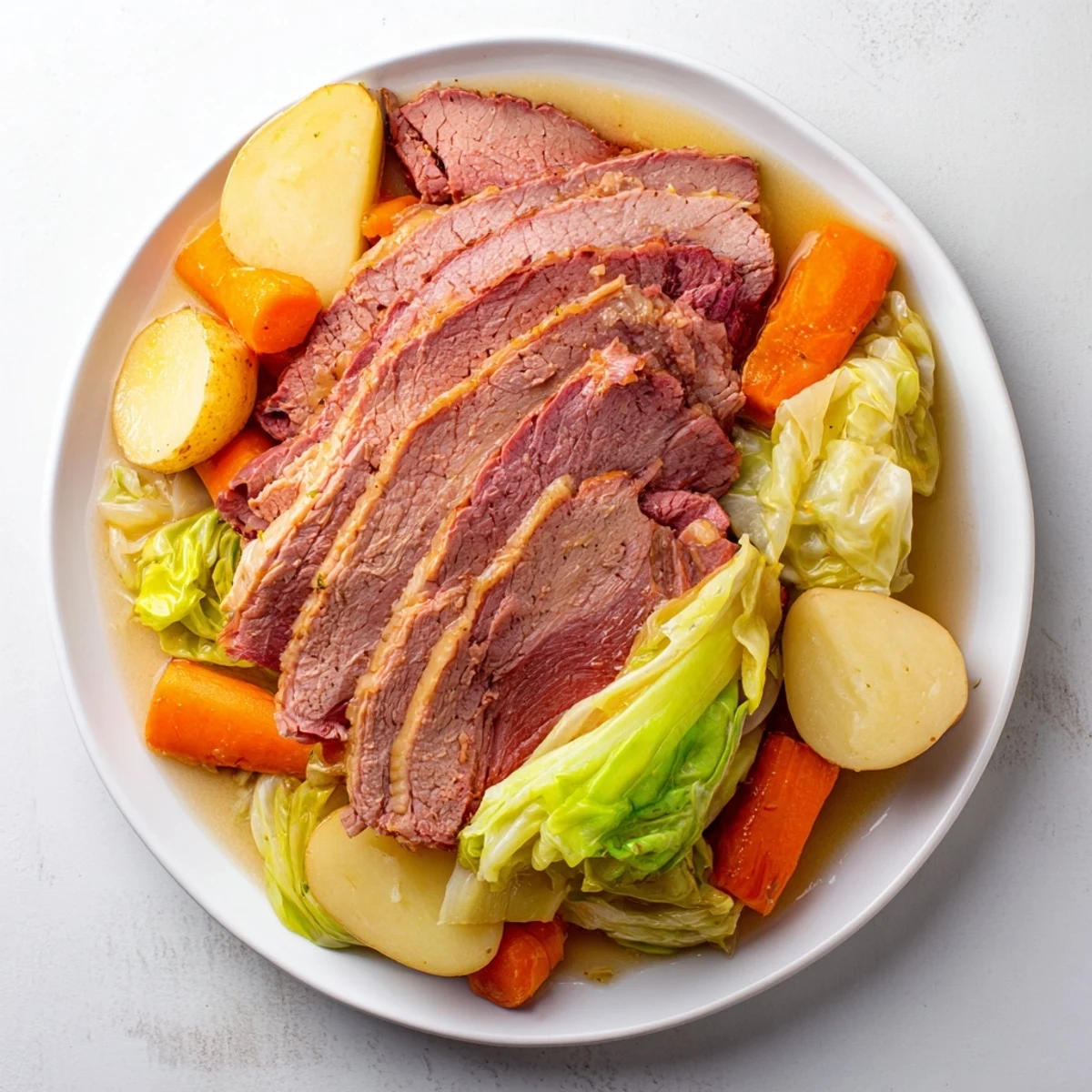
 This dish features tender corned beef slow cooked for hours alongside cabbage, potatoes, carrots, and aromatic seasonings. The slow simmering method allows flavors to meld deeply, resulting in melt-in-your-mouth beef and perfectly cooked vegetables. Adding cabbage during the last hour ensures it retains its shape and texture, while absorbing the rich broth. Serve slices of beef with the vegetables and some of the cooking liquid for a satisfying and warming meal, ideal for family dinners or special occasions.
My apartment building smelled incredible that entire day—three different neighbors knocked on my door asking what I was cooking. I'd thrown everything in the slow cooker that morning before work, not thinking much of it, but came home to the most welcoming aroma imaginable.
Last St. Patrick's Day, my sister insisted I make this for our family gathering. She's usually the cook in the family, so I was nervous, but watching everyone go silent while eating—then immediately asking for seconds—made me feel like I'd finally mastered something real.
Ingredients
- Corned beef brisket: The spice packet included is essential—don't toss it. I learned this the hard way once when I thought I knew better.
- Yukon Gold potatoes: They hold their shape beautifully during long cooking and develop this creamy, buttery texture without falling apart.
- Green cabbage: Cut into wedges instead of shreds. The layers stay intact and become tender while still having a slight bite.
- Beef broth: Low-sodium is crucial here. The spices and meat provide plenty of saltiness on their own.
- Bay leaves and peppercorns: These subtle aromatics make the difference between good corned beef and great corned beef.
Instructions
- Prep the beef:
- Rinse the brisket under cold water and pat it completely dry with paper towels. Place it fat-side up in your slow cooker.
- Season and layer:
- Sprinkle the spice packet contents over the meat, then arrange the onion quarters, smashed garlic cloves, carrots, and potatoes around the sides.
- Add the liquid:
- Pour in the beef broth and water until everything is just barely covered. Tuck in the bay leaves and scatter the peppercorns across the top.
- Slow cook:
- Cover and cook on LOW for 8 hours. The beef should be fork-tender, and your kitchen will smell amazing.
- Add the cabbage:
- During the last hour of cooking, carefully tuck the cabbage wedges down into the liquid around the beef and vegetables.
- Rest and slice:
- Remove the beef and let it rest for 10 minutes before slicing against the grain. Serve everything in shallow bowls with some of that cooking broth ladled over the top.
 Pin This
 My dad, who's normally critical of my cooking attempts, took one bite and quietly said, 'This is exactly how your grandmother made it.' That might be the best compliment I've ever received in a kitchen.
Make It Your Own
Some people add a splash of Guinness or Irish whiskey to the cooking liquid. I've tried both—the Guinness adds depth while the whiskey gives a subtle sweetness. Neither is necessary, but both are delicious experiments.
Serving Suggestions
Grainy mustard or horseradish cream on the side cuts through the richness beautifully. I also like crusty bread for soaking up that incredible broth. A simple green salad with bright vinaigrette balances all the comforting heaviness.
Leftovers and Storage
This reheats exceptionally well—I actually think it tastes better the next day when all the flavors have really married together. The leftovers also make incredible hash for breakfast or the most decadent sandwiches you've ever had.
- Store everything together in the cooking liquid for up to 4 days
- Freeze portions with some broth for quick future meals
- The fat will solidify in the fridge—just reheat gently and it'll melt back in
 Pin This
 There's something profoundly satisfying about a meal that requires so little effort but brings so much comfort to everyone at the table.
Questions & Answers
- → How long should the beef cook for optimal tenderness?
-
Cook the beef on low heat for about 8 hours until it becomes fork-tender, allowing flavors to fully develop.
- → When should I add cabbage to the cooking process?
-
Add the cabbage wedges during the last hour of cooking to keep them tender yet crisp.
- → Can I substitute Yukon Gold potatoes with another variety?
-
Yes, baby potatoes or other waxy potatoes work well and hold their shape during slow cooking.
- → What seasoning enhances the flavor without overpowering?
-
A blend of bay leaves, peppercorns, and mustard seeds adds depth without overwhelming the natural beef taste.
- → Is it necessary to rest the meat after cooking?
-
Yes, letting the beef rest for about 10 minutes before slicing helps retain juices and tenderness.