
 Pin This
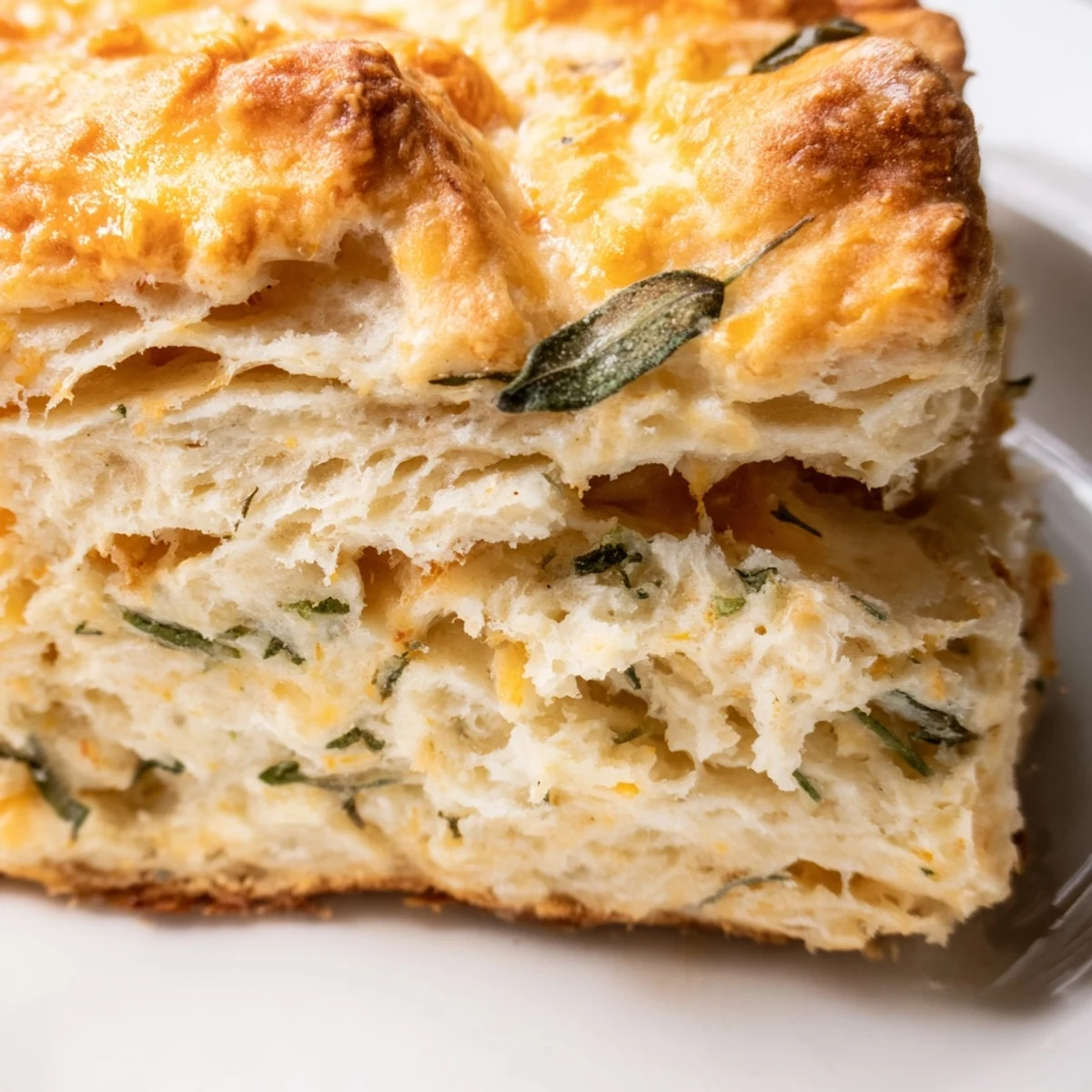
 These tender biscuits feature layers of cold butter creating exceptional flakiness, while freshly chopped sage adds aromatic depth and grated Gruyere brings nutty, savory richness throughout. The dough comes together quickly with cold buttermilk, requiring minimal handling to ensure tender results every time.
Baked at high heat, these golden beauties develop a crisp exterior with soft, steamy interiors perfect for slathering with salted butter or drizzling with honey. The combination pairs beautifully with eggs, soup, or roasted vegetables, making them versatile enough for any meal.
The sage bush in my garden has taken on a life of its own, reaching ambitious heights toward the sun and demanding regular harvests. After yet another generous pruning session, I found myself with mountains of those fragrant, velvety leaves and a sudden craving for something warm and comforting.
I first made these on a rainy Sunday morning when friends were coming over for brunch. The smell that filled my kitchen—butter browning, sage blooming, cheese melting—had everyone hovering around the oven door before they even took off their coats.
Ingredients
- 2 cups all-purpose flour: The foundation of everything, dont be tempted to use whole wheat here or you will lose that tender flakiness
- 1 tbsp baking powder: This is what gives you that impressive rise, make sure it is fresh
- 1/2 tsp baking soda: Works with the buttermilk to create those beautiful airy pockets inside
- 1/2 tsp fine sea salt: Enhances all the flavors and balances the rich cheese
- 1/2 tsp freshly ground black pepper: Adds a subtle warmth that makes the sage sing
- 1/2 cup cold unsalted butter, cubed: Cold butter is non-negotiable here, it creates the flaky layers you are after
- 1 cup Gruyere cheese, grated: This Swiss cheese brings a nutty depth that melts into gorgeous puddles throughout the biscuit
- 3/4 cup cold buttermilk: The acidity activates the baking soda and tenderizes the gluten
- 2 tbsp fresh sage, finely chopped: Fresh is absolutely worth it here, dried sage would taste dusty and sad in comparison
- 1 tbsp milk or cream: For brushing the tops, this step is optional but gives you that gorgeous golden finish
Instructions
- Get your oven ready:
- Preheat that oven to 425°F and line a baking sheet with parchment paper so nothing sticks
- Whisk the dry ingredients:
- In a large bowl, combine flour, baking powder, baking soda, salt, and pepper until everything is evenly distributed
- Cut in the butter:
- Add those cold butter cubes and work them into the flour with a pastry cutter or your fingers until you see coarse crumbs with some pea-sized butter pieces remaining
- Add the flavor makers:
- Fold in the grated Gruyere and chopped sage until they are scattered throughout the flour mixture
- Bring it together:
- Pour in the cold buttermilk and mix gently with a fork just until the dough holds together, seriously, stop as soon as it comes together
- Shape and cut:
- Turn the dough onto a floured surface and pat it into a 1-inch thick rectangle, then cut rounds with a floured cutter, pressing straight down without twisting
- Bake to golden perfection:
- Place biscuits on your prepared sheet, brush with milk if you want that extra glow, and bake for 14 to 16 minutes until deeply golden
 Pin This
 These biscuits have become my go-to when I need to bring something to a gathering that feels special without requiring restaurant level skills. Last week I made a double batch and my neighbor texted me the next day asking if I had any left.
Make Them Your Own
I have played around with adding a pinch of cayenne for heat, and sometimes I swap in some sharp cheddar alongside the Gruyere. The sage is beautiful but fresh thyme works wonderfully too, especially if you are serving these with a roast chicken dinner.
Freezing For Later
One of the best discoveries I made is that these freeze beautifully unbaked. Cut your biscuits and arrange them on a baking sheet in the freezer until firm, then transfer to a bag and bake straight from frozen, adding a couple minutes to the time.
Serving Suggestions
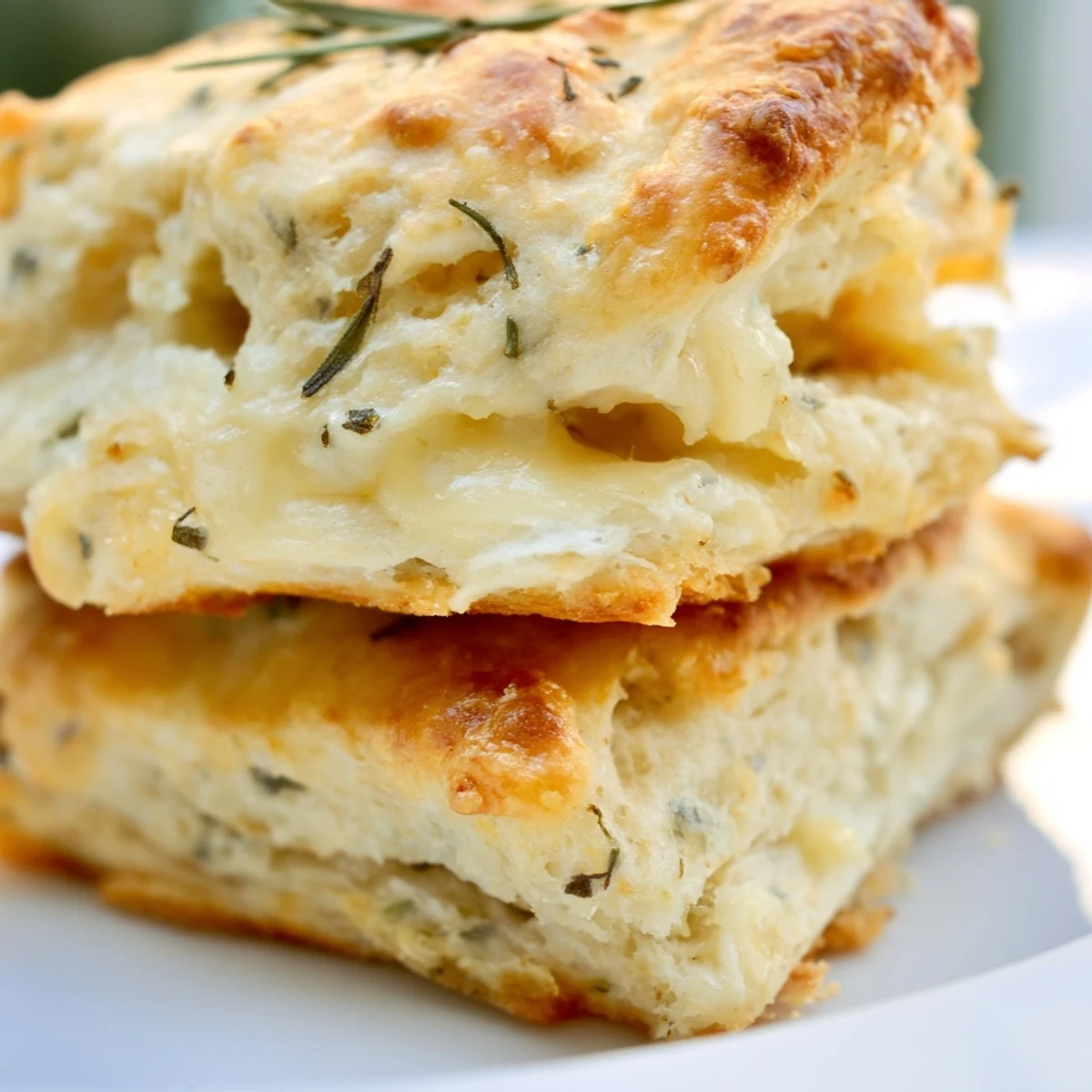
These are perfect split and served with salted butter or a drizzle of honey that unexpected sweet and salty moment is absolute magic. They also make incredible breakfast sandwiches with a fried egg and some arugula.
- Warm them slightly before serving even if they are a day old
- Wrap leftovers well and they will stay decent for about two days
- Never reheat in the microwave or you will lose all that lovely crispness
 Pin This
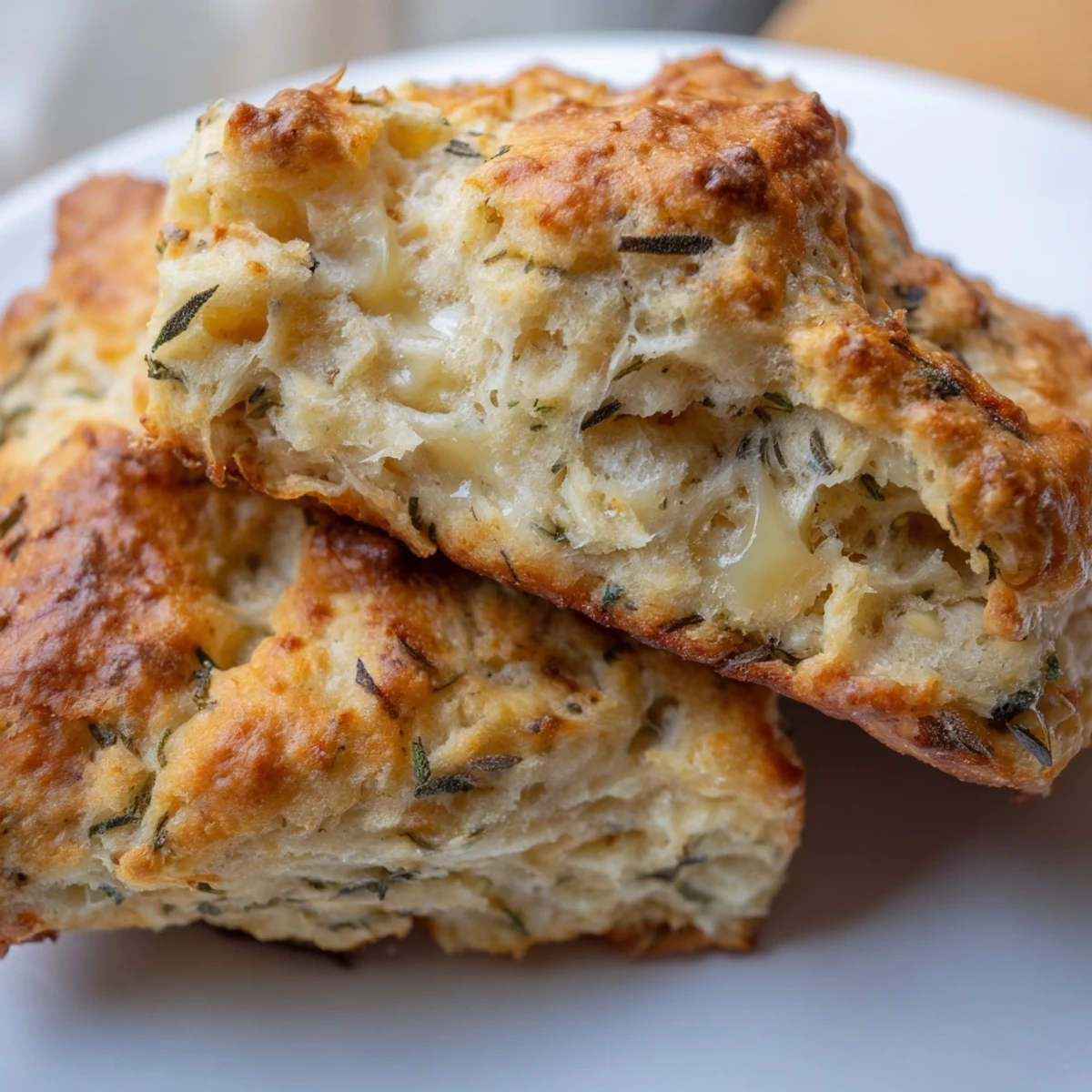
 There is something deeply satisfying about pulling a tray of these from the oven, watching steam rise off those golden tops, and knowing you made something that will disappear in minutes.
Questions & Answers
- → Why must the butter and buttermilk be cold?
-
Cold ingredients prevent butter from melting before baking, which creates steam pockets that result in flaky layers. Keep everything chilled until mixing.
- → Can I substitute the Gruyere cheese?
-
Yes, try sharp cheddar, Swiss, or Comté. For extra flavor, mix half Gruyère with another cheese or add Parmesan to the dry mix.
- → Why shouldn't I twist the biscuit cutter?
-
Twisting seals the edges, preventing proper rising. Press straight down and lift up for tall, fluffy biscuits with defined layers.
- → How do I store leftover biscuits?
-
Store in an airtight container at room temperature for 2 days, or freeze for up to 3 months. Reheat in a 400°F oven for 5 minutes.
- → Can I use dried sage instead of fresh?
-
Yes, use 1 teaspoon dried sage. Fresh provides brighter flavor, but dried works well—just reduce the amount since dried herbs are more concentrated.