
 Pin This
 This dish highlights the natural sweetness of butternut squash enhanced by the aromatic warmth of fresh ginger. Roasting the squash caramelizes its sugars, creating a rich, velvety texture when blended. Combined with sautéed aromatics and mild spices, it provides comforting layers of flavor ideal for colder days. Finished with optional creamy and herbaceous garnishes, it offers a balanced, nutritious experience that’s both easy to prepare and satisfying.
There's something almost meditative about the way butternut squash transforms in the oven—those pale cubes turning sunset-gold while your kitchen fills with this sweet, toasty aroma that makes you forget it's the middle of a gray day. I discovered this soup entirely by accident one October when I had half a squash languishing in my pantry and a hankering for something warm that didn't feel heavy. The ginger was an experiment; I'd just bought a knob of it for ginger tea and thought, why not throw it in? That first spoonful changed everything—creamy, naturally sweet, but with this unexpected peppery warmth that wakes you up.
I made this for my partner on a Sunday when we were both dealing with stubborn colds, and watching them have seconds felt like small magic—not because it's fancy, but because it somehow made that miserable day a little less miserable. That's when I knew this soup had staying power.
Ingredients
- Butternut squash (1 medium, about 2 lbs): Roasting brings out the natural sweetness and makes the texture irresistibly velvety; don't skip the oven step.
- Fresh ginger (1-inch piece, peeled and grated): This is where the magic lives—that warm, slightly sharp note that prevents the soup from tasting like dessert.
- Onion and carrots (1 medium onion, 2 medium carrots): They soften into the background, adding depth and a subtle sweetness that balances the spices.
- Vegetable broth (4 cups): Use a good quality one if you can; it's the foundation of the entire pot.
- Olive oil (2 tbsp total): Split between roasting the squash and sautéing the aromatics for even flavor throughout.
- Ground cumin and cinnamon (1/2 tsp and 1/4 tsp): They work together quietly, adding warmth without shouting—taste as you go.
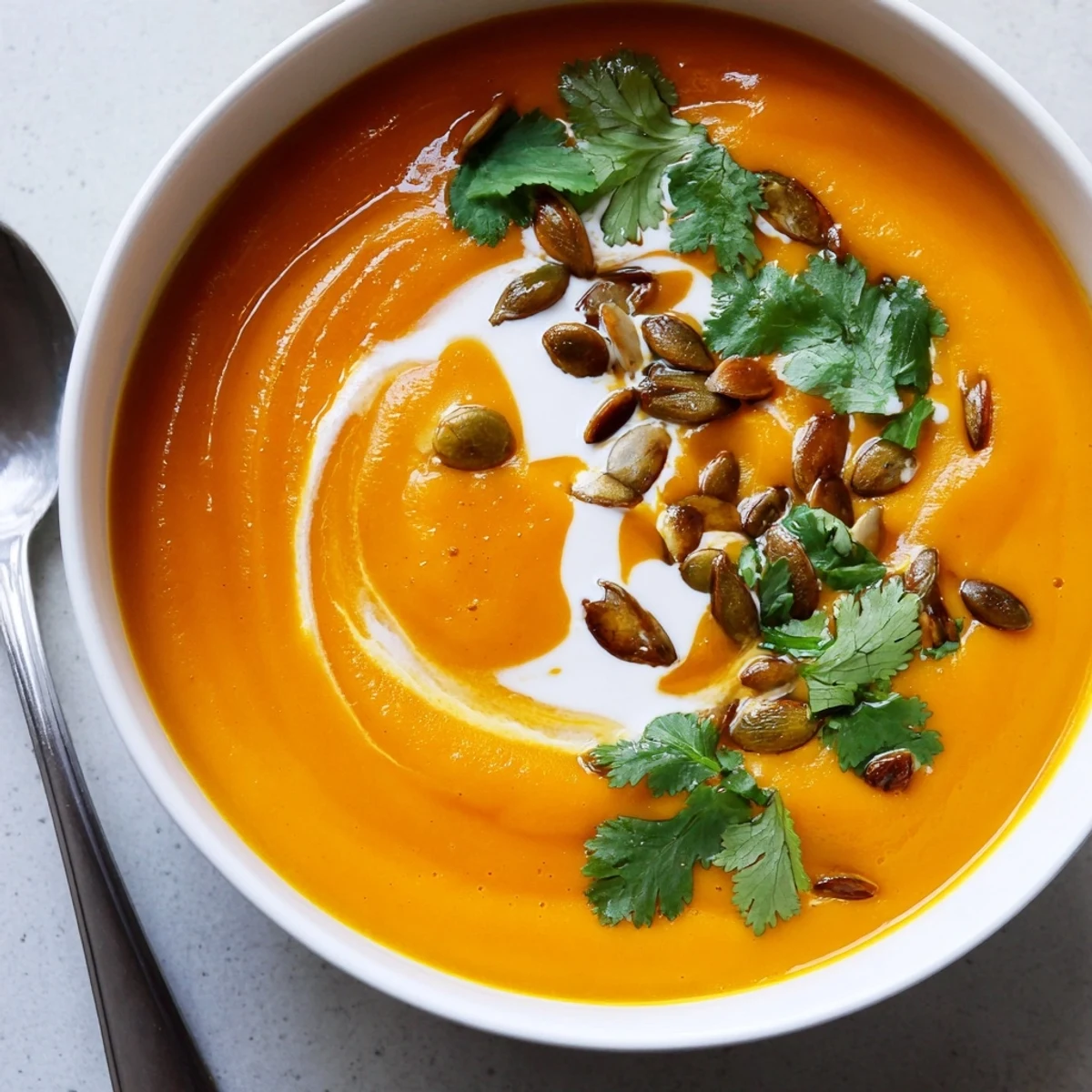
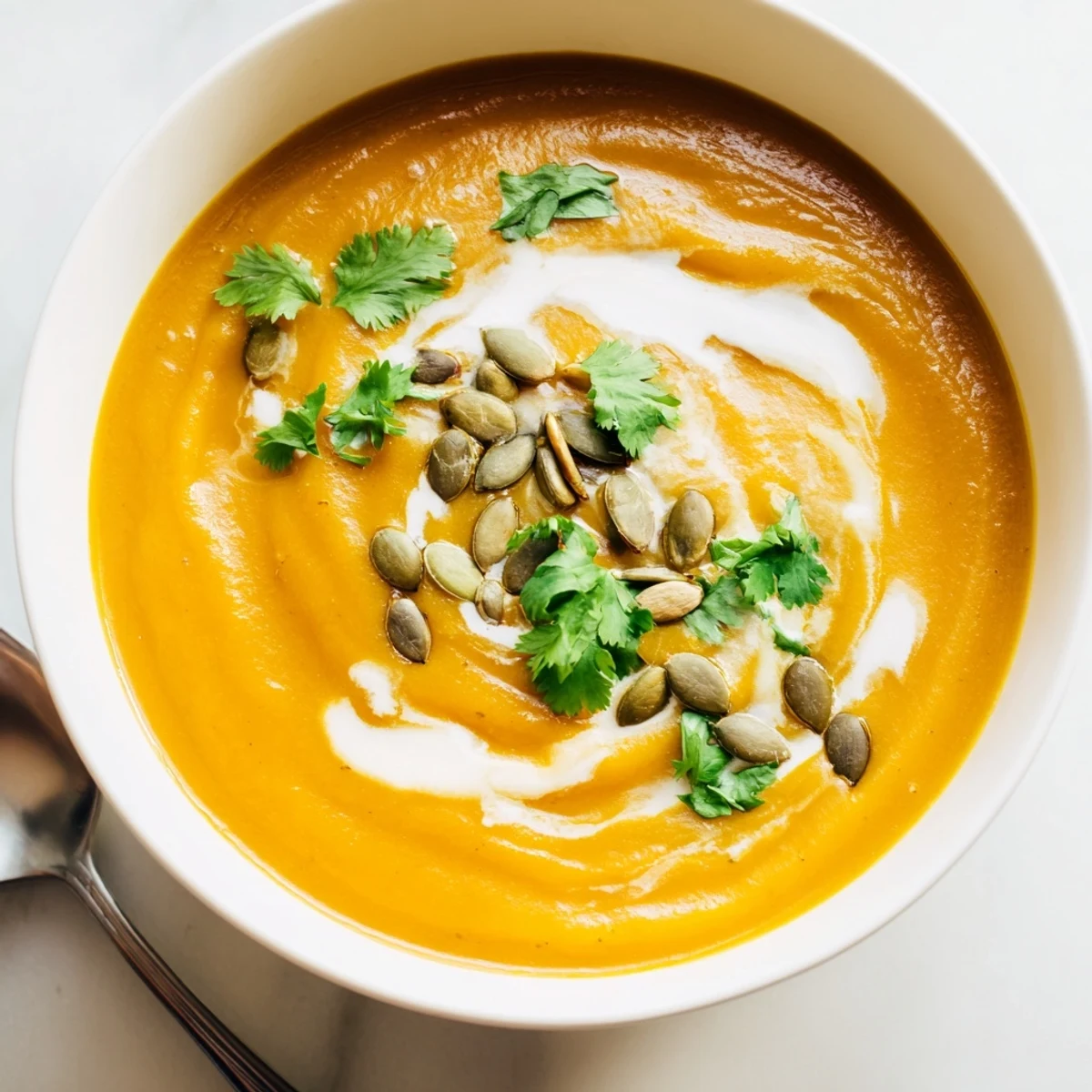
- Coconut milk or cream (1/4 cup, for serving): Optional but transforms the final bowl into something luxurious; a drizzle is enough.
- Pumpkin seeds and fresh herbs (cilantro or parsley): These add texture and a fresh finish that cuts through the richness beautifully.
Instructions
- Get your oven ready:
- Preheat to 400°F—you want it hot enough to caramelize the squash edges without drying them out.
- Prepare and season your squash:
- Toss the cubed butternut squash with half the olive oil, salt, and pepper on a baking sheet, making sure each piece gets a light coating. Spread them in a single layer so they have room to roast properly.
- Roast until golden:
- This takes 25–30 minutes depending on how chunky your cubes are; turn them halfway through so they brown evenly on all sides. You'll know they're done when a fork pierces them easily and the edges are caramelized.
- Build your flavor base:
- While the squash roasts, heat the remaining olive oil in a large pot over medium heat and sauté the diced onion and sliced carrots for 5–6 minutes until they soften and turn translucent at the edges. This is where the soup actually starts.
- Wake up the spices:
- Add the minced garlic, grated ginger, cumin, and cinnamon, stirring constantly for just about 1 minute until the whole pot smells warm and alive. Don't let it burn; that minute is enough.
- Bring it together:
- Tip the roasted squash into the pot, pour in the vegetable broth, and give it a good stir. Bring everything to a boil, then turn the heat down and let it simmer gently for 10 minutes so the flavors meld.
- Blend until silky:
- Remove from heat and use an immersion blender to puree the soup right in the pot until completely smooth, or work in batches with a regular blender if that's what you have—just be very careful with the heat. You want this velvety, no lumps.
- Taste and adjust:
- A pinch more salt? A crack more pepper? This is your moment to make it perfect for your palate.
- Serve with intention:
- Ladle into bowls, drizzle with coconut milk or cream if you're using it, scatter with pumpkin seeds and fresh herbs, and serve immediately while it's steaming.
 Pin This
 There's a particular kind of comfort in knowing you can make something this restaurant-quality in under an hour, using ingredients that most people have on hand or can easily find. It's the kind of soup that reminds you why cooking for yourself matters.
The Magic of Roasting
I used to boil my squash until I was completely sick of it and it tasted gray—literally gray, in flavor and appearance. Then a friend mentioned roasting, and I realized I'd been robbing myself of an entire dimension of flavor. When you roast butternut squash, the natural sugars concentrate and caramelize at the edges, creating this depth that boiling just can't touch. It takes the same amount of time anyway, so there's really no reason not to do it.
Playing with Heat and Spice
The cumin and cinnamon pairing might seem unusual if you're used to savory soups that stick to salt and pepper, but they're quietly doing important work—warm spices are natural partners with squash because they echo the sweetness without making it feel dessert-like. If you want more punch, a pinch of cayenne pepper or chili flakes when you're sautéing the garlic will give you a gentle heat that builds with each spoonful. Start small; you can always add more, but you can't take it out.
Storage and Variation Ideas
This soup keeps beautifully in the refrigerator for about four days and freezes wonderfully for up to three months—just let it cool completely and freeze it flat in a bag to save space. If you're playing with substitutions, sweet potatoes or pumpkin work just as well as butternut squash and often roast a bit faster; adjust your timing accordingly. You can also lighten it up by stirring in a splash of milk instead of cream, or keep it completely plant-based with coconut milk and still have something deeply satisfying.
- Make it ahead and reheat gently on the stove, thinning with a bit of broth if it's thickened too much.
- Serve it chilled on a warm day with a sprinkle of fresh mint instead of cilantro for something entirely different.
- Pair it with crusty bread to turn lunch into something that feels almost special.
 Pin This
 This is the kind of soup that makes you glad autumn exists, the kind that tastes like care in a bowl. Make it once and you'll find yourself reaching for the recipe again and again.
Questions & Answers
- → What’s the best method to roast butternut squash evenly?
-
Cut the squash into uniform cubes and spread them in a single layer on a baking sheet. Toss with olive oil and season lightly, then roast at 400°F for 25–30 minutes, turning once for even caramelization.
- → Can fresh ginger be substituted or omitted?
-
Fresh ginger adds a distinctive warmth and zing. If unavailable, ground ginger can be used in smaller amounts, but fresh is recommended for optimal flavor.
- → How can the soup be made creamier without dairy?
-
Adding coconut milk or blending in cooked white beans can introduce creaminess while keeping the dish dairy-free.
- → Are there suggestions for spice variations?
-
Incorporate a pinch of cayenne or chili flakes during the sautéing step to add heat, or experiment with smoked paprika for a smoky layer.
- → What garnishes complement the flavor profile best?
-
Fresh cilantro or parsley bring brightness, pumpkin seeds add crunch, and a drizzle of coconut milk or cream enriches the mouthfeel.