
 Pin This
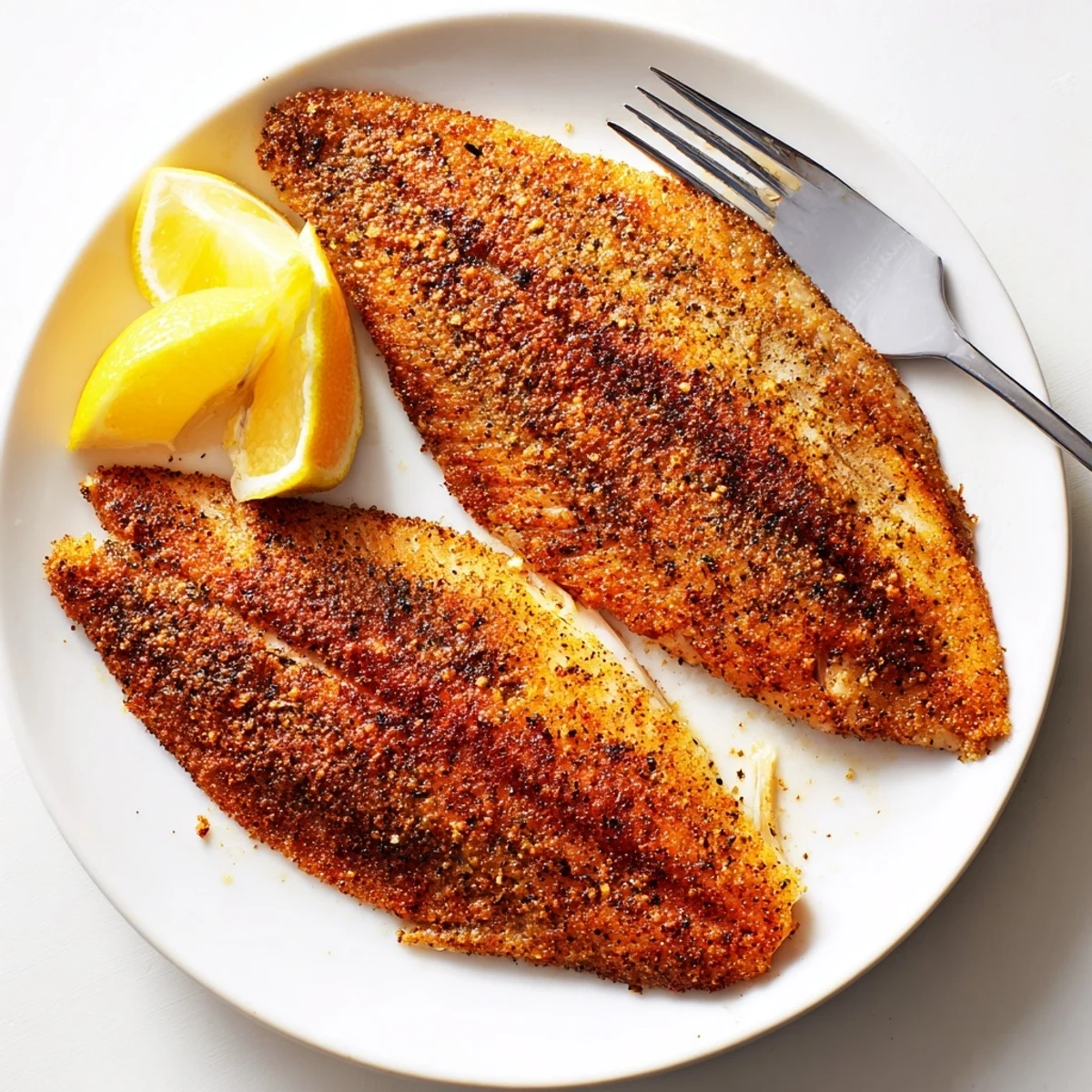
 This pan-fried tilapia delivers a perfectly golden, crispy crust with tender, flaky fish inside. A simple blend of paprika, garlic powder, and onion powder seasons each fillet beautifully.
Ready in just 20 minutes from start to finish, it's an ideal healthy weeknight meal. The optional cornmeal coating adds extra crunch, while a squeeze of fresh lemon brightens every bite.
At only 210 calories per serving with 32g of protein, this dish is both nutritious and satisfying. Pair with steamed vegetables or a fresh salad for a complete, gluten-free dinner.
The sizzle of fish hitting a hot skillet is one of those sounds that instantly makes a kitchen feel alive. I discovered pan fried tilapia during a phase when I was trying to eat more fish but kept overcomplicating things with marinades and bake times. One Tuesday evening, with barely anything in the fridge, I threw some spices together and let a hot pan do all the work. Twenty minutes later I was sitting at the table wondering why I had ever bothered with anything fancier.
My neighbor Dave stopped by unannounced one evening right as I was pulling fillets off the stove. He leaned over the counter, sniffed the air like a cartoon character, and asked if I always eat this well on a random Wednesday. We ended up standing in the kitchen eating straight from the pan with lemon wedges and paper towels instead of plates. Now he texts me every couple of weeks asking if its a tilapia night.
Ingredients
- 4 tilapia fillets (about 150g each), patted dry: Moisture is the enemy of a good crust, so spend an extra minute pressing paper towels against both sides until they feel almost tacky.
- 1 tsp salt: This might seem like a lot for four fillets but fish needs generous salting to bring out its delicate flavor.
- 1/2 tsp freshly ground black pepper: Pre-ground pepper tastes flat next to the real thing, so invest in a small grinder if you do not already own one.
- 1/2 tsp paprika: This adds a subtle warmth and helps create that gorgeous golden color on the outside.
- 1/4 tsp garlic powder: A gentle background note that rounds everything out without overpowering the fish.
- 1/4 tsp onion powder: Paired with the garlic, it gives you a savory depth that tastes like you did more than sprinkle dry spices.
- 1/4 cup cornmeal or gluten-free flour (optional): This thin coating is the difference between a nice sear and a genuinely crunchy crust that holds up even as the fish cools.
- 2 tbsp olive oil or unsalted butter: Butter gives richer flavor but olive oil lets you push the heat higher without burning, so choose based on your mood.
- 1 lemon, cut into wedges: A squeeze of bright acidity at the end pulls every flavor together and makes the whole dish sing.
Instructions
- Mix your seasoning blend:
- Stir together the salt, pepper, paprika, garlic powder, and onion powder in a small bowl until evenly combined. Take a pinch and rub it between your fingers to break up any clumps before moving on.
- Season the fillets:
- Sprinkle the spice mix over both sides of each fillet, pressing gently so it adheres to the surface. Your fingertips will smell amazing for the next hour, which is just a bonus.
- Add the optional coating:
- If you want extra crunch, dredge each seasoned fillet lightly in cornmeal or gluten-free flour and give it a gentle shake to remove the excess. You want a whisper-thin layer, not a batter.
- Get the pan screaming hot:
- Heat your olive oil or butter in a large nonstick skillet over medium-high heat until it shimmers and you see the first wisps of smoke. This is the moment where patience pays off, because a pan that is not hot enough will stick and steam instead of sear.
- Lay the fillets in carefully:
- Place each fillet presentation side down and do not move it, nudge it, or try to peek underneath for at least three minutes. If your pan is crowded, cook in two batches rather than sacrificing the crust.
- Flip and finish:
- When the edges look golden and the fish releases from the pan without resistance, flip gently and cook another two to three minutes until the flesh is opaque and flakes easily when you press it with a fork. Serve immediately with lemon wedges alongside.
 Pin This
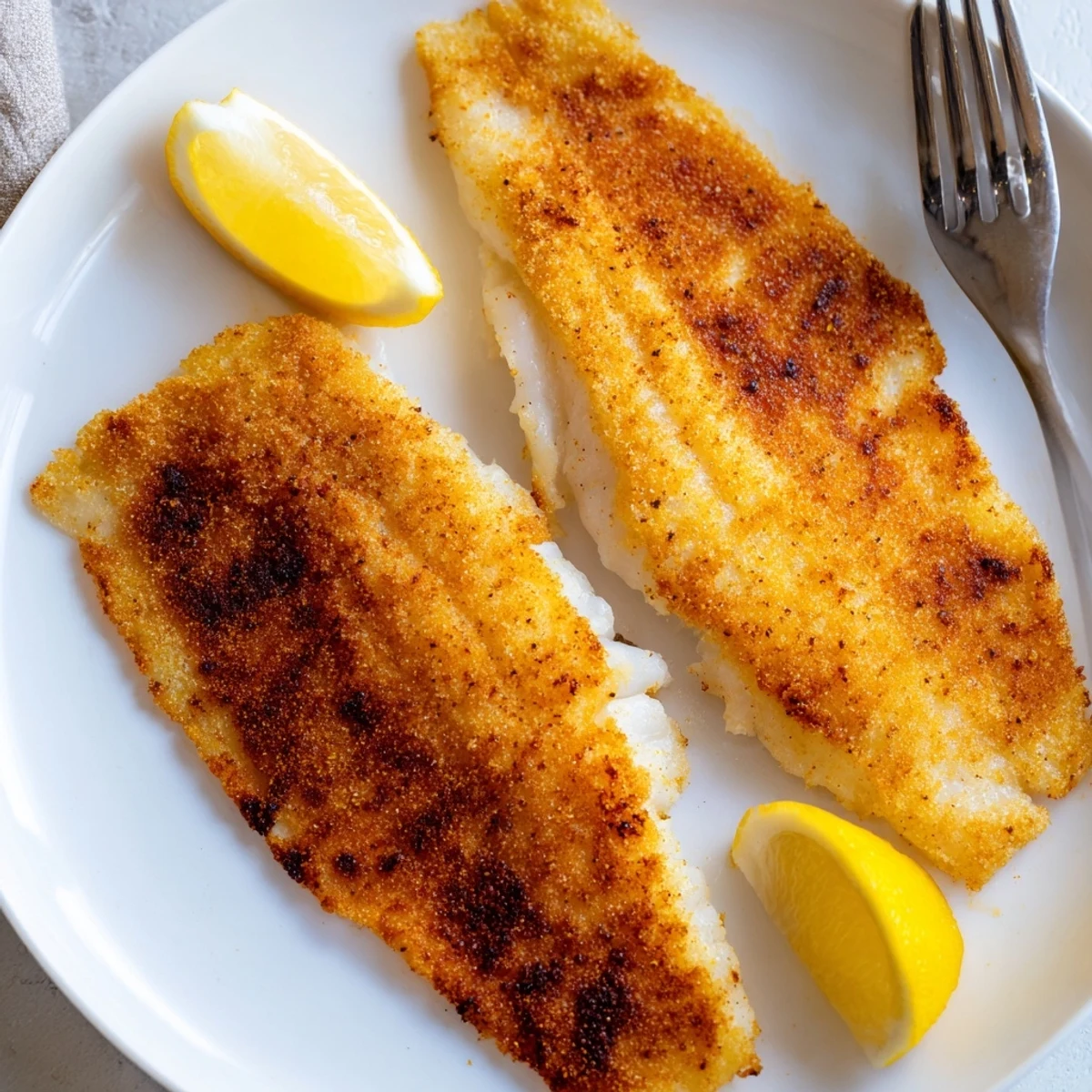
 There is something quietly satisfying about a recipe that delivers this much payoff for so little fuss. I have made this for sleepy Sunday lunches and late weeknight dinners alike, and it never feels out of place. The moment you lift a perfectly golden fillet onto a plate and hear that faint crunch, you will understand.
Picking the Right Fish
Fresh tilapia should smell clean, almost like nothing at all, so if your fillets have a strong fishy odor, pass on them. Frozen works beautifully too, just thaw them overnight in the fridge and pat them extra dry before cooking. If tilapia is not available, cod, catfish, or sole are all willing stand-ins that cook in roughly the same timeframe.
What to Serve Alongside
Steamed green beans with a squeeze of lemon make this feel like a proper dinner without adding work. A simple arugula salad with olive oil and salt is my go-to when I cannot be bothered to chop anything. If you want something heartier, a scoop of white rice or roasted potatoes will soak up whatever buttery juices pool on the plate.
Leftovers and Reheating
Honestly, this fish is best the moment it leaves the pan, but if you find yourself with extras, store them in the fridge and eat them cold the next day over a salad. Reheating in the microwave will make the crust soggy and the fish rubbery, which defeats the whole point. A quick session in a dry skillet over medium heat can bring back some of the texture if you insist on warm leftovers.
- Cold leftover tilapia flaked over greens makes a surprisingly excellent lunch.
- Never reheat fish more than once.
- Consume any leftovers within two days for the best quality and safety.
 Pin This
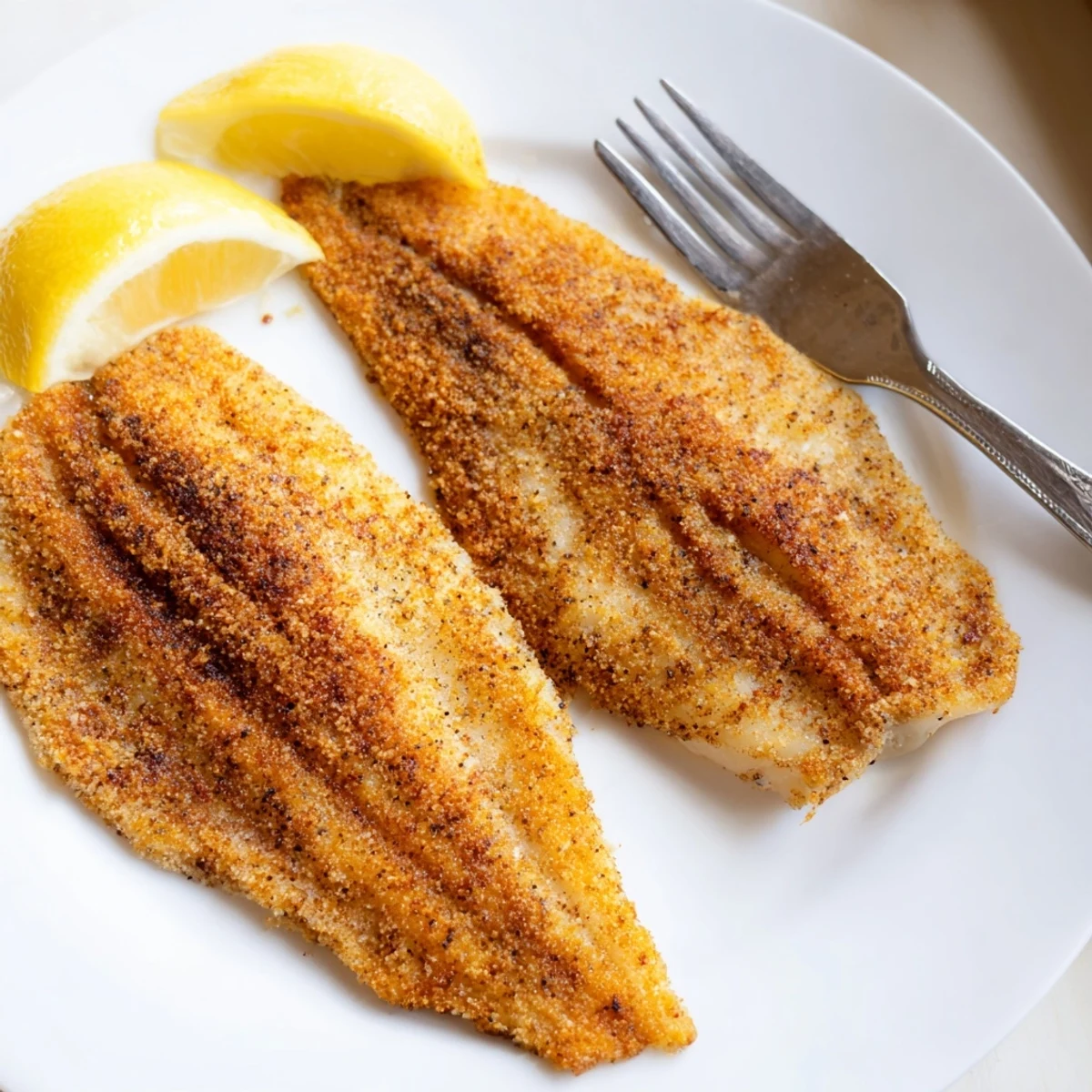
 Some recipes earn a permanent spot in your rotation not because they dazzle, but because they show up reliably every single time. This is that recipe for me, a quiet little weeknight hero that never asks for more than twenty minutes and always delivers. Keep a bag of tilapia in the freezer and you are never more than one sizzle away from a great dinner.
Questions & Answers
- → How do I know when tilapia is fully cooked?
-
Tilapia is done when it turns opaque throughout and flakes easily with a fork. The internal temperature should reach 145°F (63°C). Avoid overcooking as the fish can become dry and rubbery.
- → Can I use frozen tilapia fillets?
-
Yes, but thaw them completely first. Pat the fillets very dry with paper towels before seasoning. Excess moisture prevents a crispy crust from forming and can cause oil splatter during cooking.
- → What's the best oil for pan-frying fish?
-
Olive oil works wonderfully for its flavor and moderate smoke point. Butter adds rich taste but can burn at high heat. A combination of both gives you the best of each, or try avocado oil for higher heat tolerance.
- → Should I use cornmeal or flour for the coating?
-
Cornmeal creates a grittier, crunchier texture while flour gives a smoother, lighter coating. For gluten-free diets, use gluten-free flour or skip the coating entirely — the seasoning alone still produces excellent results.
- → What sides go well with pan-fried tilapia?
-
Steamed vegetables like asparagus or broccoli complement the fish perfectly. A fresh green salad, garlic rice, roasted potatoes, or coleslaw also pair beautifully. Keep sides light to let the tilapia shine.
- → How do I prevent the fish from sticking to the pan?
-
Ensure your skillet and oil are fully heated before adding the fillets. A nonstick or well-seasoned cast iron pan works best. Most importantly, don't try to flip the fish until it releases naturally from the surface — this means the crust has formed properly.