
 Pin This
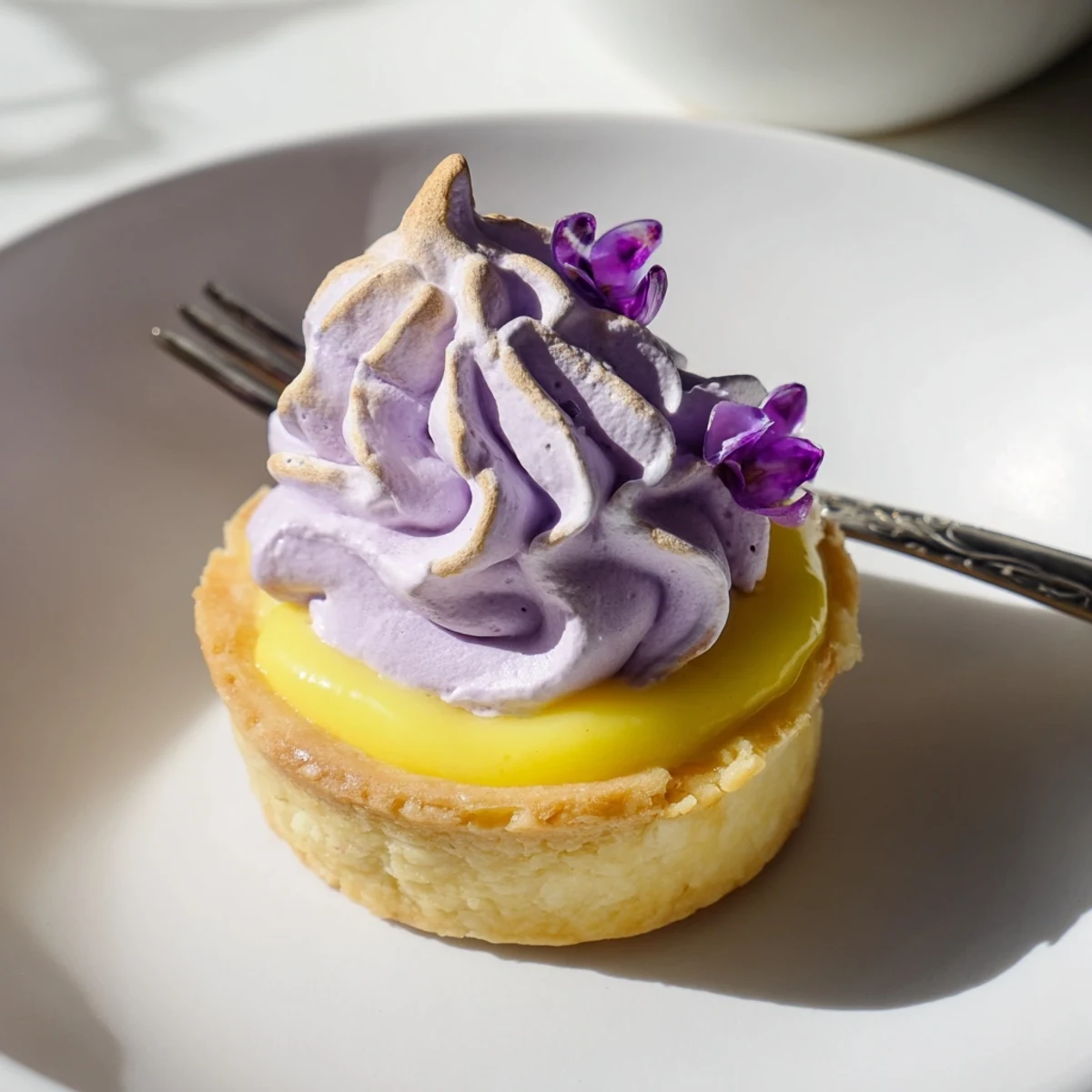
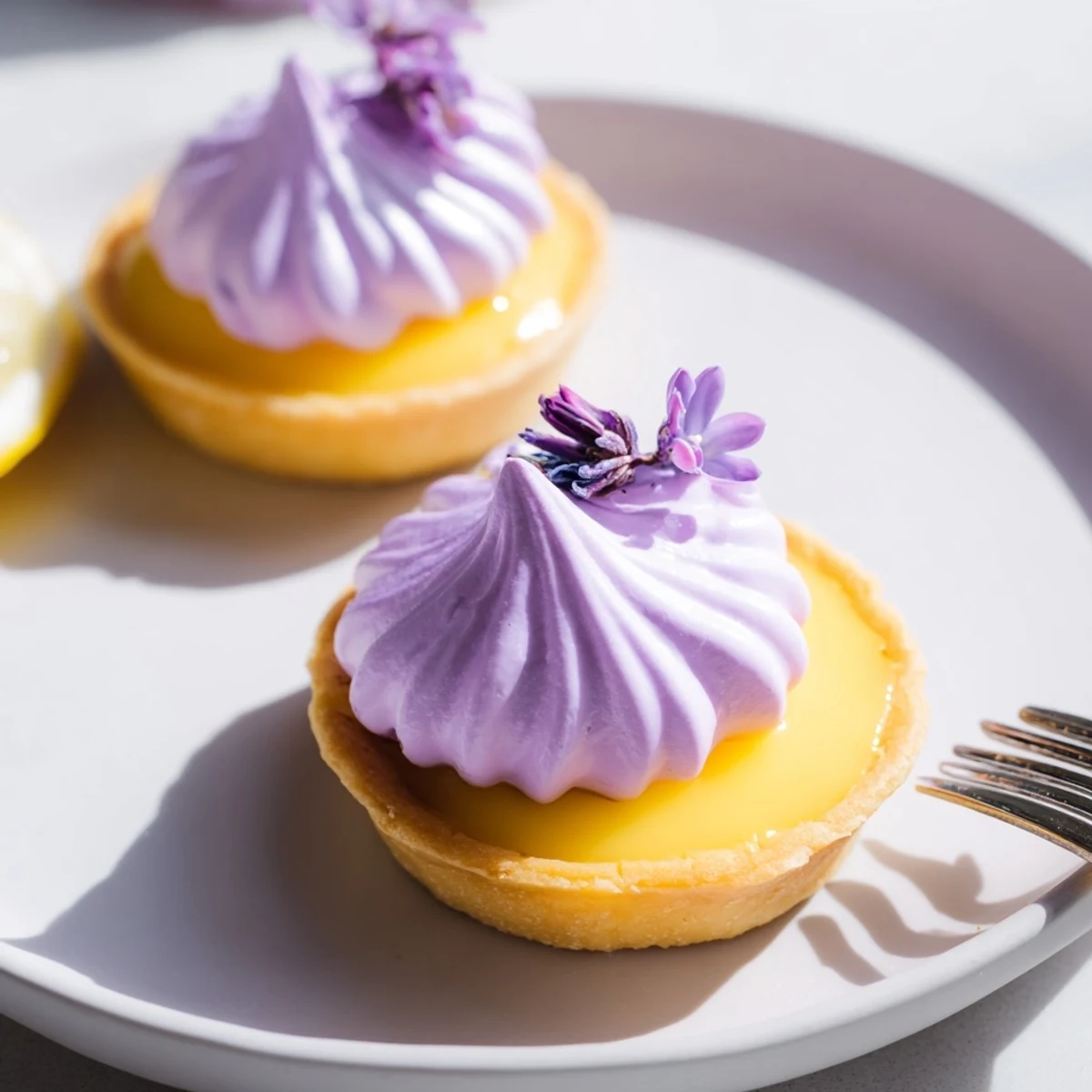
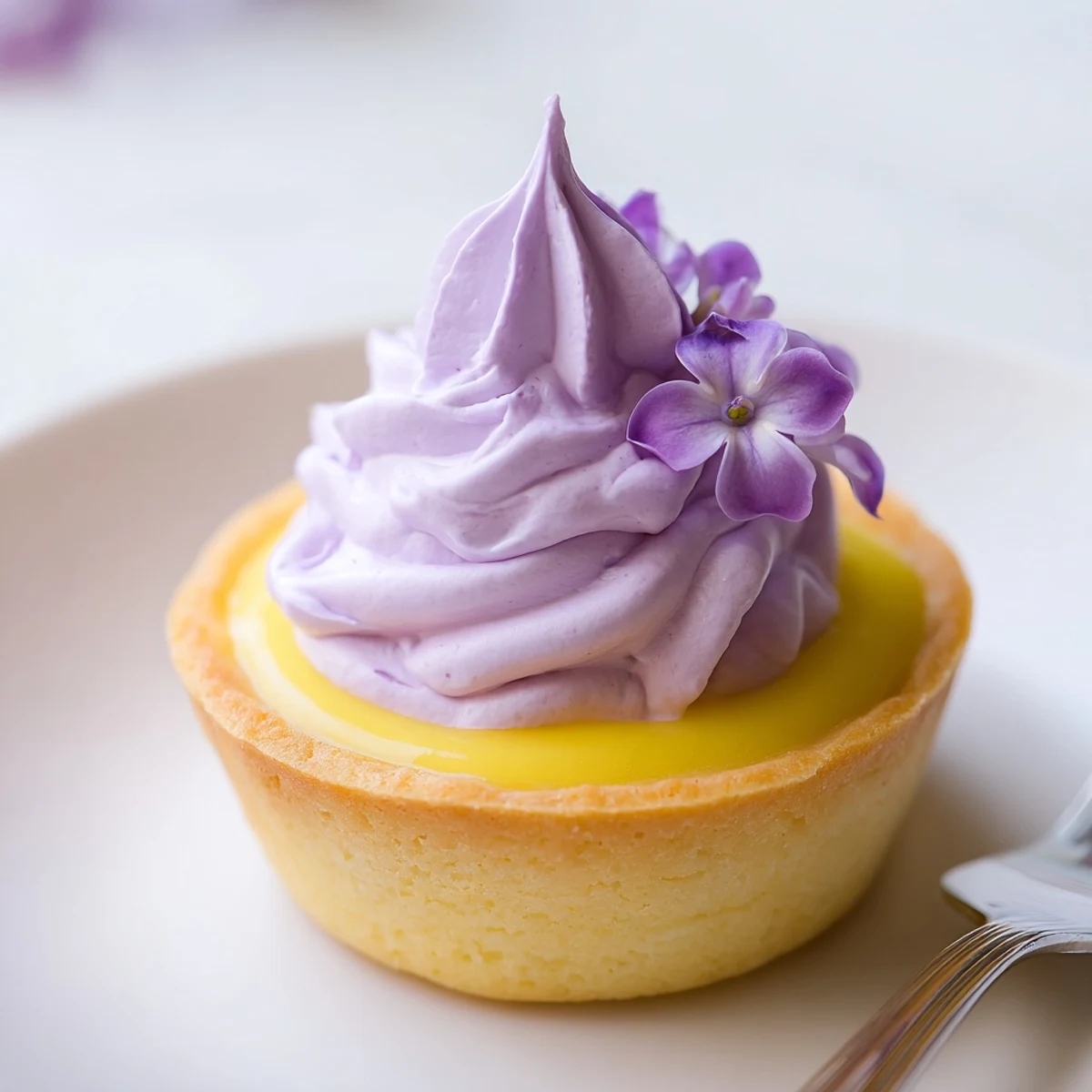
 These elegant miniature tarts combine buttery crisp shells with silky tangy lemon curd, finished with cloud-like lilac-infused meringue. The floral notes add subtle sophistication to this classic French-inspired dessert, perfect for spring gatherings or afternoon tea.
The first time I made these tiny tarts, I had just picked fresh lilacs from my neighbor's overflowing bush. She caught me mid-snatch and laughed, telling me to take as many as I wanted. That afternoon, my whole kitchen smelled like spring had exploded everywhere.
I served these at my book club last spring, and everyone went quiet for that first bite. Someone said it tasted like eating a gardenshed sunset. Now they request them every time the lilacs bloom.
Ingredients
- 1 1/4 cups (160 g) all-purpose flour: Cold flour keeps the tart shells tender and prevents them from shrinking during baking
- 1/4 cup (30 g) powdered sugar: Dissolves beautifully into the dough for a delicate, cookie-like crust
- 1/2 cup (115 g) unsalted butter, cold, cubed: Keeping it ice-cold creates those flaky layers that make pastry so irresistible
- 1 large egg yolk: Richness and structure in one golden package
- 1–2 tbsp cold water: Add gradually until the dough just barely comes together
- Pinch of salt: Wakes up all the other flavors
- 2 large eggs plus 2 large egg yolks: The yolks make the curd silky while whole eggs provide body
- 2/3 cup (135 g) granulated sugar: Just enough to tame the lemons natural acidity
- 1/2 cup (120 ml) fresh lemon juice: About three lemons should do it, and please use fresh
- 2 tsp finely grated lemon zest: This is where all those bright citrus oils live
- 1/3 cup (75 g) unsalted butter, cut into pieces: Whisked in at the end for impossibly smooth curd
- Pinch of salt: Makes everything taste more like itself
- 2 large egg whites, at room temperature: Room temp whites whip up faster and hold their shape better
- 1/2 cup (100 g) granulated sugar: Added slowly helps stabilize the meringue
- 1/4 tsp cream of tartar: Insurance against weeping meringue
- 1 tbsp lilac syrup: The secret ingredient that makes people ask whats in this
- Edible lilac blossoms: Pretty on top, but make sure they havent been sprayed with anything
Instructions
- Crisp the tart shells:
- Preheat your oven to 350°F (175°C) while you work. In a bowl, whisk together flour, powdered sugar, and salt until combined. Cut in that cold butter until the mixture looks like coarse crumbs—some pea-sized pieces are perfect. Add the egg yolk and one tablespoon of cold water, mixing gently until the dough just comes together in a shaggy mass. Add more water only if needed, a teaspoon at a time.
- Press and bake:
- Divide the dough into six equal portions and press each directly into a 4-inch mini tart pan, working the dough up the sides. Trim any excess and prick the bottoms all over with a fork. Freeze for 10 minutes—this step prevents shrinking—then bake for 15–18 minutes until deeply golden. Let them cool completely in the pans.
- Whisk up bright curd:
- In a saucepan, whisk together eggs, yolks, sugar, lemon juice, zest, and salt until smooth. Cook over medium-low heat, stirring constantly without stopping, until thickened enough to coat the back of a spoon, about 6–8 minutes. Youll feel it suddenly transform from thin to silky. Remove from heat immediately.
- Smooth and chill:
- Whisk in the butter pieces one at a time until melted and emulsified. Pour the curd through a fine-mesh strainer into a clean bowl—this catches any cooked egg bits. Press plastic wrap directly onto the surface to prevent a skin from forming, then refrigerate for at least one hour until set.
- Fill the shells:
- Spoon or pipe the chilled lemon curd into the cooled tart shells, mounding it slightly in the center. Smooth the tops with an offset spatula or the back of a spoon. At this point, you can refrigerate the filled tarts for up to 4 hours before topping.
- Fluff up meringue:
- In a scrupulously clean bowl, beat egg whites with cream of tartar until soft peaks form. Gradually sprinkle in the sugar while beating, continuing until you have stiff, glossy peaks that hold their shape when you lift the beaters. Beat in the lilac syrup until combined.
- Top and torch:
- Spoon or pipe the meringue onto each tart, creating swoops and peaks. Use a kitchen torch to lightly brown the meringue until it has toasted edges and marshmallow-soft centers. Garnish with fresh lilac blossoms if you have them.
 Pin This
 My mother-in-law took one bite and announced she was ruined for all other desserts. She texted me the next morning asking if I had any lilac syrup to spare.
Making It Your Way
Spring brings different flowers to different places. If lilacs arent in season, elderflowers give a similar delicate sweetness. I once used rose water and the tarts became something entirely different but equally lovely. Even plain meringue works—the lemon curd carries enough flavor on its own.
Timing Is Everything
The beauty of this recipe is that nearly everything can be done ahead. Bake the shells and make the curd up to two days in advance. Store them separately in the refrigerator. When youre ready to serve, just whip the meringue, assemble, and torch. The contrast between cold curd and warm, toasted meringue is worth the last-minute effort.
Serving Suggestions
These tarts are rich enough to stand alone, but a splash of something cold and effervescent cuts through the sweetness. A glass of Moscato dAsti balances the floral notes beautifully. For something non-alcoholic, sparkling lemonade with a sprig of mint echoes the citrus while refreshing the palate between bites.
- Use a kitchen torch instead of the broiler—you have more control and wont accidentally warm the lemon curd
- If your lilac syrup is very concentrated, start with half and taste before adding more
- Leftover meringue can be baked at 200°F for 90 minutes to make crisp meringue cookies
 Pin This
 These little tarts capture everything I love about spring cooking—simple ingredients, a touch of whimsy, and that first bite that makes everyone pause.
Questions & Answers
- → Can I make the components ahead of time?
-
Yes, both the tart shells and lemon curd can be prepared one day in advance. Store shells at room temperature in an airtight container and refrigerate the curd. Assemble with fresh meringue just before serving for optimal texture.
- → What can I substitute for lilac syrup?
-
Elderflower syrup makes an excellent alternative, offering similar delicate floral notes. Alternatively, use food-grade lavender extract sparingly, or omit the floral element entirely for classic lemon meringue tarts.
- → How do I know when the lemon curd is thick enough?
-
The curd is ready when it coats the back of a wooden spoon and leaves a clear path when you run your finger through it. This typically takes 6–8 minutes over medium-low heat. Don't rush this step—proper thickening ensures the filling holds its shape.
- → Do I need a kitchen torch for the meringue?
-
A kitchen torch creates beautifully browned peaks, but it's optional. You can also place the assembled tarts under a broiler for 30–60 seconds, watching closely to prevent burning. Alternatively, serve the meringue untoasted for a purely white presentation.
- → How long will these tarts keep?
-
Best enjoyed within 4 hours of assembly, as the meringue gradually begins to weep. The unfilled shells and lemon curd will keep well for 2–3 days when stored separately. Serve at room temperature for the most delicate texture.