
 Pin This
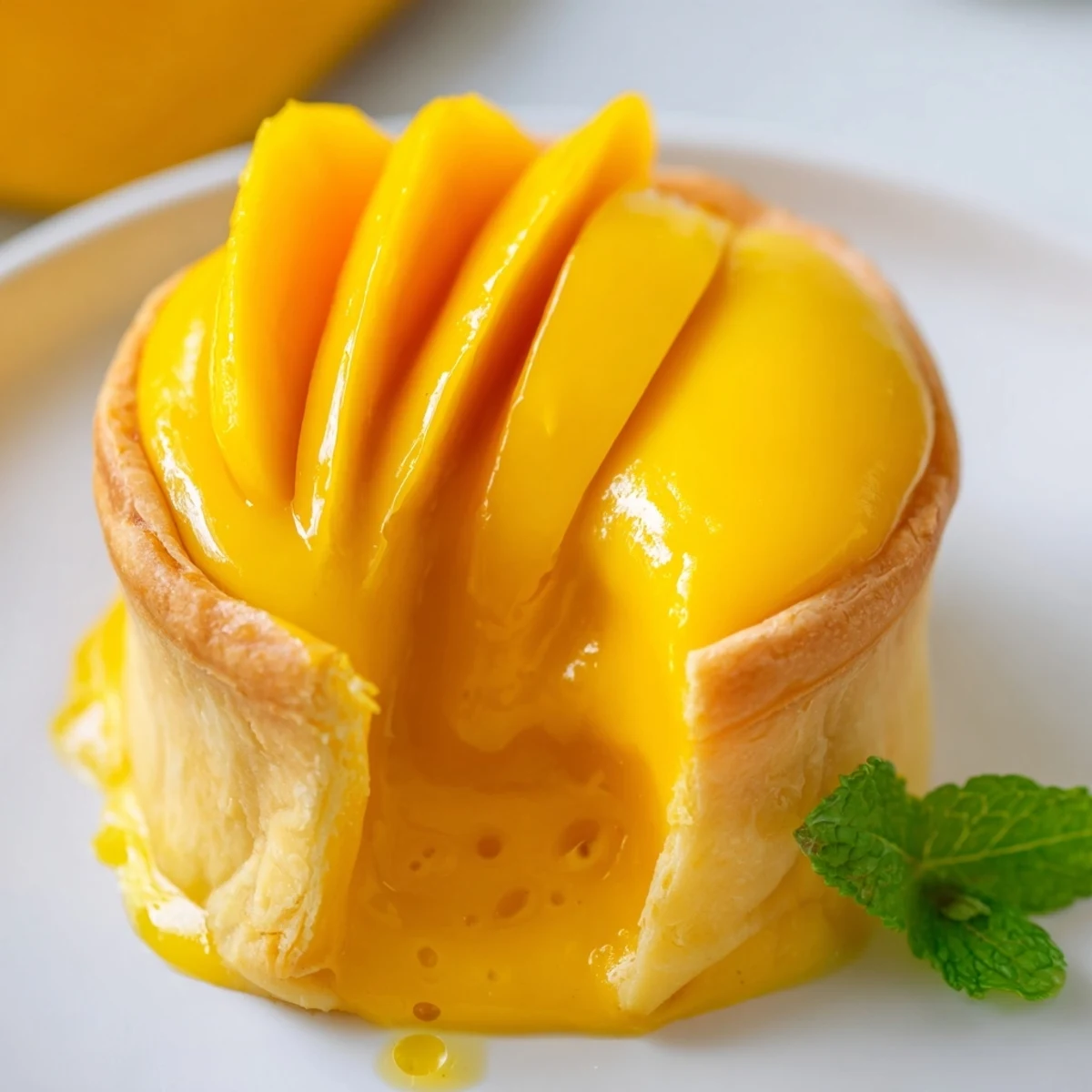
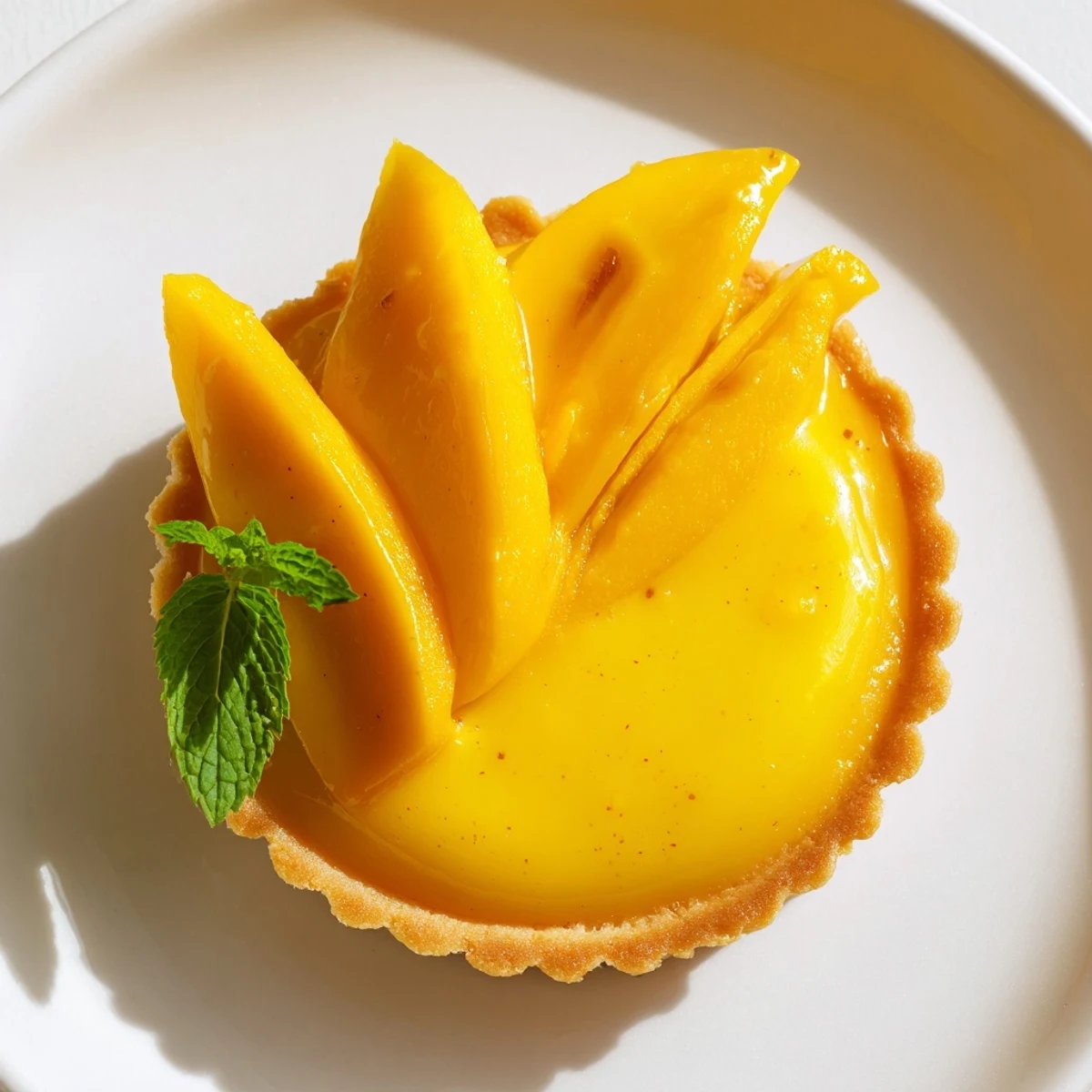
 This elegant dessert features a handmade buttery pastry crust filled with velvety smooth mango curd. The process involves creating a traditional shortbread-style crust, then crafting a silky curd from fresh mango puree, eggs, and lime juice. The curd is cooked gently until thickened, then strained for extra silkiness before being poured into the pre-baked shell. After chilling until set, the tart emerges with a perfect balance of sweet tropical mango and bright citrus notes, all encased in a tender, golden crust. The final result is a stunning dessert that captures the essence of summer in every bite.
The first time I made mango curd, I stood over the stove stirring this vibrant orange mixture, absolutely mesmerized by how it transformed from loose and liquid to something glossy and thick. It happened on a whim—mangoes were on sale at the market, and I’d been craving something that tasted like pure sunshine. That spontaneous batch never even made it into a tart shell; we ate it warm with spoons, standing right there in the kitchen.
I brought this tart to a friends birthday dinner last July, right when mangoes were hitting their peak sweetness. Someone took one bite and literally stopped mid-conversation, eyes closed, just savoring it. The table went quiet for a second before everyone started asking for the recipe. Thats when I knew this wasnt just a dessert—it was a moment.
Ingredients
- 1 1/4 cups all-purpose flour: This forms the structure of your crust; keep it cold and handle it gently for the most tender results
- 1/2 cup unsalted butter, cold and cubed: Cold butter creates those flaky layers; warm butter makes a tough crust, so keep it chilled until the moment it hits the flour
- 1/4 cup powdered sugar: Powdered sugar dissolves more easily than granulated, giving you a tender, cookie-like crust without grittiness
- 1/4 tsp fine sea salt: Just enough to balance the sweetness and make all the flavors pop
- 1 egg yolk: Adds richness and helps bind the dough together
- 2 tbsp ice-cold water: Brings the dough together; add it gradually and stop as soon as the dough holds
- 3/4 cup fresh mango puree: Use ripe mangoes that yield slightly when pressed; they should smell fragrant and sweet
- 2/3 cup granulated sugar: Sweetens and helps the curd set properly; dont reduce this or your texture might suffer
- 2 large eggs plus 2 yolks: The extra yolks create that incredibly lush, creamy texture
- 1/4 cup freshly squeezed lime juice: Cuts through the richness and makes the mango flavor sing brighter
- 1/4 cup unsalted butter, cubed: Whisked in at the end, this transforms the curd into something velvety and luxurious
Instructions
- Make the crust dough:
- Pulse the flour, powdered sugar, and salt in a food processor until combined, then add the cold butter and pulse until you see coarse, pea-sized crumbs throughout. Add the egg yolk and ice water, pulsing just until the dough starts to clump together—it should look shaggy, not smooth.
- Chill the dough:
- Turn the dough out onto a lightly floured surface and gently press it into a disk, handling it as little as possible. Wrap it tightly in plastic and refrigerate for at least 30 minutes; this relaxes the gluten and prevents the crust from shrinking during baking.
- Prep your oven and pan:
- Preheat your oven to 350°F and get your tart pan ready. Roll the chilled dough out to a circle about 11 inches across, then carefully drape it over your tart pan, pressing it gently into the bottom and up the sides. Trim any excess by rolling your pin across the top, then prick the base all over with a fork.
- Blind bake the crust:
- Line the crust with parchment paper and fill it with pie weights or dried beans, which keeps the dough from puffing up or slumping. Bake for 15 minutes, then carefully remove the paper and weights and bake for another 10–12 minutes until the bottom is golden and set. Let it cool completely before filling.
- Cook the mango curd:
- Whisk together the mango puree, sugar, eggs, egg yolks, and lime juice in a medium saucepan until smooth. Set it over medium-low heat and stir constantly—dont walk away—until the mixture thickens enough to coat the back of a spoon, about 8–10 minutes. Youll feel it transform under your whisk.
- Add the butter:
- Remove the pan from the heat and immediately whisk in the cubed butter, one piece at a time, until each addition disappears into the warm curd. This is where it becomes impossibly glossy and smooth.
- Strain and cool:
- Push the curd through a fine-mesh sieve into a clean bowl to catch any bits of cooked egg; this step is non-negotiable for that silky texture. Let it cool for about 10 minutes, but dont let it get completely cold or it will be hard to pour.
- Assemble the tart:
- Pour the slightly cooled mango curd into your completely cooled tart shell, smoothing the top with an offset spatula or the back of a spoon. Refrigerate for at least 1 hour, or until the curd is set and firm to the touch.
- Garnish and serve:
- Top with fresh mango slices, mint leaves, or edible flowers right before serving. The tart tastes best when its had time to chill but isnt refrigerator-cold—about 30 minutes at room temperature is ideal.
 Pin This
 My aunt tasted this tart and immediately declared it was better than any lemon tart shed ever had. She kept going back for sliver after sliver, claiming she was just testing for consistency. Now it shows up at every family gathering, and I dont mind one bit.
Making Ahead Like a Pro
The mango curd actually benefits from resting overnight in the refrigerator—the flavors deepen and meld together beautifully. You can make the crust dough up to two days ahead, just keep it wrapped tightly and chilled. The fully assembled tart holds up well for a day, though the crust will gradually lose its crisp edge the longer it sits.
Choosing the Best Mangoes
Ive learned that not all mangoes are created equal when it comes to curd. Ataulfo or champagne mangoes are my go-to because theyre incredibly creamy and less fibrous than other varieties. Give them a gentle press—they should yield slightly like a ripe avocado—and sniff the stem end; thats where the sweet fragrance concentrates. If your mangoes arent quite ripe, let them sit on the counter for a day or two; rock-hard mangoes wont give you that lush, tropical flavor youre after.
Serving Suggestions
This tart is stunning on its own, but a dollop of lightly sweetened whipped cream on the side never hurt anyone. A late-harvest Riesling or a muscat wine echoes the tropical notes perfectly.
- Top each slice with a tiny pinch of flaky sea salt—it sounds strange but it makes the mango flavor explode
- If you want to get fancy, brûlée the top with a kitchen torch for a crackly caramelized sugar crust
- The curd is incredible on its own; save any extra for toast, yogurt, or just eating straight from the spoon
 Pin This
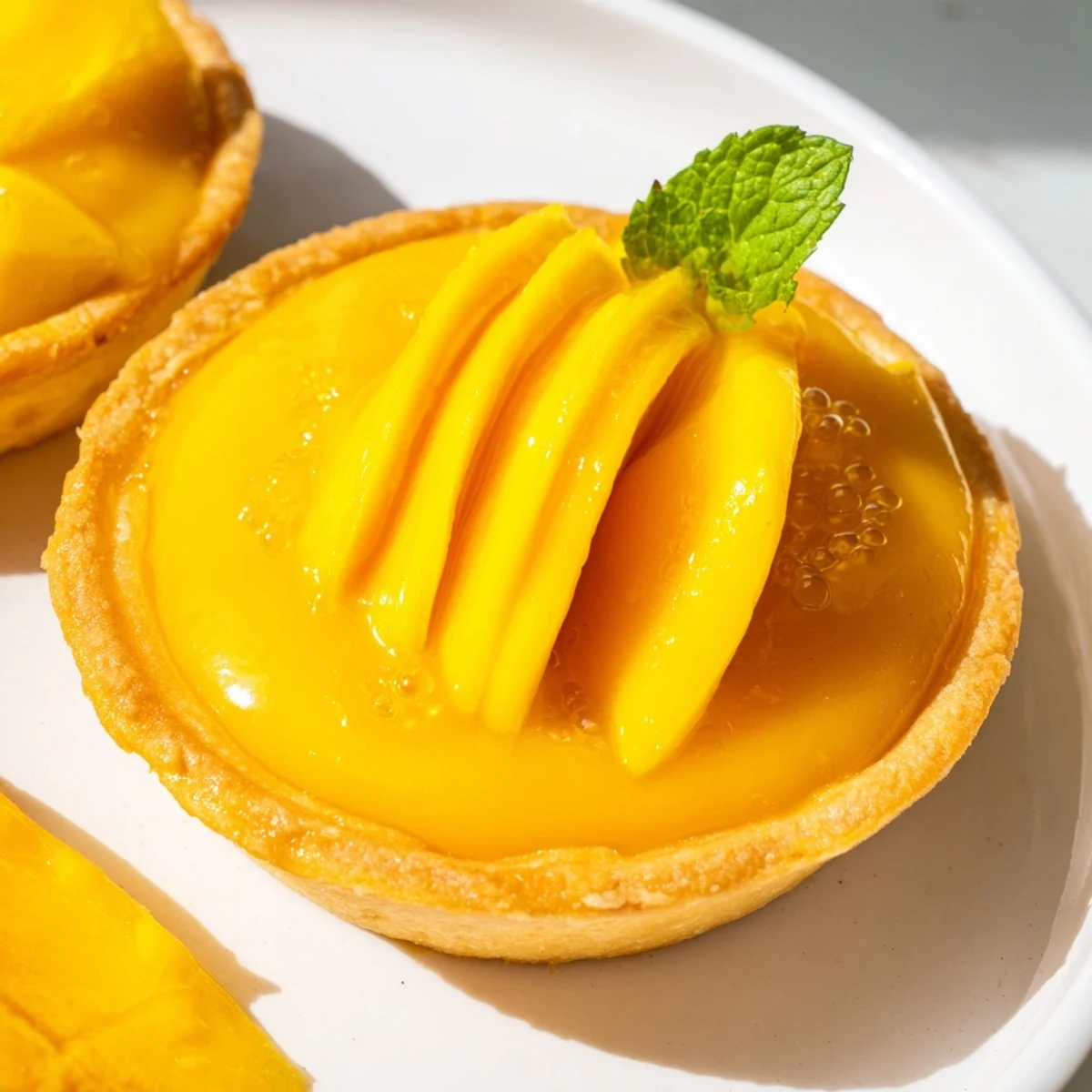
 Theres something about a fruit tart that feels like a celebration, even on a random Tuesday. This one brings sunshine to the table no matter the weather.
Questions & Answers
- → How far in advance can I make this mango tart?
-
You can prepare the mango curd up to 24 hours ahead and store it refrigerated in an airtight container. The baked crust can also be made a day in advance. However, for the best texture, assemble the tart no more than 4-6 hours before serving, as prolonged chilling can make the crust soften.
- → Can I use frozen mango puree instead of fresh?
-
Yes, frozen mango puree works beautifully in this curd. Thaw it completely before using and strain it to remove any fibrous pieces for the smoothest texture. The flavor will still be excellent, though fresh mango at peak ripeness offers the brightest tropical notes.
- → Why do I need to strain the mango curd?
-
Straining the cooked curd through a fine-mesh sieve removes any bits of cooked egg and ensures an incredibly silky, smooth texture. This step is especially important if your mango puree had any fibrous pieces. It takes just a minute but makes a noticeable difference in the final consistency.
- → How do I know when the mango curd is thick enough?
-
The curd is ready when it coats the back of a spoon and you can draw a line through it that doesn't immediately fill in. This typically takes 8-10 minutes of constant stirring over medium-low heat. Remember it will continue to thicken slightly as it cools, so don't overcook.
- → Can I make this tart gluten-free?
-
Absolutely. Substitute the all-purpose flour in the crust with a high-quality gluten-free flour blend in a 1:1 ratio. The rest of the ingredients are naturally gluten-free. Keep in mind that gluten-free crusts can be more delicate to handle, so chill it thoroughly before rolling.
- → What's the best way to store leftover mango tart?
-
Store the tart loosely covered in the refrigerator for up to 2 days. The crust will gradually soften from the moisture in the curd, but it will still taste delicious. For longer storage, you can freeze the unfilled baked crust for up to 3 months and the curd for up to 1 month.