
 Pin This
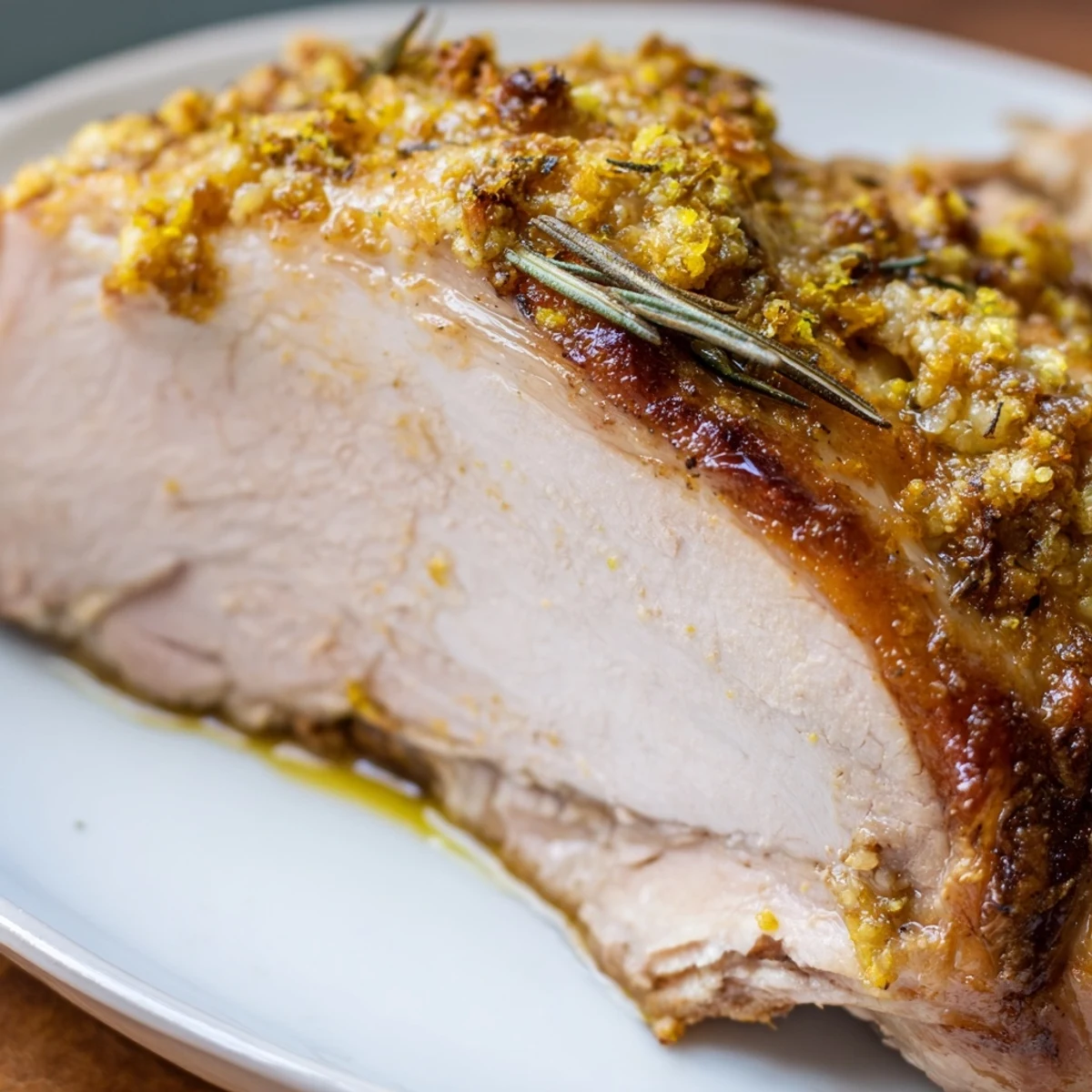
 This dish features a boneless turkey breast rubbed with a vibrant blend of fresh lemon juice, lemon zest, garlic, and a medley of herbs including parsley, thyme, and rosemary. After seasoning generously and placing on a bed of lemon and onion slices, the turkey is roasted until tender and juicy. Basting with pan juices ensures a moist finish. Let resting time allow flavors to meld before slicing. Ideal for elegant dinners or festive occasions.
My neighbor brought over a roasted turkey breast one December evening, and I watched her slice into it at the kitchen counter—golden skin crackling, steam rising, the smell of lemon and herbs filling the entire apartment. I asked for her secret, and she laughed, saying it was nothing complicated, just good timing and fresh citrus rubbed under the skin. That night changed how I thought about turkey; it didn't have to be a whole bird or a holiday obligation. It could be elegant, manageable, and ready in less than two hours.
I made this the first time for a dinner party when I was nervous about hosting, and it became my comfort recipe. The prep was done an hour before guests arrived, which meant I could actually sit down instead of panicking in the kitchen. Everyone asked how long I'd been cooking turkey, and I loved being able to say, "Not long—just enough time to do it right."
Ingredients
- Boneless, skin-on turkey breast (3 to 4 lbs): The skin-on part is non-negotiable because it crisps beautifully and protects the meat underneath from drying out.
- Olive oil: Use your good oil here; it's the base of your marinade and tastes like it on the finished bird.
- Fresh lemon juice and zest: Don't skip the zest—that's where the bright, fragrant lemon flavor lives, and it makes a real difference.
- Garlic, parsley, thyme, and rosemary: Fresh herbs are worth buying for this dish because they perfume the meat as it roasts, creating something you truly can't replicate with dried versions.
- Kosher salt and black pepper: These season everything evenly when mixed into the oil, and they cling to the herb mixture perfectly.
- Lemon slices and onion: These create a fragrant bed in the pan that keeps the meat from sticking and seasons the pan juices naturally.
- Low-sodium chicken broth: Just enough to keep the bottom of the pan moist and prevent burning—it becomes your sauce.
Instructions
- Prep your pan and oven:
- Heat your oven to 375°F and arrange those lemon and onion slices on the bottom of your roasting pan like you're making a raft for the turkey to sail on. It sounds small, but this one step keeps everything from sticking and flavors your pan juices from the start.
- Build your herb oil:
- Whisk together the olive oil, lemon juice, zest, minced garlic, and all those fresh herbs in a small bowl until it looks like a loose, fragrant paste. Smell it—that's the aroma that's about to cling to your turkey.
- Massage it in:
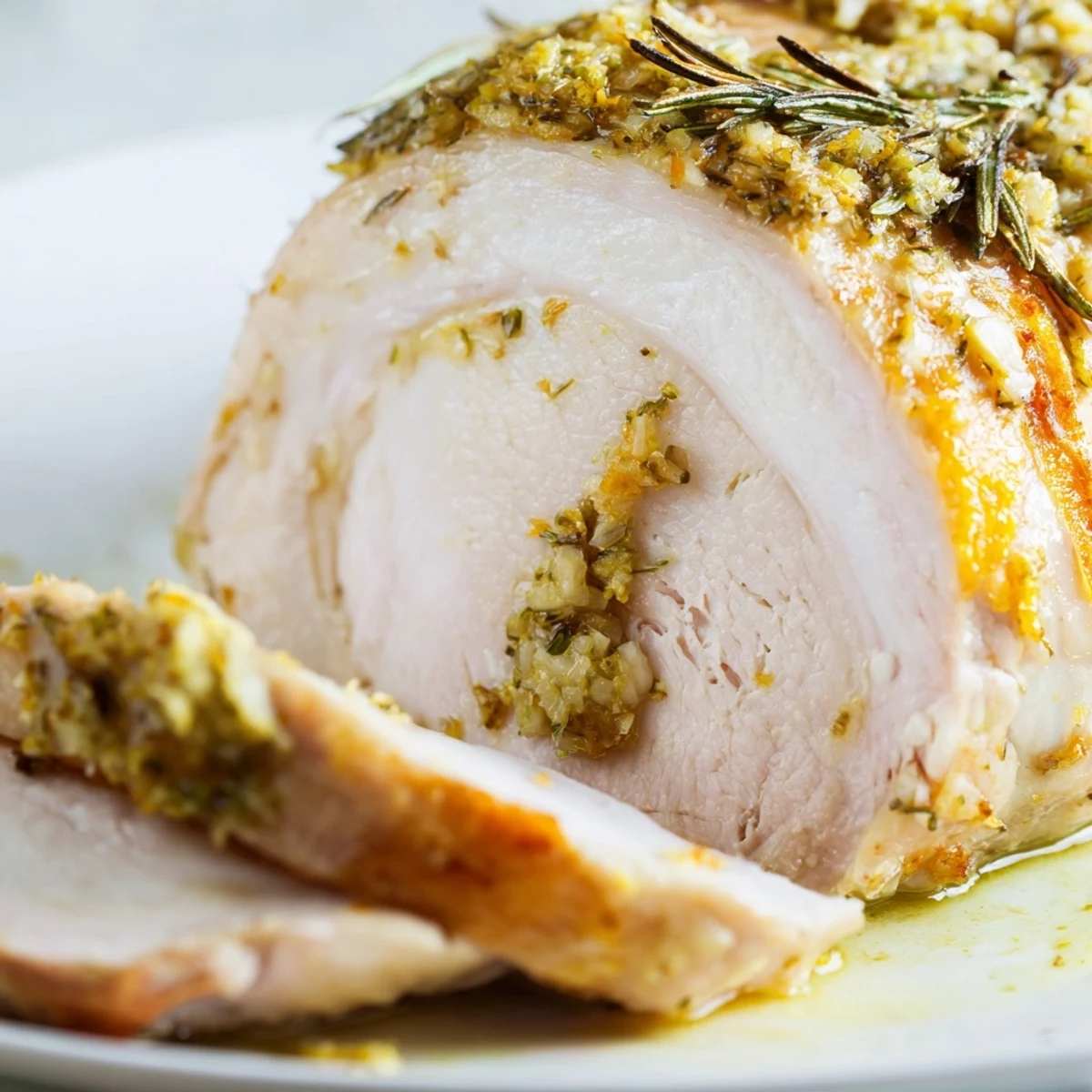
- Pat your turkey breast dry, then rub that herb mixture all over it, and here's the trick nobody tells you: gently separate the skin from the meat in a few places and work some of that seasoning underneath. You're creating a flavor barrier that protects the meat and infuses it as it roasts.
- Add liquid and roast:
- Pour the broth into the pan (not over the turkey), then slide everything into the oven. For a 3 to 4 pound breast, you're looking at about 1 hour and 15 minutes—a meat thermometer inserted into the thickest part should read 165°F when it's done.
- Baste and watch the skin:
- About halfway through, open the oven and spoon those pan juices over the turkey; this keeps everything moist and helps the skin color beautifully. If the skin is browning too fast, loosely tent it with foil and keep roasting.
- Rest before carving:
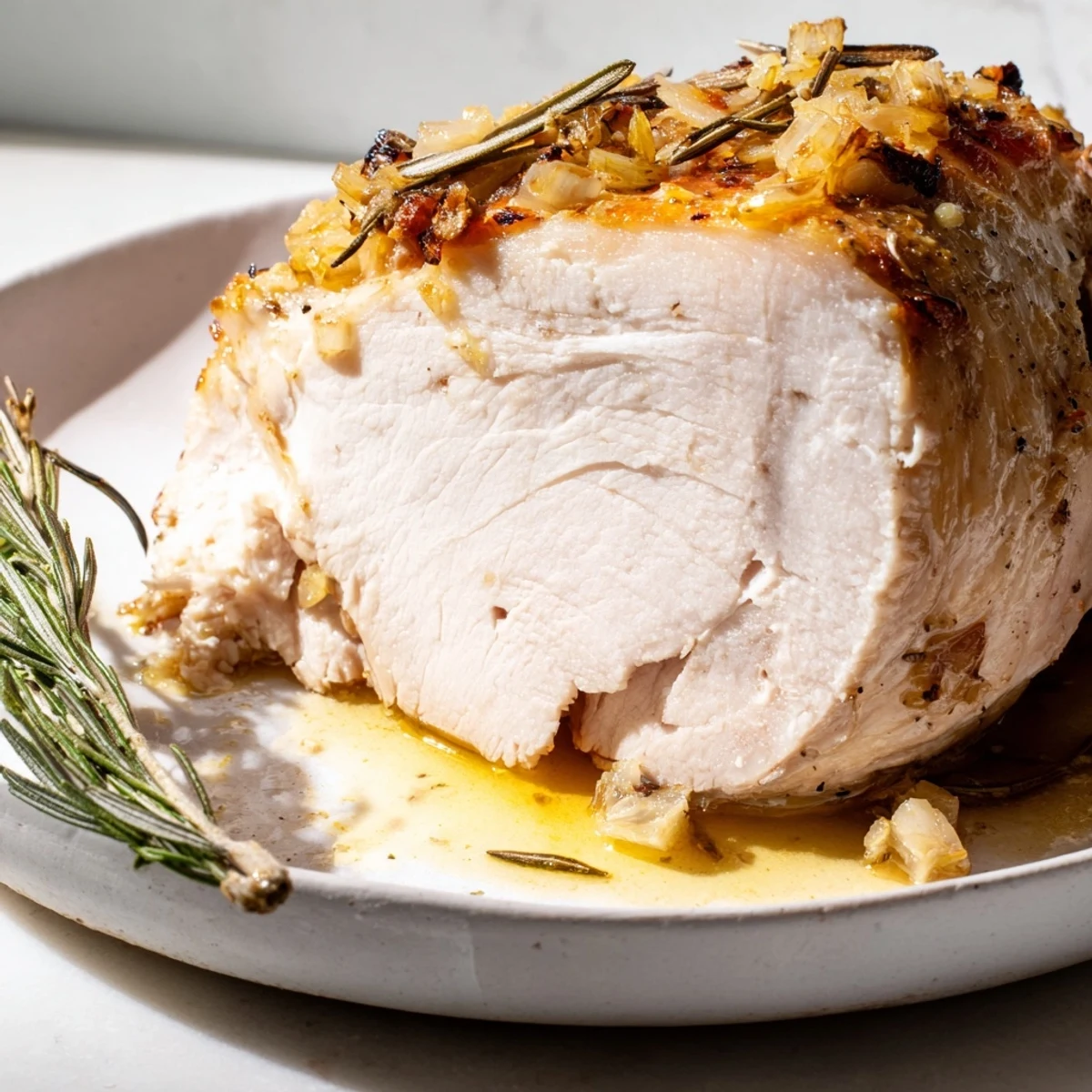
- Once it hits 165°F, pull it out and let it sit for 10 to 15 minutes—this is when the juices redistribute through the meat and make every slice tender. Don't skip this step; it's the difference between good and perfect.
 Pin This
 The first time my daughter tasted this, she said it was the first time she'd actually liked turkey—not the obligatory holiday version, but something that tasted like it was made with care. That moment made me realize this recipe isn't just about technique; it's about showing up for the people you're feeding.
Making It Your Own
This is a template, not a boundary. If you love tarragon more than thyme, swap it in. Prefer lime to lemon? It works beautifully. I've made this with added garlic scapes in spring and fresh dill in summer—the herb combination is flexible as long as you're thinking about fresh, bright flavors. The structure stays the same; the personality is yours to build.
Pairing and Serving
I've served this alongside roasted root vegetables, over a bed of greens with the pan juices as dressing, and even sliced cold the next day with good bread and mustard. The meat is forgiving enough to pair with almost anything, but the pan juices deserve respect—pour them over whatever is on the plate. A crisp Chardonnay or Sauvignon Blanc feels natural alongside it, but honestly, this isn't fussy food.
Storage and Leftovers
Sliced turkey keeps beautifully in the fridge for three days, and the pan juices can be refrigerated for two days or frozen for a month. I've reheated slices gently in a 300°F oven with a splash of broth, and they come back tender and flavorful. Cold sliced turkey with mustard and fresh herbs is honestly just as good as the hot version.
- Store any leftovers in an airtight container with the pan juices poured over to keep the meat moist.
- Shredded cold turkey makes exceptional salads, sandwiches, or grain bowls the next day.
- If you made extra pan juices, freeze them and use them as a base for soup or sauce later.
 Pin This
 This recipe has become one I reach for when I want to feel like a confident cook without spending the entire day in the kitchen. That feeling of slicing into golden skin and knowing it's going to be perfect every time—that's what keeps me coming back to it.
Questions & Answers
- → What temperature should the turkey breast be roasted at?
-
Roast the turkey breast at 375°F (190°C) for approximately 1 hour 15 minutes until the internal temperature reaches 165°F (74°C).
- → How can I ensure the turkey breast stays moist while roasting?
-
Baste the turkey with pan juices halfway through roasting and consider tenting with foil if the skin browns too quickly to retain moisture.
- → Can I prepare the turkey breast in advance?
-
Marinating the turkey breast overnight in the refrigerator enhances flavor and juiciness.
- → What herbs complement the lemon and garlic flavors best?
-
Fresh parsley, thyme, and rosemary combine beautifully with lemon and garlic for a balanced fragrant profile.
- → What dishes pair well with roasted turkey breast?
-
Serve alongside roasted vegetables, a light salad, and crisp white wines such as Chardonnay or Sauvignon Blanc for a complete meal.