
 Pin This
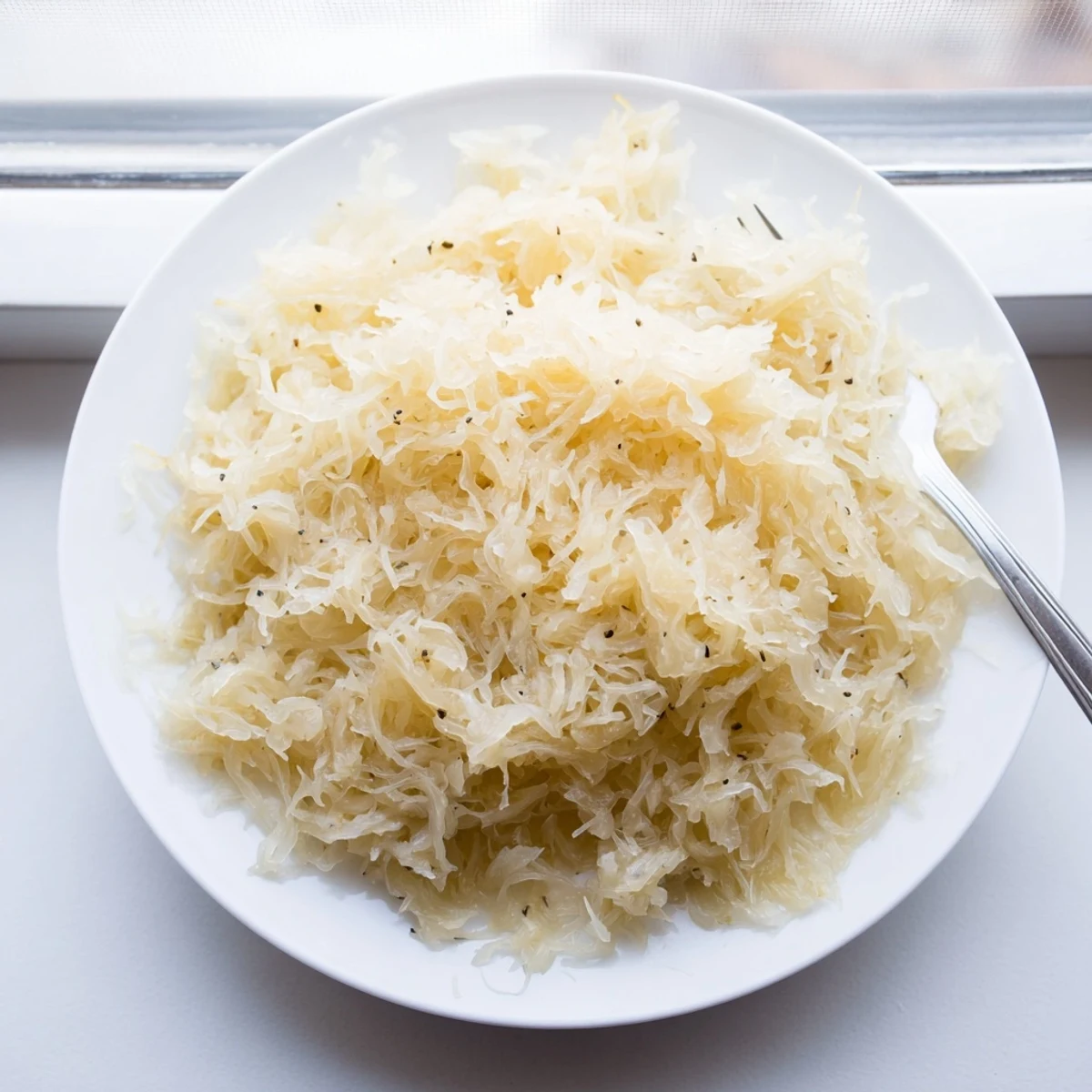
 Create authentic German sauerkraut using time-honored fermentation techniques. Finely shredded cabbage combines with sea salt to develop naturally occurring beneficial bacteria, resulting in tangy, crisp perfection. The process requires patience—allowing wild fermentation to work its magic over one to three weeks. Versatile as a condiment, side dish, or ingredient, this traditional preparation delivers both exceptional flavor and gut-nourishing probiotics.
The smell hit me before anything else: sharp, electric, unmistakably alive. My neighbor Frau Keller had sent me home with a jar of her homemade sauerkraut, and I stood in my kitchen holding it like a small treasure, already knowing store bought would never satisfy me again. That jar sat in my fridge for exactly three days before I decided I had to learn the craft myself. I bought two massive heads of cabbage the very next morning.
My first batch bubbled over onto the counter on day five, and I panicked, convinced I had poisoned everyone I loved. A quick phone call to Frau Keller settled the matter: bubbling meant it was working, and I should stop worrying and start tasting.
Ingredients
- 2 kg white cabbage: Choose firm, heavy heads with tightly packed leaves, as fresher cabbage releases more juice during massaging.
- 30 g fine sea salt: The salt draws out moisture and creates the brine that protects your ferment, so measure carefully and never use iodized salt.
- 1 tablespoon caraway seeds (optional): These add a warm, earthy depth that is traditional in many German households.
- 1 grated carrot or thinly sliced apple (optional): A lovely way to introduce gentle sweetness and color variation into your batch.
Instructions
- Prep the Cabbage:
- Peel away any wilted or damaged outer leaves, then quarter the cabbage and carve out the tough core before slicing it as thinly and evenly as you can manage.
- Salt and Massage:
- Toss the shredded cabbage with salt in a large bowl, then work it with your hands for five to ten minutes until it softens and pools of liquid begin forming at the bottom.
- Add Optional Flavors:
- Scatter in caraway seeds, grated carrot, or apple slices if you are using them, mixing gently so everything is evenly distributed.
- Pack the Jar:
- Transfer the cabbage and all its liquid into your sterilized crock or jar, pressing down hard with your fists until the cabbage sits completely beneath its own brine.
- Weigh It Down:
- Set a fermentation weight or a water filled jar on top to keep everything submerged, because anything exposed to air invites trouble.
- Cover and Wait:
- Drape a cloth over the opening or attach a fermentation lid, then find a cool, dark corner and let time do the real work for one to three weeks.
- Taste and Store:
- Start tasting after seven days, and once the tang hits the note you love, move the jar to the fridge to slow fermentation to a crawl.
 Pin This
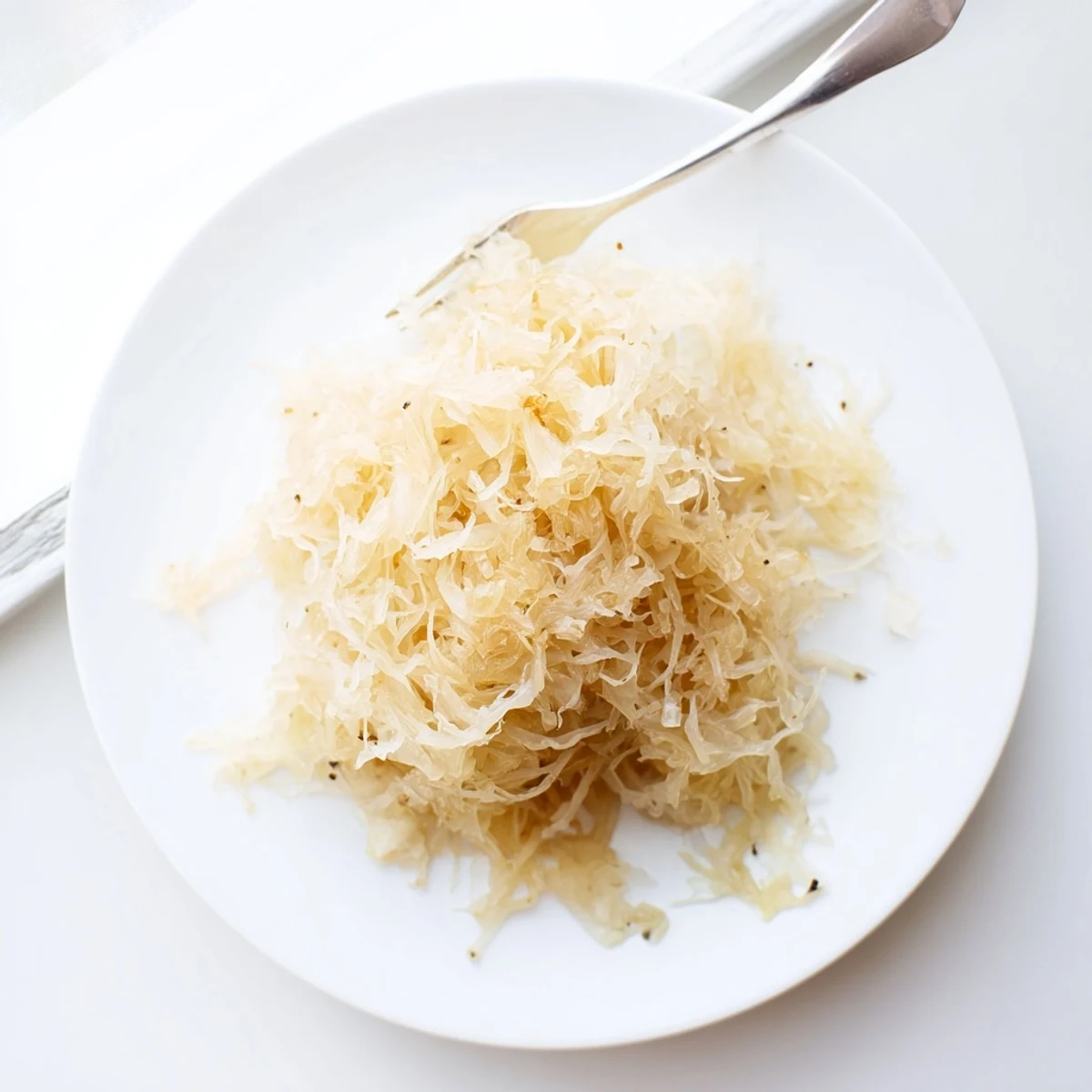
 Bringing a jar of homemade sauerkraut to a dinner party became my unexpected signature move, and friends who once wrinkled their noses at fermented cabbage now ask me to save them a portion from every batch.
What to Serve It With
Piled next to bratwurst and roasted potatoes, sauerkraut earns its place as the sharp, bright counterpoint that makes everything on the plate taste better. A cold glass of German Riesling alongside turns a simple weeknight meal into something that feels intentionally curated.
Choosing Your Fermentation Vessel
Glass jars work beautifully and let you watch the bubbles rise, which is half the fun, but a proper ceramic crock with a water seal will give you more consistent results over longer ferments. Either way, cleanliness is non negotiable: wash everything with hot soapy water and rinse thoroughly before starting.
Troubleshooting Common Issues
Even experienced fermenters run into small surprises, so do not be discouraged if your first batch is not picture perfect. Most problems have simple solutions once you know what to look for.
- If your kraut smells rotten rather than sour, something was not clean enough, and you should discard and start fresh.
- A white film on top called kahm yeast is harmless, but scoop it off promptly to keep flavors clean.
- Always taste before committing to longer fermentation, because preference varies wildly from person to person.
 Pin This
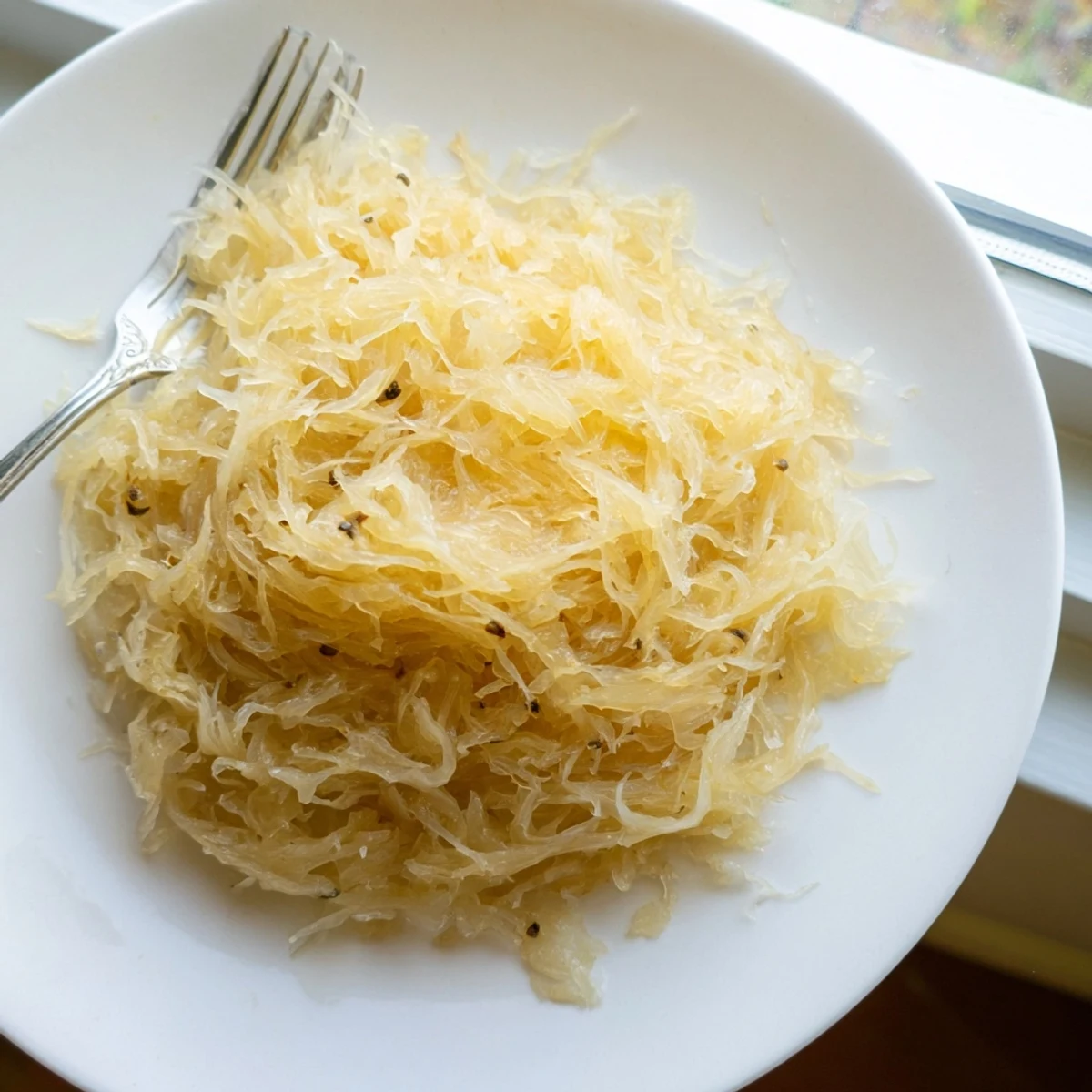
 There is something deeply satisfying about preserving food the way generations before us did, with nothing more than salt, time, and a willingness to trust the process.
Questions & Answers
- → How do I know when fermentation is complete?
-
Taste your sauerkraut after seven days of fermentation. When it reaches your desired level of tanginess and the cabbage has softened but maintains some crunch, it's ready. The flavor intensifies and develops more pronounced sourness the longer it ferments.
- → What if mold appears on the surface?
-
Surface mold can occur if cabbage isn't fully submerged. Simply skim off any mold from the top. The sauerkraut beneath should remain safe as long as it was covered by brine. Always trust your senses—if it smells off or looks unusual beyond surface mold, discard and start fresh.
- → Can I use different types of salt?
-
Fine sea salt works best due to its mineral content and dissolving properties. Avoid iodized table salt, which can inhibit fermentation. Kosher salt is acceptable but may require slight adjustment in quantity due to crystal size differences.
- → How long will sauerkraut last in storage?
-
Once refrigerated, properly fermented sauerkraut maintains quality for 6-12 months. Keep it submerged in brine and use clean utensils when serving. The cool temperature dramatically slows fermentation, preserving flavor and texture.
- → What vegetables work well as additions?
-
Classic sauerkraut uses only cabbage, but grated carrots add subtle sweetness. Thinly sliced apples introduce fruity notes that complement tanginess. Traditional German variations might include juniper berries for piney aroma or bay leaves for herbal depth.
- → Why is my cabbage not releasing enough liquid?
-
Some cabbages naturally contain less water than others. If insufficient brine forms after massaging, create a simple solution by dissolving one teaspoon sea salt in one cup filtered water, then pour over cabbage until submerged. Always use non-chlorinated water.