
 Pin This
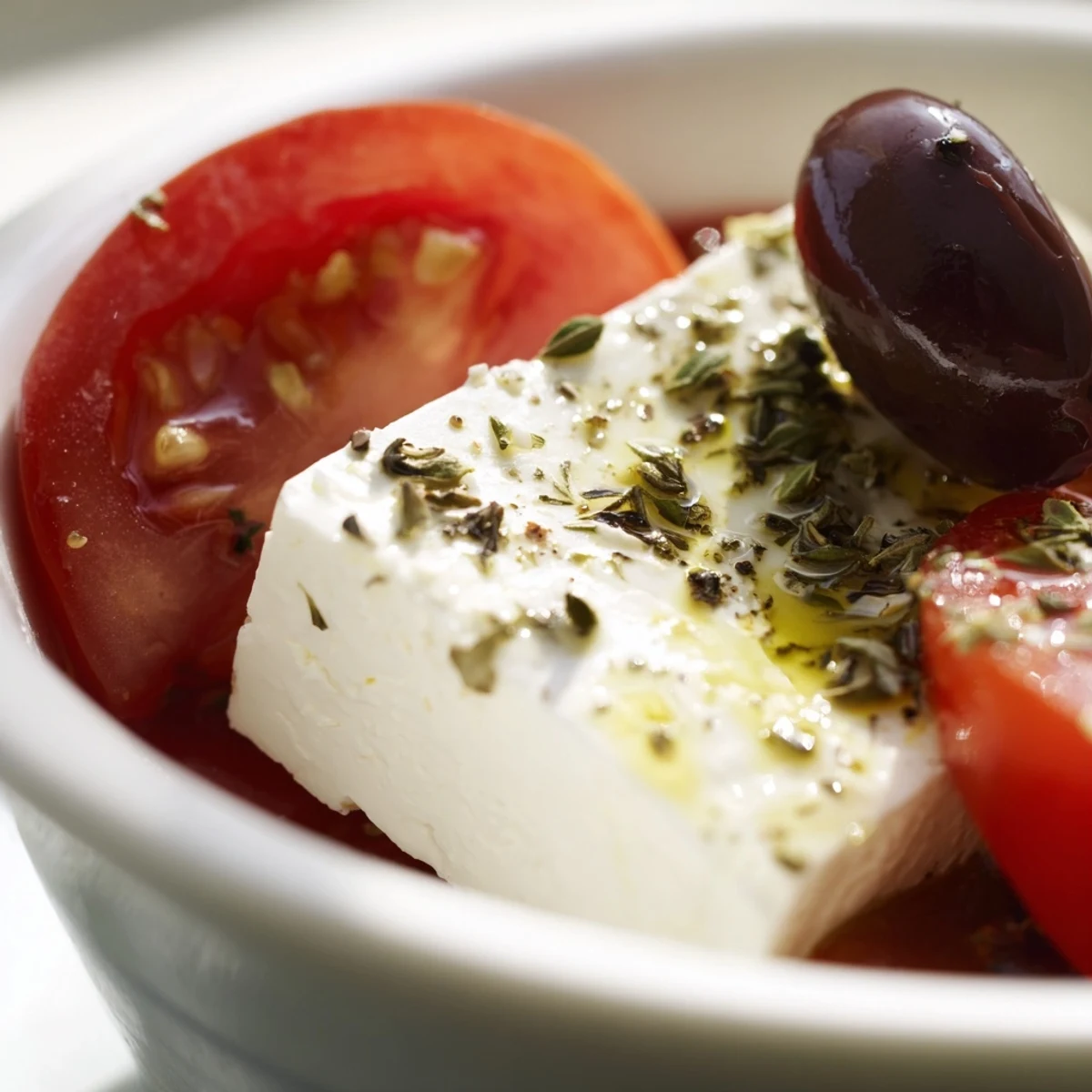
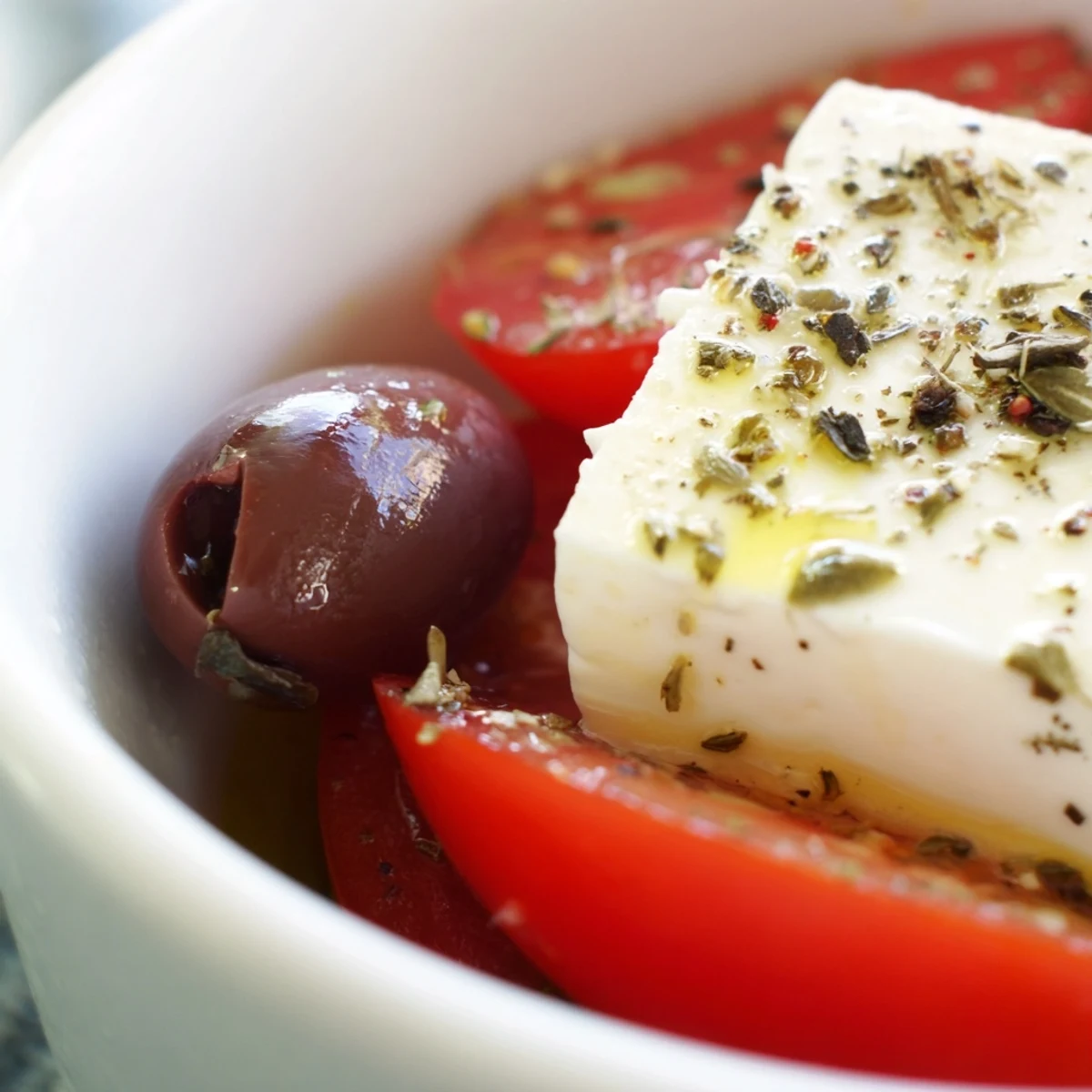
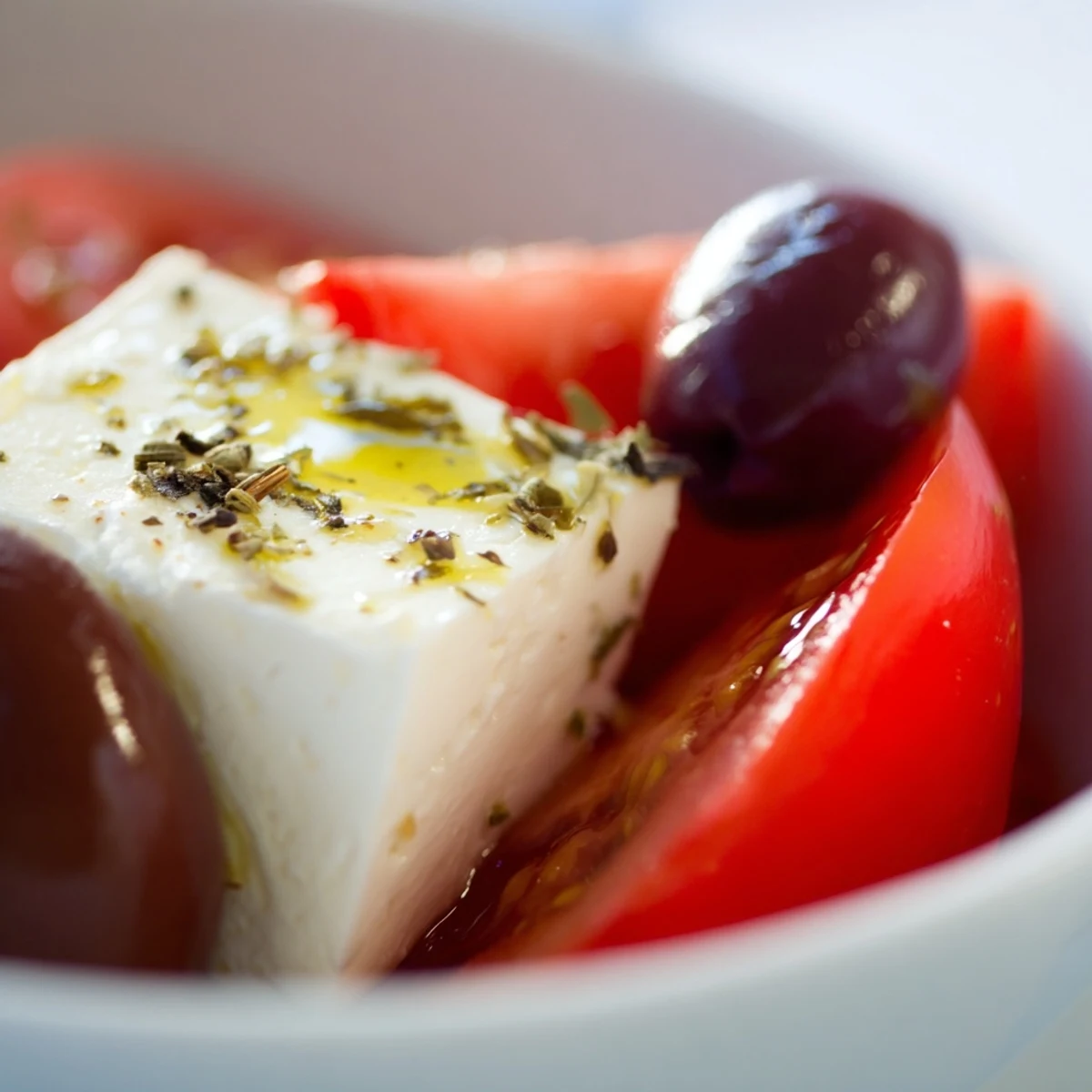
 This refreshing Greek salad combines juicy tomatoes, crisp cucumber, green bell pepper, and red onion with tangy Kalamata olives and creamy feta cheese cubes. Tossed in extra virgin olive oil enhanced with red wine vinegar, oregano, salt, and pepper, it delivers a burst of Mediterranean flavors. Garnish with fresh oregano for a fragrant touch. Ideal for a light main or a flavorful side, it’s quick to prepare and suits vegetarian and gluten-free diets.
There's something about the Mediterranean sun hitting a bowl of Greek salad that makes everything else fade away. I discovered this particular version on a quiet morning in my kitchen when I had nothing but tomatoes from the market, some feta I'd been saving, and a bottle of olive oil that smelled like summer itself. It wasn't meant to be a revelation, just lunch, but the way those salty olives played against the creamy cheese and bright vinegar made me understand why this salad has endured for centuries. Now it's my go-to when I want to feel like I'm sitting by the sea, even if I'm nowhere near it.
My neighbor once asked why I made this salad so often, and I realized I'd served it at every gathering that summer. It was the dish I could rely on when I wanted to impress without stress, and somehow it always managed to be exactly what people needed, whether they knew it or not. The beautiful thing about Greek salad is that it never feels like you're trying too hard, even when you absolutely are.
Ingredients
- Ripe tomatoes (4 large): These are the heart of everything, so choose ones that smell like tomatoes and feel heavy for their size, not those mealy ones from winter.
- Cucumber (1 large): Peeling it is optional, but I prefer the contrast of tender flesh against crisp skin, so I usually leave a few strips on.
- Red onion (1 small): Thinly sliced and slightly raw, it adds a sharp bite that makes the whole salad sing without overpowering anyone.
- Green bell pepper (1): This is where you get sweetness and crunch in equal measure, so don't skip it even though it feels like a supporting player.
- Kalamata olives (100 g): Pitted is easier for eating, but the flavor lives in that dark, briny flesh, so buy them from a good source if you can.
- Feta cheese (150 g): Creamy, salty, and slightly tangy, it's the element that transforms this from a vegetable plate into something memorable.
- Extra virgin olive oil (4 tablespoons): This is not the place to economize—a good oil makes the whole salad taste like itself, more intensely alive.
- Red wine vinegar (1 tablespoon): Sharp and complex, it cuts through the richness of the oil and cheese without being harsh.
- Dried oregano (1 teaspoon): Mediterranean in a pinch, it reminds you of hillsides and time slowing down.
Instructions
- Gather your vegetables and prep with intention:
- Cut the tomatoes into wedges, slice the cucumber so each piece catches the light, thin the red onion so it's almost translucent, and slice the bell pepper into strips that feel good in your hand. This matters more than you'd think because how the vegetables are cut affects how the dressing clings to them and how they feel in your mouth.
- Combine the vegetables gently:
- In a large bowl, add the tomatoes first, then the cucumber, onion, and bell pepper, tossing everything with a light hand so nothing gets bruised. The goal is a colorful tangle that looks inviting.
- Scatter the olives and feta:
- Add the pitted Kalamata olives and then crumble or cube the feta over the top, distributing both so every forkful has a chance of hitting something salty. This step is about generosity and visual appeal in equal measure.
- Make the dressing in a quiet moment:
- Whisk the olive oil with the red wine vinegar, add the dried oregano, and season with salt and pepper, tasting as you go because this is where the whole salad finds its voice. The dressing should smell herbal and bright, tasting like it could wake you up.
- Bring everything together:
- Pour the dressing over the salad and toss with a gentle hand, letting the flavors marry without turning anything into mush. Serve immediately or let it sit for a few minutes if you prefer vegetables that have absorbed the dressing more fully.
 Pin This
 I remember my grandmother tasting this salad for the first time at my table and nodding silently, the way she did when something was exactly right. She didn't need to say anything because her second forkful said it all, and I realized then that some dishes carry memory in their very structure, needing nothing but themselves to feel like home.
The Magic of Simplicity
There's a reason this salad has survived thousands of years essentially unchanged. When you have good ingredients and nothing fussy between them, flavors emerge that no amount of complicated technique could create. Every vegetable tastes more like itself when surrounded by simplicity, and the feta becomes something transcendent just by being honest.
Variations That Work
This salad welcomes improvisation without losing its soul. Some days I add sliced avocado for richness, other times chickpeas for protein and heartiness. Once I added pomegranate seeds on a whim and created something entirely new while staying completely faithful to the original.
Serving and Timing
Serve this immediately after dressing if you prefer vegetables that still have their snap and distinction. If you like flavors that have mingled and married, let it sit for ten to fifteen minutes before bringing it to the table. Either way, serve it with crusty bread to catch the dressing at the bottom of the bowl, because that liquid gold is too good to waste.
- A squeeze of fresh lemon juice over the finished salad adds brightness you didn't know you needed.
- Fresh oregano leaves scattered over the top right before serving taste nothing like the dried version and lift the whole dish with herbal grace.
- This salad keeps in the refrigerator for a day or two, though it's always best consumed the day it's made when vegetables still feel like themselves.
 Pin This
 This salad is a reminder that the best meals don't come from complexity but from knowing exactly what you have and honoring it completely. Make it often, taste every ingredient before it goes into the bowl, and let yourself fall in love with how four vegetables, some cheese, and good oil can feel like a small miracle.
Questions & Answers
- → What makes Kalamata olives special in this salad?
-
Kalamata olives provide a rich, tangy, and slightly fruity flavor that balances the freshness of the vegetables and creaminess of the feta.
- → Can I prepare this salad ahead of time?
-
Yes, assemble and refrigerate it for up to a few hours. Add the feta just before serving to maintain its texture.
- → What herbs complement the dressing best?
-
Dried oregano adds an authentic Mediterranean flavor, while fresh oregano garnish adds a lively, aromatic note.
- → Is there a way to add more texture to this salad?
-
Adding sliced avocado or cooked chickpeas introduces extra creaminess and heartiness without overpowering flavors.
- → What dressings work well aside from the suggested olive oil mix?
-
Red wine vinegar can be replaced with lemon juice for a fresher, citrusy taste while keeping the overall balance light and bright.