
 Pin This
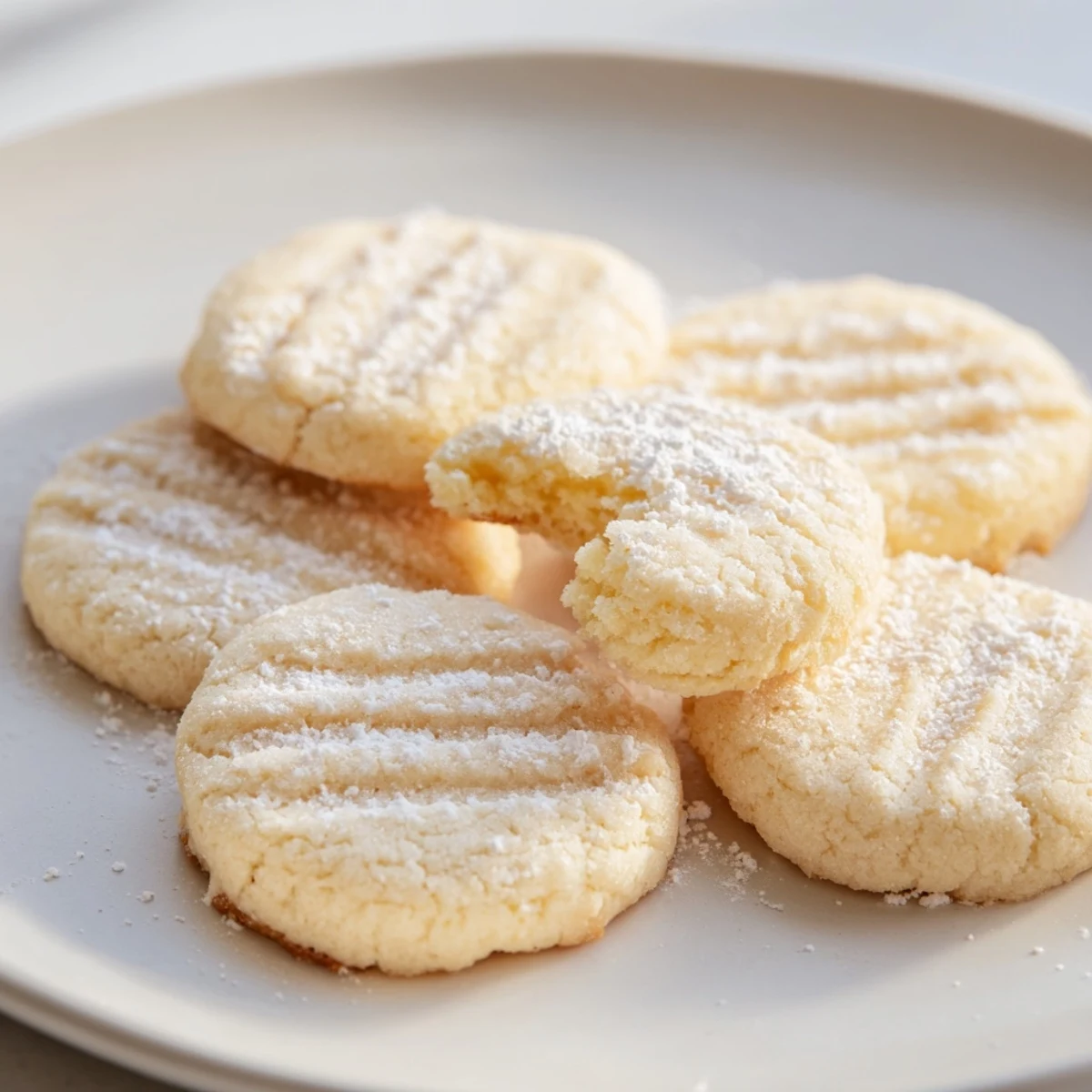
 Create tender, melt-in-the-mouth cookies with just five simple ingredients. These classic treats feature a rich buttery flavor and delicate sweetness that makes them perfect for afternoon tea or holiday platters.
The dough comes together quickly—cream butter and sugar until fluffy, add vanilla and egg yolk, then fold in flour. Roll into balls, flatten gently with a fork, and bake until edges turn golden. The result is 36 perfectly tender cookies that stay fresh for a week.
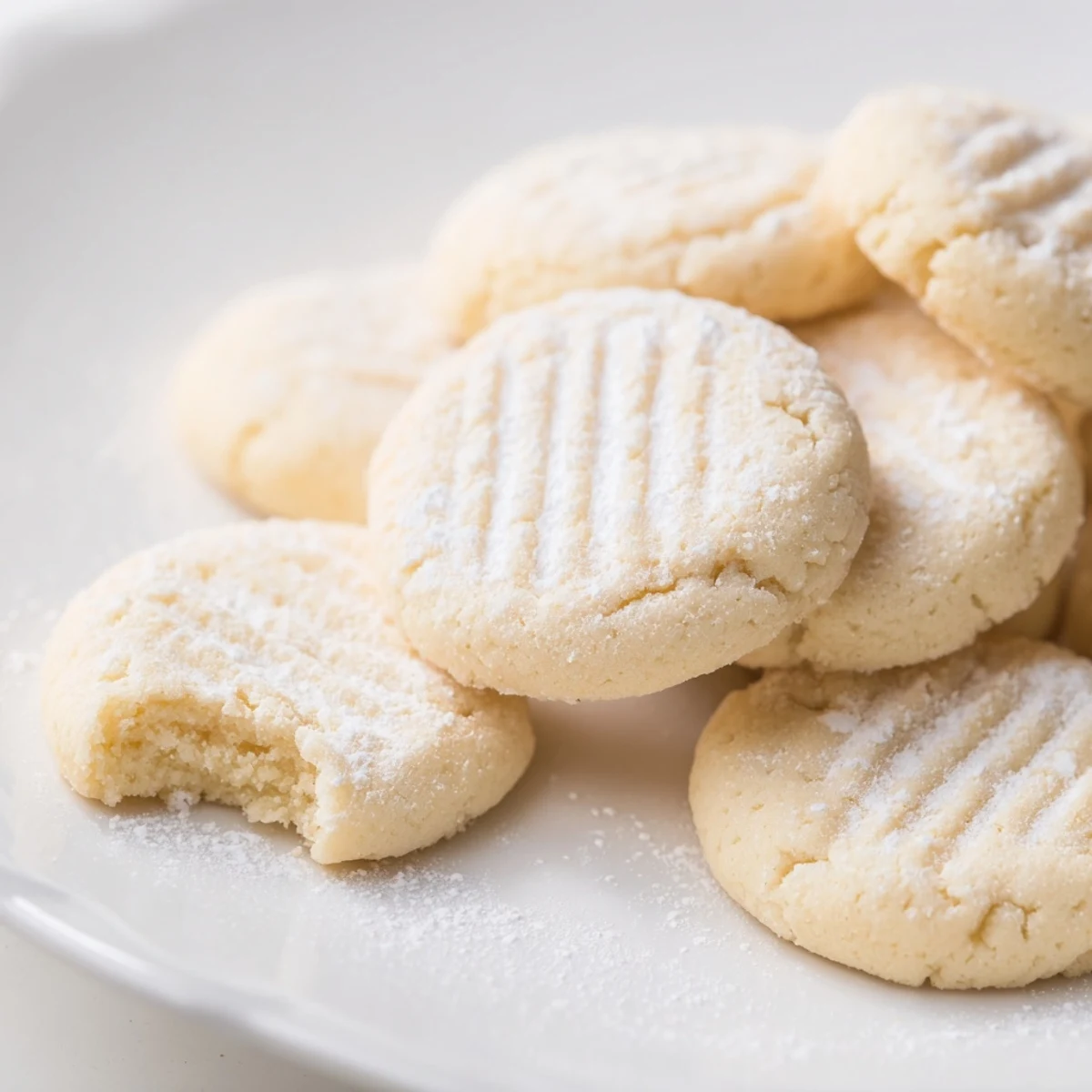
For variations, try dipping half in melted chocolate or swapping vanilla for almond extract. A light dusting of powdered sugar adds an elegant finishing touch.
The butter needs to be soft enough that your finger sinks in without resistance but not melting into a puddle. I learned this after three failed batches where the cookies spread into thin, crispy disappointments. Now I leave butter on the counter for exactly one hour before baking, timing it like a science experiment.
Last Christmas, my niece declared these better than the bakery cookies wed been ordering for years. She sat on the kitchen counter eating them warm from the oven, powdered sugar dusting her sweater like fresh snow. Now she asks for them in July.
Ingredients
- All-purpose flour: This creates the tender structure, and spooning it into the measuring cup instead of scooping prevents packing too much in
- Sea salt: A tiny pinch wakes up all the buttery richness and keeps them from tasting flat
- Unsalted butter: Room temperature is nonnegotiable here, and European butter with higher fat content makes them even more luxurious
- Granulated sugar: Creaming this with butter creates the signature melt in your mouth texture
- Egg yolk: Using just the yolk adds richness without making the cookie too cakey or structured
- Pure vanilla extract: The real stuff matters because its the main flavor shining through all that butter
- Powdered sugar: This optional dusting makes them look fancy and adds a delicate sweetness finish
Instructions
- Get your oven ready:
- Preheat to 350°F with the rack in the center position, then line your baking sheets with parchment paper
- Mix the dry stuff:
- Whisk together the flour and salt in a medium bowl until combined
- Cream the butter and sugar:
- Beat them together for 3 full minutes until pale and fluffy, scraping down the bowl once
- Add the yolk and vanilla:
- Mix until completely incorporated, about 30 seconds
- Bring it together:
- Gradually add the flour mixture, mixing just until the dough holds together
- Shape the cookies:
- Roll tablespoonfuls into balls and place them 2 inches apart on prepared sheets
- Flatten gently:
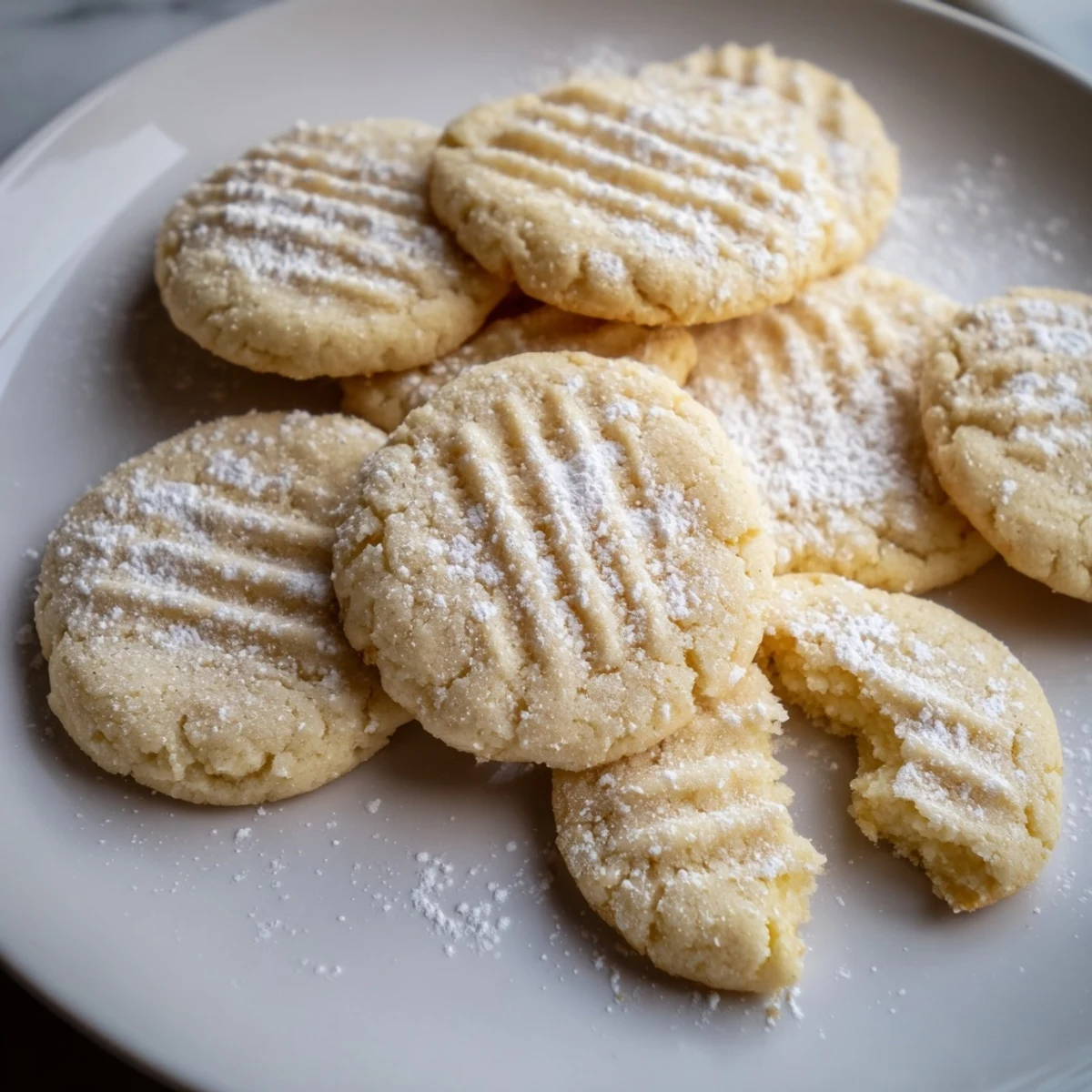
- Press each ball with fork tines or a glass bottom to create that classic pattern
- Bake until barely golden:
- Check at 10 minutes and remove when edges just start turning color
- Let them rest:
- Cool on the baking sheet for 5 minutes before transferring to a wire rack
- Add the finishing touch:
- Dust with powdered sugar once completely cooled
 Pin This
 My grandmother kept a tin of these on her counter year round, replenished every Sunday afternoon like clockwork. She claimed she made them for grandchildren, but I caught her eating one with her morning coffee more times than I can count.
Making Them Your Own
These cookies are incredibly forgiving and welcome all sorts of variations. Try dipping half in melted dark chocolate after they cool, or press a toasted pecan into the center before baking.
Storage Secrets
These actually improve after a day in an airtight container as the flavors meld together. Place a piece of bread in the container to keep them soft, and they will stay fresh for a full week.
Baking Wisdom
The recipe doubles beautifully without any adjustments to the method. I always make a double batch because the first sheet somehow disappears before it even cools completely.
- Use a cookie scoop for uniform size and even baking
- Rotate the baking sheet halfway through for consistent browning
- Let the baking sheets cool between batches to prevent the dough from spreading too fast
 Pin This
 There is something profoundly satisfying about a recipe so simple yet so beloved. These cookies have been bringing people together for generations, and now they are part of your story too.
Questions & Answers
- → Why are my cookies spreading too much?
-
Warm butter causes excessive spreading. Ensure your butter is at room temperature but not melted or overly soft. Chilling the dough for 15-30 minutes before baking also helps maintain shape while preserving tenderness.
- → Can I freeze the dough?
-
Absolutely. Roll the dough into balls, place on a baking sheet to freeze individually, then transfer to a freezer bag. Bake from frozen, adding 1-2 minutes to the baking time. Frozen dough keeps for up to 3 months.
- → What's the purpose of egg yolk instead of whole egg?
-
Egg yolks create richer, more tender cookies due to their fat content. They produce a softer texture and add beautiful golden color. Using just the yolk eliminates excess moisture that could make cookies cakey.
- → How do I know when they're done?
-
Remove from the oven when edges are just turning golden—centers should still appear slightly soft. They continue cooking on the hot baking sheet during the 5-minute cooling period. Overbaking results in crisp rather than tender cookies.
- → Can I make these without an electric mixer?
-
Yes, though it requires more elbow grease. Use a wooden spoon to cream the butter and sugar thoroughly until light and fluffy—about 5-6 minutes of vigorous mixing. The texture will be just as delicious.