
 Pin This
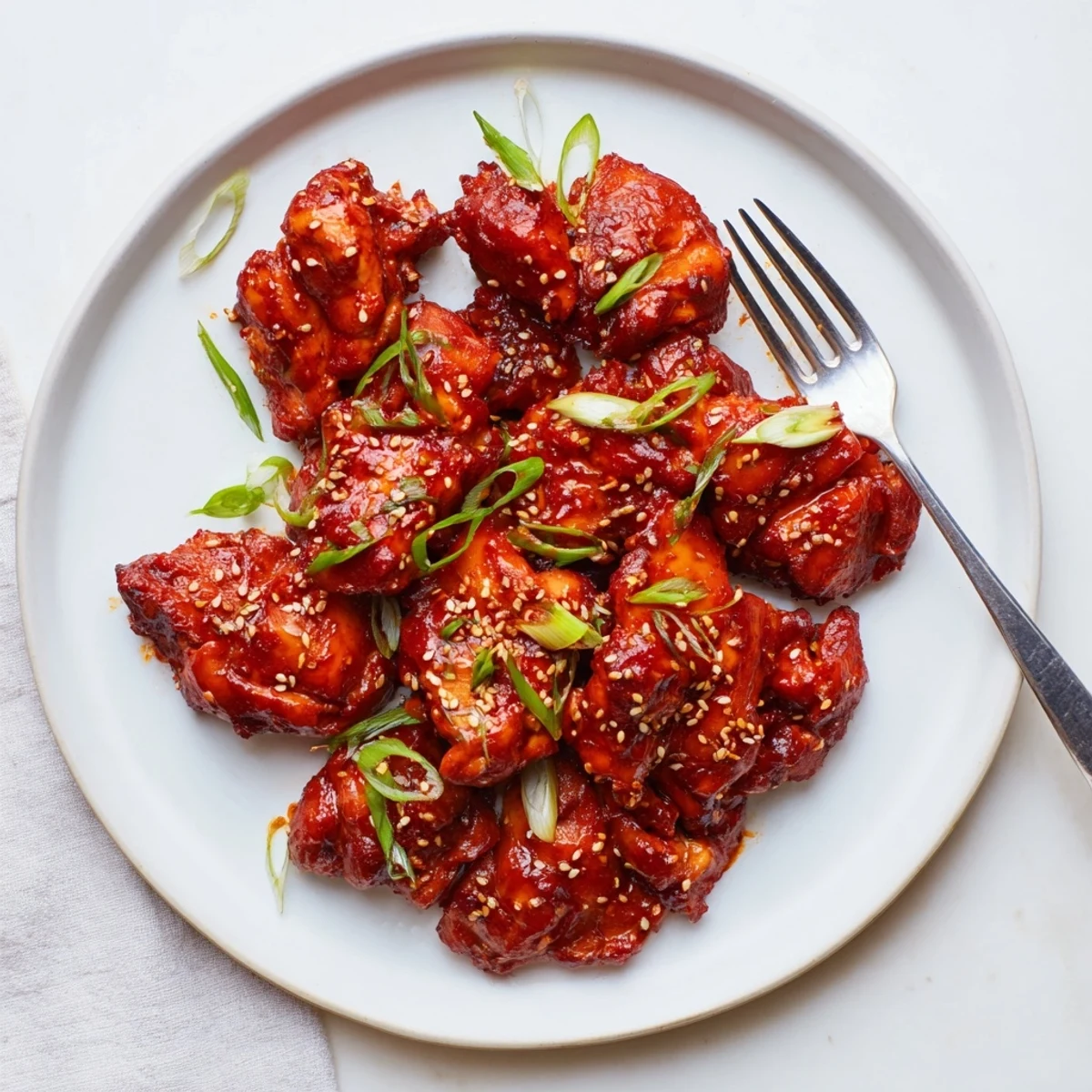
 This gochujang chicken brings bold Korean flavors to your table with minimal effort. Bite-sized chicken thighs are marinated in a rich blend of gochujang chili paste, soy sauce, honey, rice vinegar, garlic, and ginger, then pan-seared until caramelized and slightly sticky.
Ready in just 40 minutes with 15 minutes of prep, it's perfect for busy weeknights or casual entertaining. Serve it over steamed rice with sesame seeds and sliced green onions for a satisfying meal the whole family will enjoy.
The smell of gochujang hitting a hot pan for the first time stopped me mid sentence during a phone call with my mom, who immediately demanded to know what I was cooking because it smelled like a restaurant in Seoul had opened in my kitchen.
I made this for my neighbor Dave last winter when he helped me shovel out three feet of snow from my driveway, and he stood in my kitchen eating straight from the skillet with a fork, refusing to wait for rice.
Ingredients
- 700 g boneless skinless chicken thighs: Thighs stay juicy and forgiving even if you accidentally overcook them a minute too long, which happens to me every time I get distracted by a podcast.
- 3 tbsp gochujang: This fermented Korean chili paste is the soul of the dish and brings heat, sweetness, and deep umami all at once.
- 2 tbsp soy sauce: Adds salt and richness that rounds out the sweetness from the honey.
- 1 tbsp rice vinegar: A small splash of acidity that brightens everything and keeps the sauce from feeling heavy.
- 2 tbsp honey: Helps the chicken caramelize beautifully and balances the aggressive heat of the gochujang.
- 2 cloves garlic, minced: Fresh garlic only, because the jarred stuff lacks the sharp punch this marinade needs.
- 1 tbsp ginger, grated: Grate it fine so it melts into the sauce rather than leaving stringy bits behind.
- 1 tbsp sesame oil: Toasted sesame oil adds a nutty aroma that makes the whole dish smell incredible.
- Half tsp freshly ground black pepper: Fresh cracked pepper adds a subtle warmth that ties the ingredients together.
- 1 tbsp toasted sesame seeds: A finishing sprinkle that adds crunch and a visual pop.
- 2 green onions, thinly sliced: Their mild bite cuts through the richness and adds fresh color.
Instructions
- Whisk the marinade together:
- In a large bowl, combine the gochujang, soy sauce, rice vinegar, honey, garlic, ginger, sesame oil, and pepper, whisking until smooth and fragrant with no lumps hiding in the corners.
- Coat the chicken:
- Add the chicken pieces and toss them thoroughly with your hands or tongs, making sure every piece is smothered in that thick red sauce, then let it sit for at least twenty minutes or up to two hours in the fridge.
- Cook until caramelized:
- Heat a large skillet over medium high and dump in the chicken with all the marinade, cooking six to eight minutes per side until the edges turn dark and sticky and the chicken is cooked through.
- Garnish and serve:
- Take it off the heat, scatter sesame seeds and sliced green onions over the top, and serve it hot with steamed rice or tucked into crisp lettuce wraps.
 Pin This
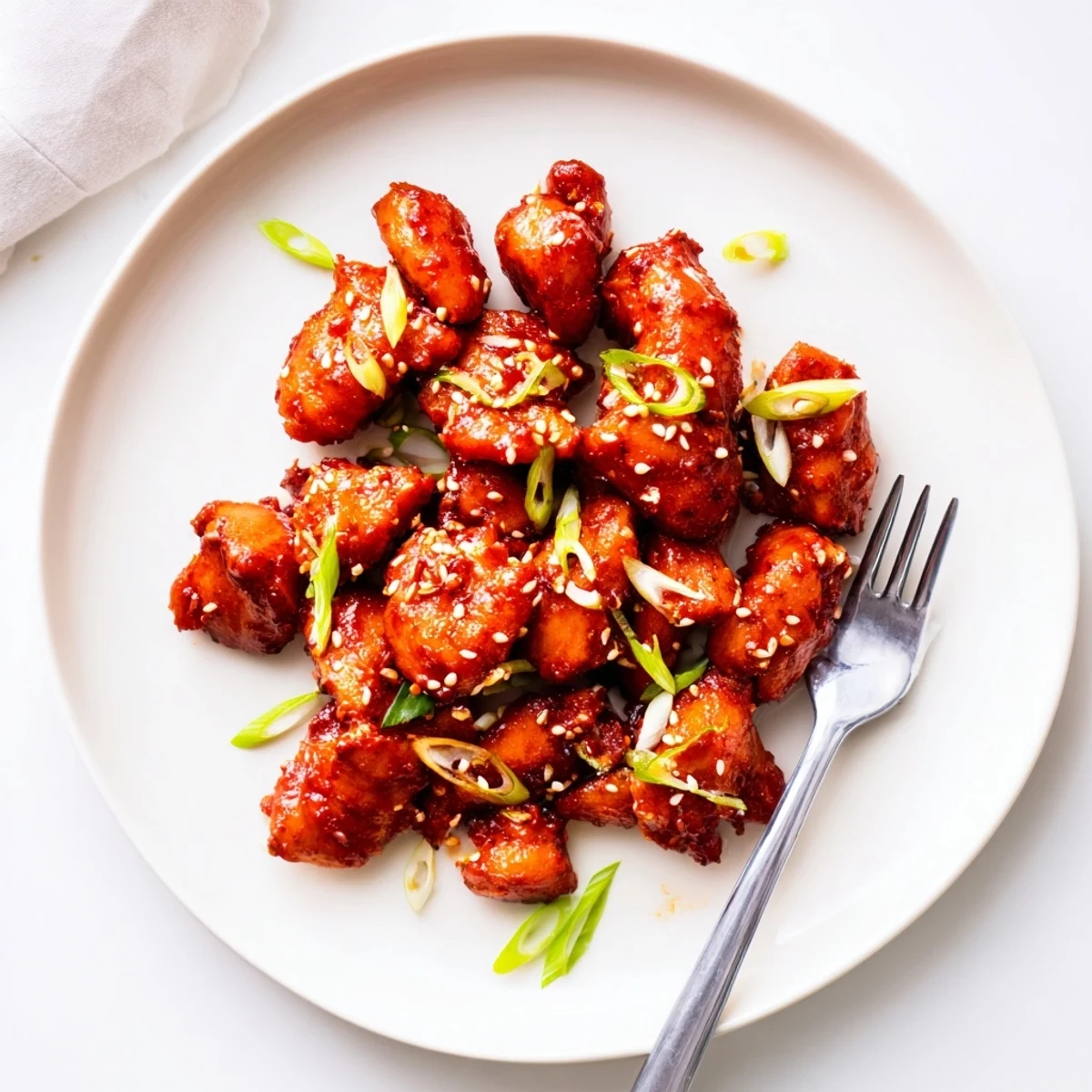
 There is something about the sizzle of that sticky sauce reducing in the pan that makes everyone wander into the kitchen asking if dinner is ready yet.
Picking the Right Chicken
Chicken thighs are my go to because they have enough fat to stay tender through the high heat cooking, but I have used breast meat when that was what I had and it works fine if you watch it closely and pull it off the heat the second it is done.
What to Serve Alongside
Steamed white rice is the classic pairing and honestly all you need because the rice soaks up every drop of that spicy sweet sauce, though a pile of kimchi on the side adds a cool crunchy contrast that takes the meal to another level entirely.
Storing and Reheating
Leftovers keep beautifully in the fridge for up to three days and reheat in a skillet even better than the microwave because you get another chance at those crispy caramelized edges.
- Store in an airtight container and add a splash of water when reheating to loosen the sauce.
- The flavors actually deepen overnight, so do not be surprised if day two tastes better than day one.
- Freeze portions flat in zip bags for quick weeknight meals up to two months out.
 Pin This
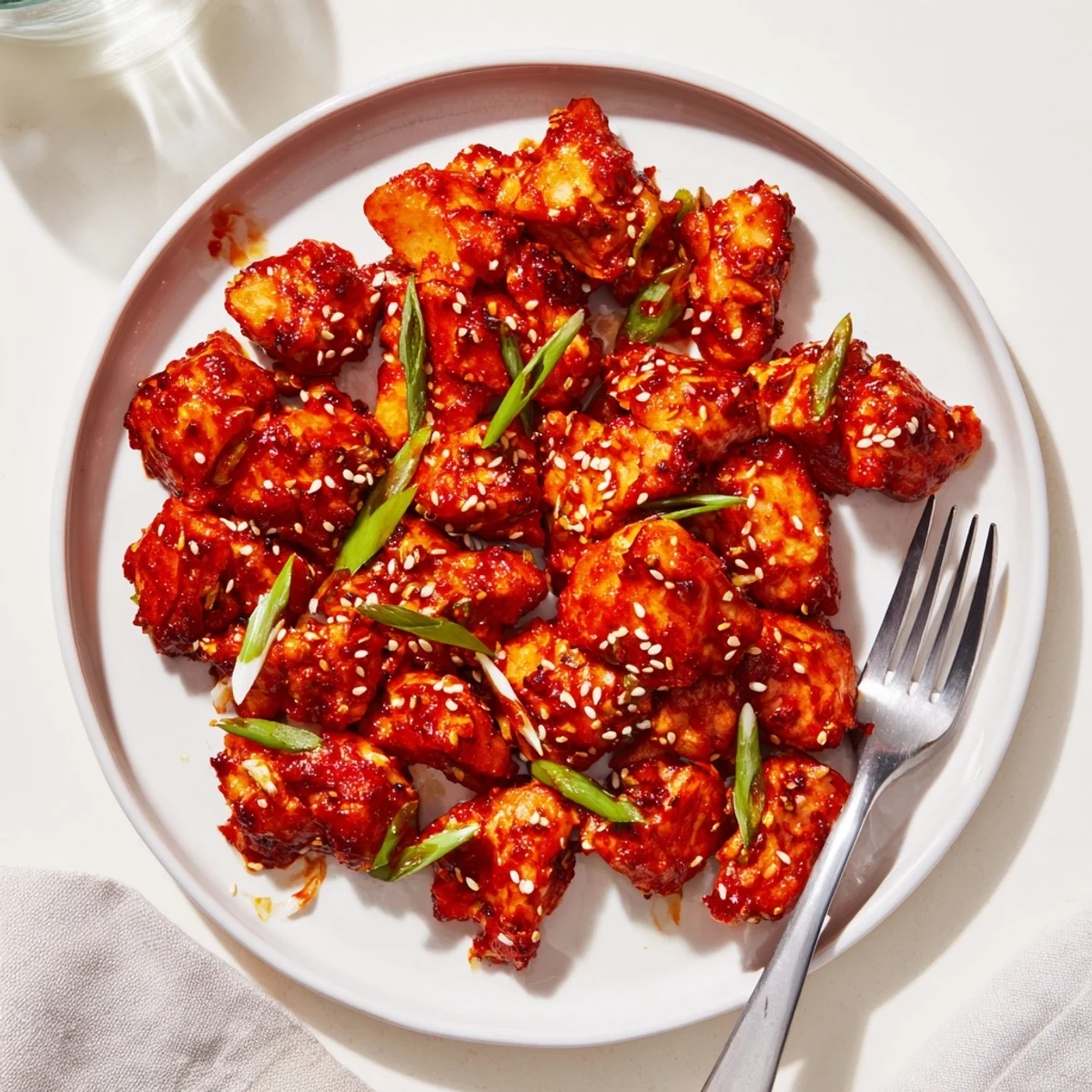
 Keep a batch of this in your back pocket for nights when you want something bold and satisfying without spending your whole evening at the stove.
Questions & Answers
- → What does gochujang taste like?
-
Gochujang is a fermented Korean chili paste with a complex flavor profile that balances spiciness, sweetness, and deep umami. It has a thick, sticky consistency and adds a rich, savory heat to dishes.
- → Can I use chicken breasts instead of thighs?
-
Yes, chicken breasts work as a leaner alternative. Keep in mind that breasts cook faster and can dry out more easily, so reduce the cooking time slightly and watch carefully to avoid overcooking.
- → How spicy is this dish?
-
The heat level is moderate thanks to the gochujang, which is milder than many other chili pastes. For extra spice, add a teaspoon of gochugaru (Korean red chili flakes) to the marinade.
- → What should I serve with gochujang chicken?
-
Steamed white rice is the classic pairing, but it also works beautifully with lettuce wraps, kimchi, pickled vegetables, or sautéed greens for a complete Korean-inspired meal.
- → How long should I marinate the chicken?
-
A minimum of 20 minutes is sufficient, but marinating for up to 2 hours in the refrigerator will develop deeper, more pronounced flavors throughout the chicken.
- → Is this dish gluten-free?
-
Traditional soy sauce contains wheat, so this dish is not gluten-free as written. You can substitute tamari or a certified gluten-free soy sauce to make it suitable for a gluten-free diet.