
 Pin This
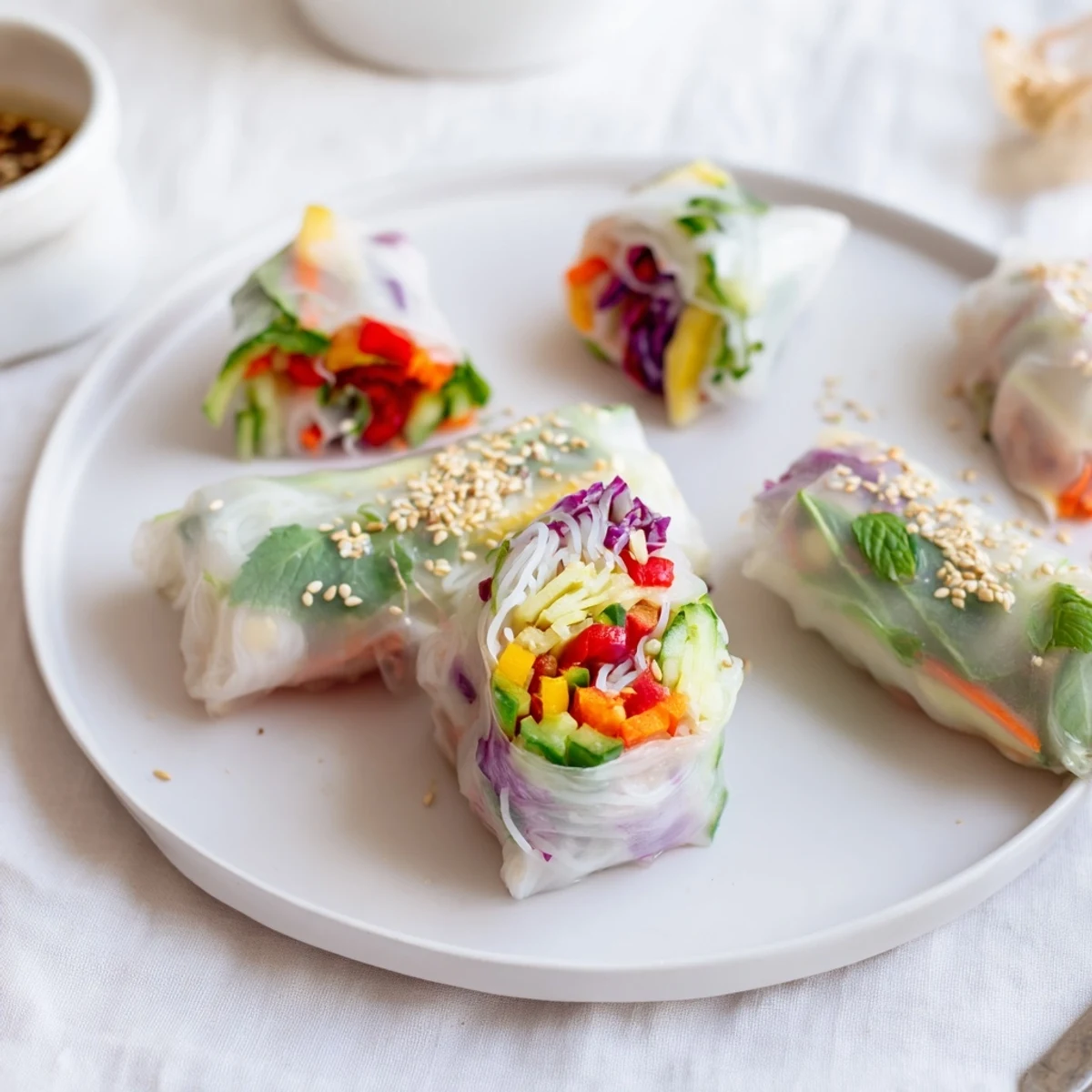
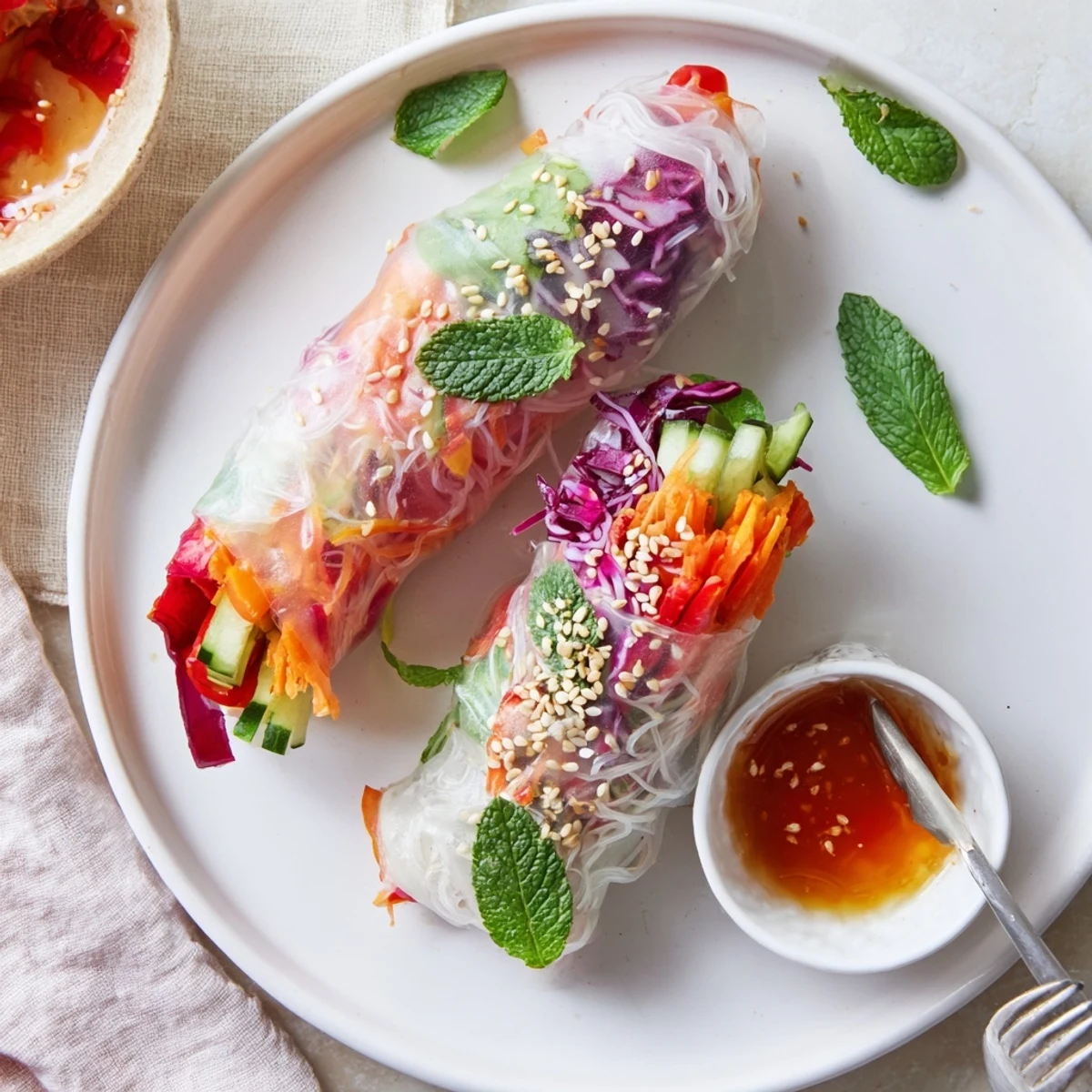
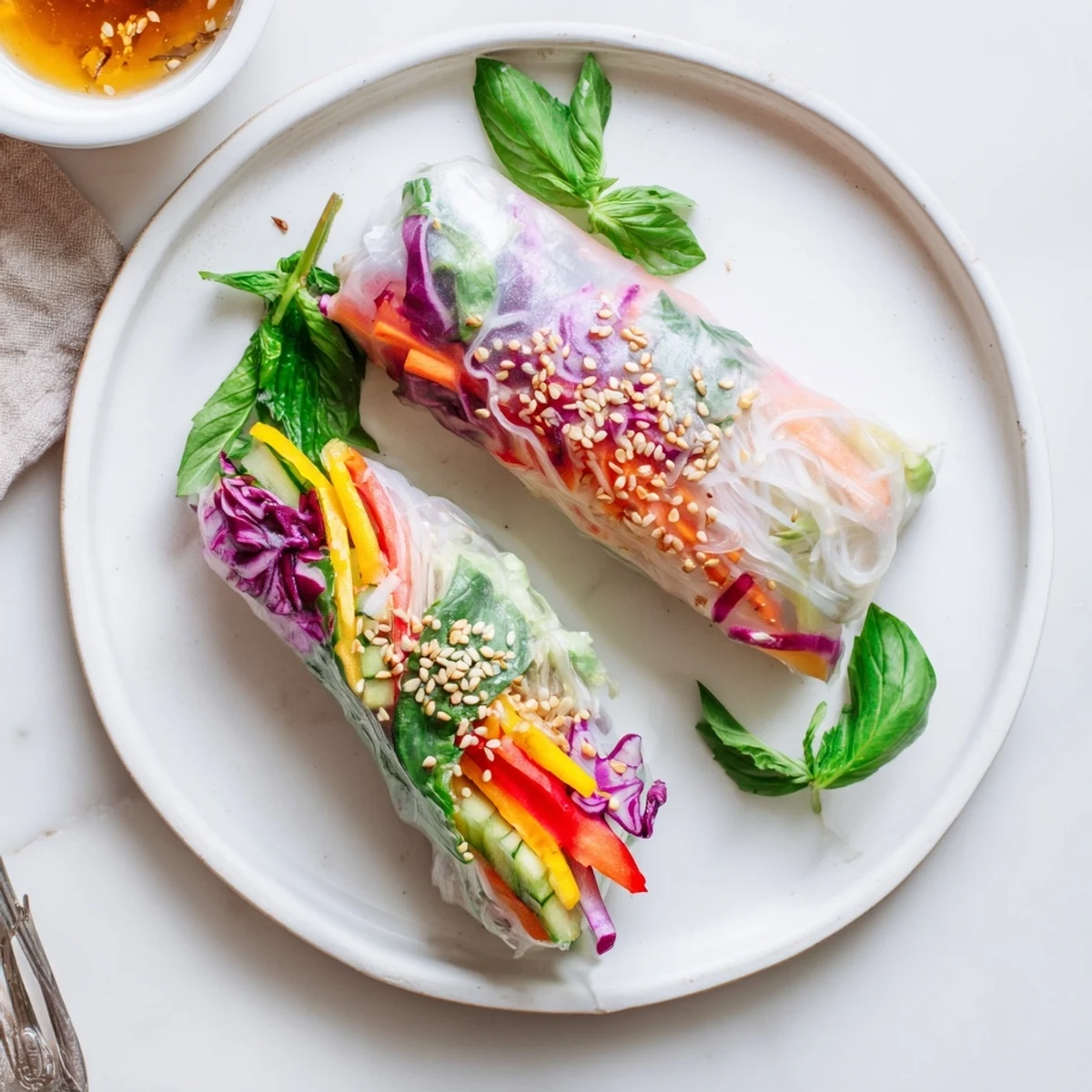
 These gluten-free vegetable spring rolls use delicate rice paper wrappers filled with julienned carrot, cucumber, red pepper, shredded cabbage and fresh herbs. Briefly soak each wrapper, layer noodles (optional) and vegetables, then fold and roll tightly. Whisk tamari, lime, maple, sesame and ginger for a bright dipping sauce. Serve immediately for best texture.
The summer my neighbor left a bag of garden cucumbers on my doorstep, I got obsessed with finding ways to use them all. These gluten-free vegetable spring rolls were the happy accident that came from that challenge, and now my kitchen counter looks like a tiny farmers market every time I make them.
My friend Elena once stood in my kitchen watching me roll these and declared them too pretty to eat. We ate all eight of them in under ten minutes, dipping aggressively and laughing at how quickly they vanished.
Ingredients
- 1 medium carrot, julienned: Adds a satisfying crunch and a bright orange stripe through the center of each roll.
- 1/2 cucumber, julienned: Brings a cool, watery freshness that balances the richer flavors in the dipping sauce.
- 1 red bell pepper, thinly sliced: Its natural sweetness pairs beautifully with the herbs and gives every bite a slight snap.
- 1 cup red cabbage, shredded: The deep purple color makes each roll look stunning and adds a subtle peppery bite.
- 1/2 cup fresh mint leaves: These wake up the whole roll with a cool, clean finish.
- 1/2 cup fresh cilantro leaves: A must for that bright, citrusy undertone that ties everything together.
- 1/2 cup fresh basil leaves: Soft and aromatic, basil adds a gentle sweetness that rounds out the herb trio.
- 8 gluten-free rice paper wrappers: Check the packaging carefully to confirm they are certified gluten-free, as brands vary.
- 1 cup cooked vermicelli rice noodles (optional): Adds bulk and a pleasant chewiness that makes each roll more filling.
- 1 tablespoon sesame seeds (optional, for garnish): A sprinkling of these on top adds a nutty aroma and a lovely visual touch.
- 3 tablespoons gluten-free soy sauce or tamari: The salty backbone of the dipping sauce, tamari is a great gluten-free swap.
- 1 tablespoon rice vinegar: Provides a gentle tang that lifts the sauce without overpowering it.
- 1 tablespoon lime juice: Freshly squeezed makes a noticeable difference in brightness.
- 1 tablespoon maple syrup or honey: Just enough sweetness to bring the sauce into perfect balance.
- 1 teaspoon toasted sesame oil: A small amount goes a long way toward that classic savory aroma.
- 1 teaspoon grated ginger: Fresh ginger adds a warm, slightly spicy kick that makes the sauce memorable.
- 1 clove garlic, finely minced: Bruise it lightly before mincing to release more flavor into the sauce.
- 1 tablespoon water: Thins the sauce to a dippable consistency without dulling the flavor.
Instructions
- Prep the vegetables and herbs:
- Julienned carrots, sliced pepper, shredded cabbage, and picked herb leaves should all be arranged in separate piles on your cutting board so rolling goes smoothly.
- Soften the rice paper:
- Fill a shallow dish with warm water and dip one wrapper for about 10 to 15 seconds until it just turns pliable but still holds its shape.
- Lay it out flat:
- Gently spread the softened wrapper on a damp kitchen towel, smoothing any folds with your fingertips to keep it from tearing.
- Build the filling:
- Place a small handful of noodles if using, followed by a colorful mix of vegetables and herbs in the center, leaving about an inch of border on all sides.
- Roll it up tight:
- Fold the bottom edge over the filling, tuck in both sides firmly, and continue rolling forward until sealed, keeping gentle but steady pressure throughout.
- Repeat and arrange:
- Continue with the remaining wrappers and filling, placing finished rolls seam side down on a plate covered with a barely damp towel.
- Whisk the dipping sauce:
- Stir together the soy sauce or tamari, rice vinegar, lime juice, maple syrup, sesame oil, ginger, garlic, and water until completely smooth.
- Serve immediately:
- Arrange the rolls on a platter, scatter sesame seeds over top if desired, and serve with the sauce in a small bowl alongside.
 Pin This
 The first time I served these at a potluck, three people asked for the recipe before I even sat down to eat.
Mixing Things Up
Avocado slices turn these into something almost creamy inside, and lettuce leaves add a crisp layer that holds everything together beautifully. Strips of pressed tofu or cooked shrimp work wonderfully if you want to make them more substantial for a light dinner. Sprouts, mango, or even thin slices of jalapeño can completely change the personality of the roll depending on your mood.
Tools That Help
A sharp knife makes quick work of julienning the vegetables and keeps the edges clean so nothing gets mushy. A large shallow bowl or even a pie plate is ideal for dipping the rice paper without bending it awkwardly. Keep a clean damp towel nearby because your hands and work surface will need wiping between rolls.
When Things Go Sideways
Your first roll of the batch will probably look messy, and that is completely normal, so just eat that one first and nobody will know. The wrappers stick to themselves eagerly, which is great for sealing but also means they stick to the plate if you are not careful. Lay them slightly apart from each other or use lettuce leaves between them as separators.
- Wet hands make handling rice paper much easier and prevent tearing.
- Do not be afraid to overlap vegetable slices for a tighter, neater roll.
- Remember that even ugly rolls taste incredible once you bite into them.
 Pin This
 Keep a plate of these on the table during a warm evening and watch how fast they disappear, sauce bowl and all.
Questions & Answers
- → How long should I soak the rice paper?
-
Submerge each wrapper in warm water for about 10–15 seconds until pliable. Remove promptly to avoid over-soaking, which can cause tearing and a soggy texture.
- → How do I prevent the rolls from sticking when rolling?
-
Work on a damp towel, use a small amount of filling, tuck the sides in tightly and roll firmly. Keep unused wrappers covered with a damp cloth to maintain pliability.
- → What proteins work well inside these rolls?
-
Thin strips of firm tofu, cooked shrimp or grilled chicken complement the vegetables. Pat proteins dry and cool before adding to prevent excess moisture in the wrappers.
- → Can I make these ahead and store them?
-
They are best enjoyed immediately for peak texture. If needed, layer rolls between damp paper towels in an airtight container and refrigerate for up to 4 hours, but expect some softening.
- → What is a good soy-free substitute for tamari?
-
Coconut aminos offer a soy-free, naturally gluten-free alternative. Adjust acidity and sweetness with rice vinegar and a touch of maple or honey to balance the dip.
- → How can I keep the filling crisp?
-
Use dry, well-drained vegetables and assemble just before serving. Including crisp lettuce or thinly sliced cucumber creates a barrier that helps maintain texture.