
 Pin This
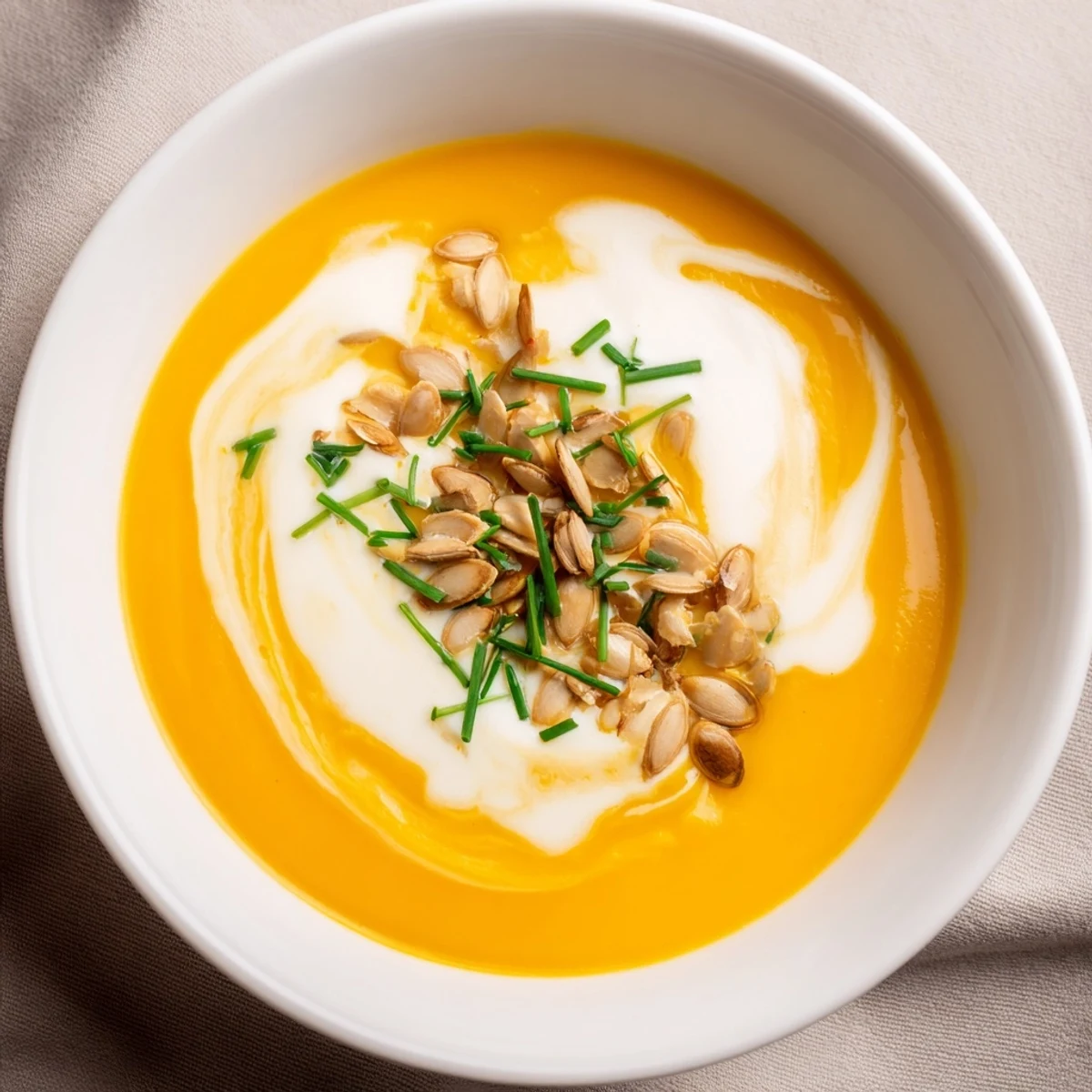
 This comforting dish features tender pumpkin simmered with aromatic spices, blended until smooth, and enriched with cream. Toasted pumpkin seeds add a pleasant crunch that complements the velvety base. Simple preparation and wholesome ingredients come together for a flavorful experience ideal for a cozy meal.
Using a combination of nutmeg and cumin highlights the pumpkin’s natural sweetness, while fresh herbs provide a subtle, fresh finish. Cream or coconut cream add richness, with the option for dairy-free adaptation. Quick to prepare and gentle on the palate, it suits a variety of dietary preferences including vegetarian and gluten-free.
One October afternoon, I was rummaging through a farmers market when a vendor handed me a sample of their pumpkin soup, still steaming from a pot behind the stand. The moment it hit my tongue—velvety, with this whisper of nutmeg and the surprising crunch of seeds—I knew I had to learn to make it at home. It took a few attempts before I figured out the balance, but now this is the soup I turn to when the weather shifts and I need something that feels both nourishing and like a warm hug in a bowl.
I made this soup for my sister when she came to visit during the first real cold snap of the season, and she sat at my kitchen counter asking for the recipe before she'd even finished her bowl. That's when I knew it was one worth writing down—something about it just made people slow down and actually taste it instead of rushing through lunch.
Ingredients
- Pumpkin (1 kg): Look for varieties like Hokkaido or butternut—they're sweeter and creamier than the huge jack-o'-lantern types, and they'll actually taste like something instead of watery sadness.
- Onion and garlic (1 medium onion, 2 cloves): The flavor foundation that most people skim over but absolutely shouldn't—they add depth without announcing themselves.
- Carrot (1 medium): A subtle sweetness that balances the earthiness of pumpkin and makes the soup feel more complete.
- Vegetable broth (750 ml): Use good broth if you can; the better it is, the better your soup will taste.
- Heavy cream or coconut cream (200 ml): This is what makes it creamy without tasting thin, and honestly, either works beautifully depending on what you have on hand or what you prefer.
- Olive oil (2 tbsp): For sautéing the vegetables until they're soft enough to almost melt into the pot.
- Nutmeg and cumin (1/2 tsp each): Ground spices are crucial here—don't use pre-mixed pumpkin pie spice because it's usually too sweet for a savory soup.
- Pumpkin seeds (40 g, toasted): These are the textural surprise, the little gift at the end of each spoonful that makes people ask what that is.
- Salt, pepper, and fresh herbs (to taste): Finish the soup tasting it as you go, because seasoning is personal and what's perfect for me might be different for you.
Instructions
- Warm your base:
- Heat olive oil in a large pot over medium heat and add your chopped onion, garlic, and carrot. Let them soften for about 4–5 minutes, until the onion turns translucent and the whole kitchen starts to smell like something good is happening.
- Introduce the pumpkin:
- Add your diced pumpkin to the pot and stir for 3 minutes, letting the heat start to break it down. You'll notice the pieces will begin to lose their raw look.
- Build the liquid base:
- Pour in the vegetable broth, bring it to a boil, then turn the heat down and let it simmer for about 20 minutes. The pumpkin will get so tender that it practically falls apart when you nudge it with a spoon.
- Blend it smooth:
- Take the pot off the heat and use an immersion blender to puree everything into a silky consistency—or work in batches with a countertop blender if that's what you have. This is oddly satisfying to watch.
- Finish with cream and spice:
- Stir in the cream, nutmeg, cumin, salt, and pepper, then gently reheat the soup without letting it boil (boiling can make cream separate and the texture becomes less luxurious). Taste and adjust the seasoning until it feels right to you.
- Serve with intention:
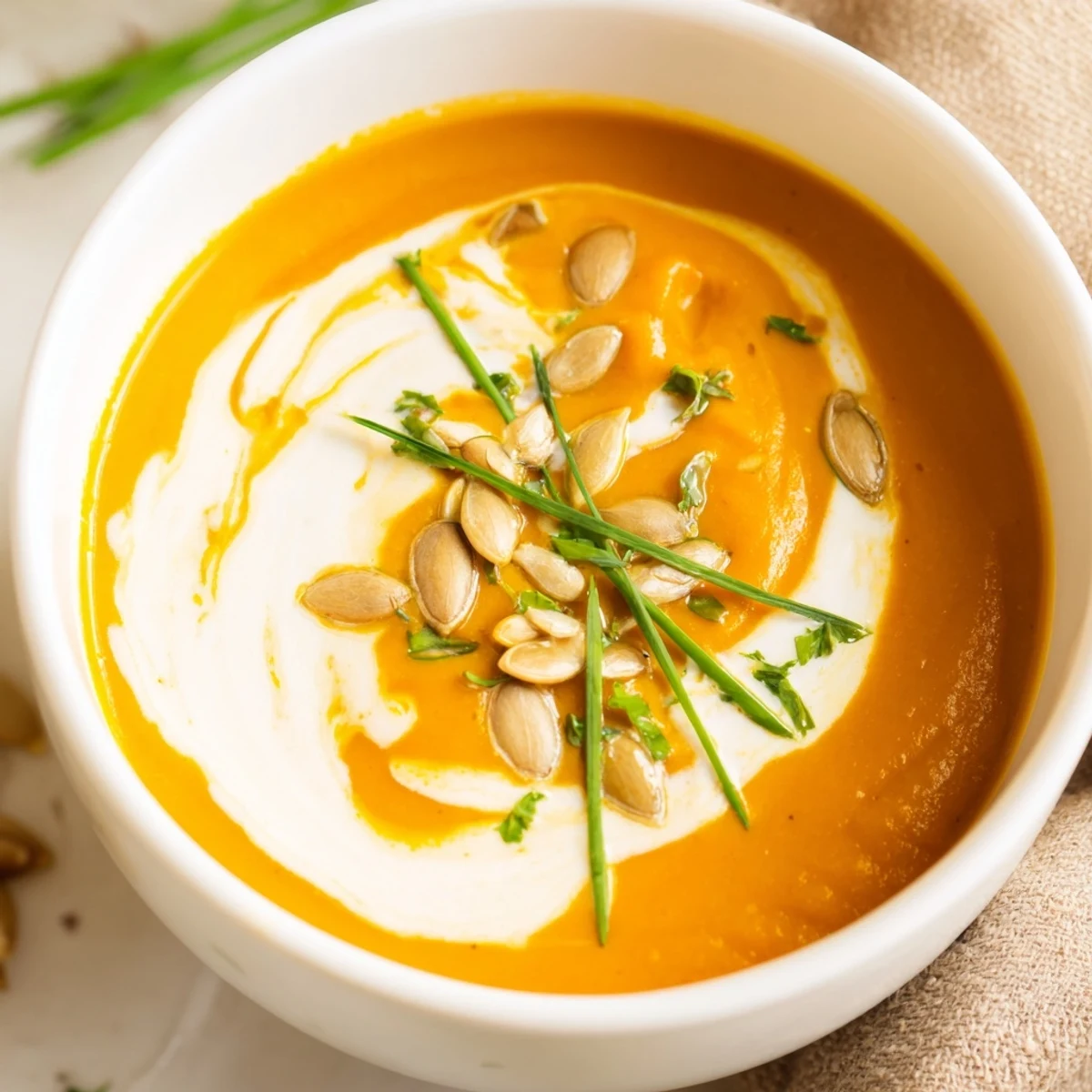
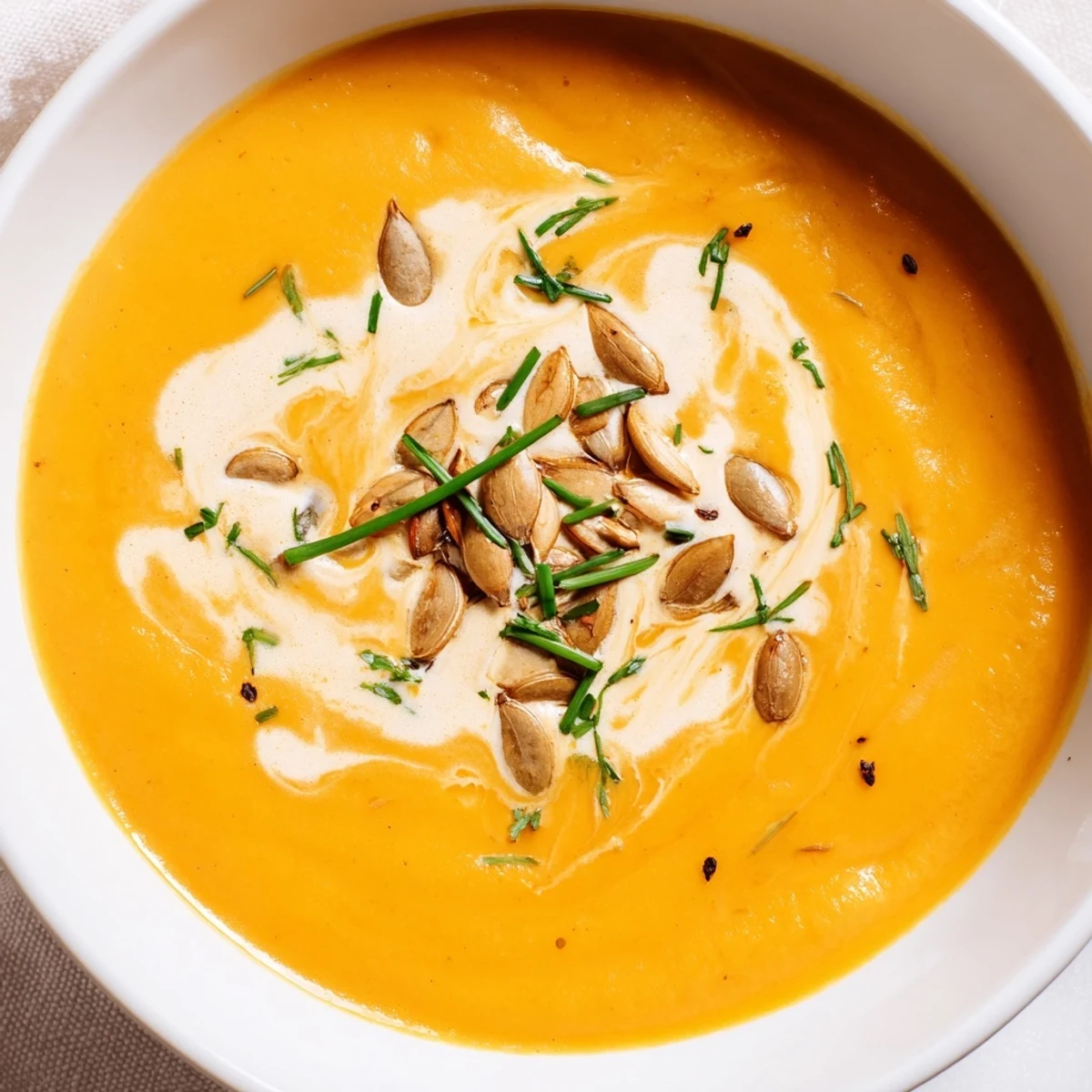
- Ladle into bowls, top with your toasted pumpkin seeds and fresh herbs if you have them, and serve while it's still steaming.
 Pin This
 There's a moment about halfway through making this soup when the kitchen fills with that warm, spiced smell and you know it's going to be good. That's when I usually pour myself something hot to drink and sit down for a minute, because the best part of cooking something like this is the anticipation before you taste it.
Why Pumpkin Works Magic
Pumpkin is one of those humble vegetables that transforms completely when you give it attention. Raw, it's neutral and a little watery, but roasted or cooked down with aromatics, it develops this subtle sweetness and becomes impossibly creamy when blended. It's also forgiving—there's rarely a way to ruin a pumpkin soup, only different versions of good.
Making It Your Own
This recipe is a foundation that invites tinkering. Some people I know add a pinch of chili flakes for a subtle heat, others swirl in a touch of maple syrup or honey if they want more sweetness, and one friend adds a splash of sherry near the end because that's what her grandmother did. The beauty is that pumpkin plays well with almost everything, so trust your instincts and taste as you go.
Pairing and Serving Ideas
This soup deserves a little ceremony around it. Serve it with something with texture—crusty bread is traditional, but I've also set out crispy sage leaves, crème fraîche to dollop on top, and crispy bacon bits for people who want them. It's a soup that appreciates companions rather than standing alone on the plate.
- A thick slice of toasted sourdough or country bread is the classic pairing and honestly, there's a reason for that.
- If you're feeling fancy, make a parmesan crisp to lean against the bowl instead of bread.
- Leftover soup keeps in the fridge for about 4 days and actually tastes better on day two when the flavors have had time to settle.
 Pin This
 This is the kind of soup that makes an ordinary Tuesday feel a little more intentional. Make it once and it becomes something you return to, the way you do with songs you love.
Questions & Answers
- → What types of pumpkin work best?
-
Varieties like Hokkaido or butternut are ideal due to their sweet, dense flesh that blends smoothly.
- → Can I substitute the cream?
-
Coconut cream is a great dairy-free alternative that maintains the rich texture.
- → How do I achieve the best flavor?
-
Roasting the pumpkin before cooking intensifies its natural sweetness and adds depth.
- → What spices complement this dish?
-
Ground nutmeg and cumin add warmth and balance the pumpkin's sweetness perfectly.
- → How should I serve this dish?
-
Garnish with toasted pumpkin seeds and fresh herbs; pair with crusty bread or a dollop of crème fraîche.
- → Is this suitable for vegetarians?
-
Yes, and it can easily be made vegan by using coconut cream instead of dairy.