
 Pin This
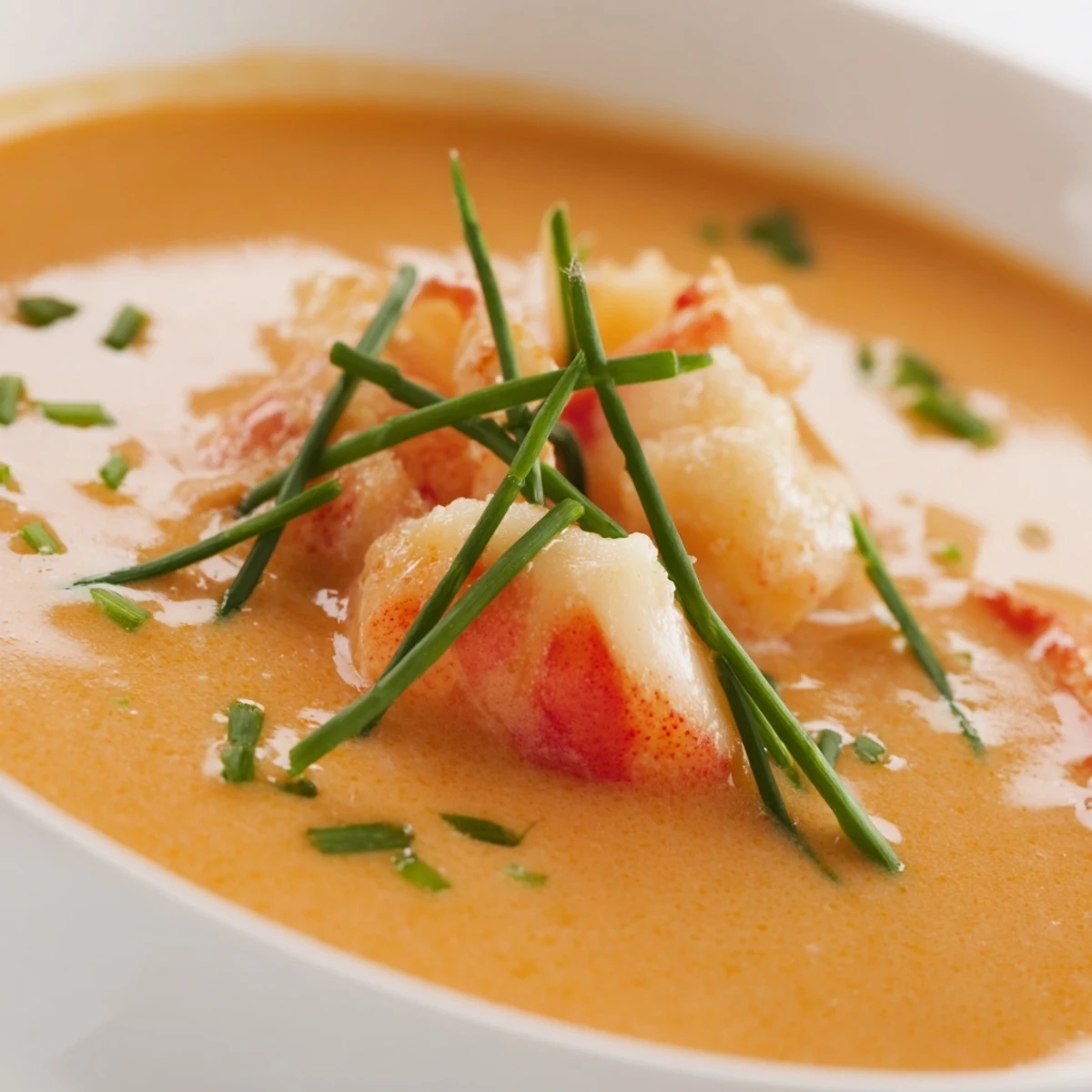
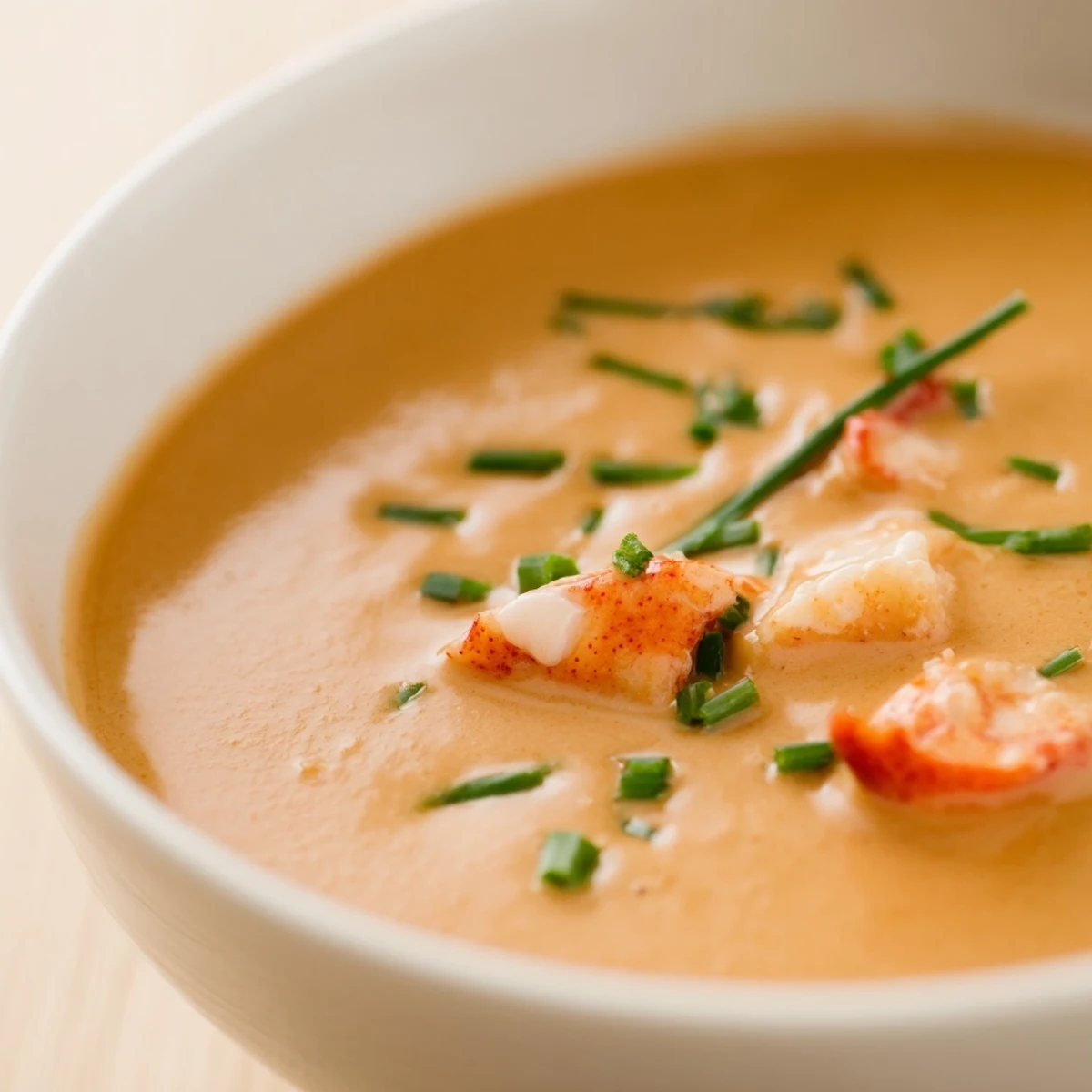
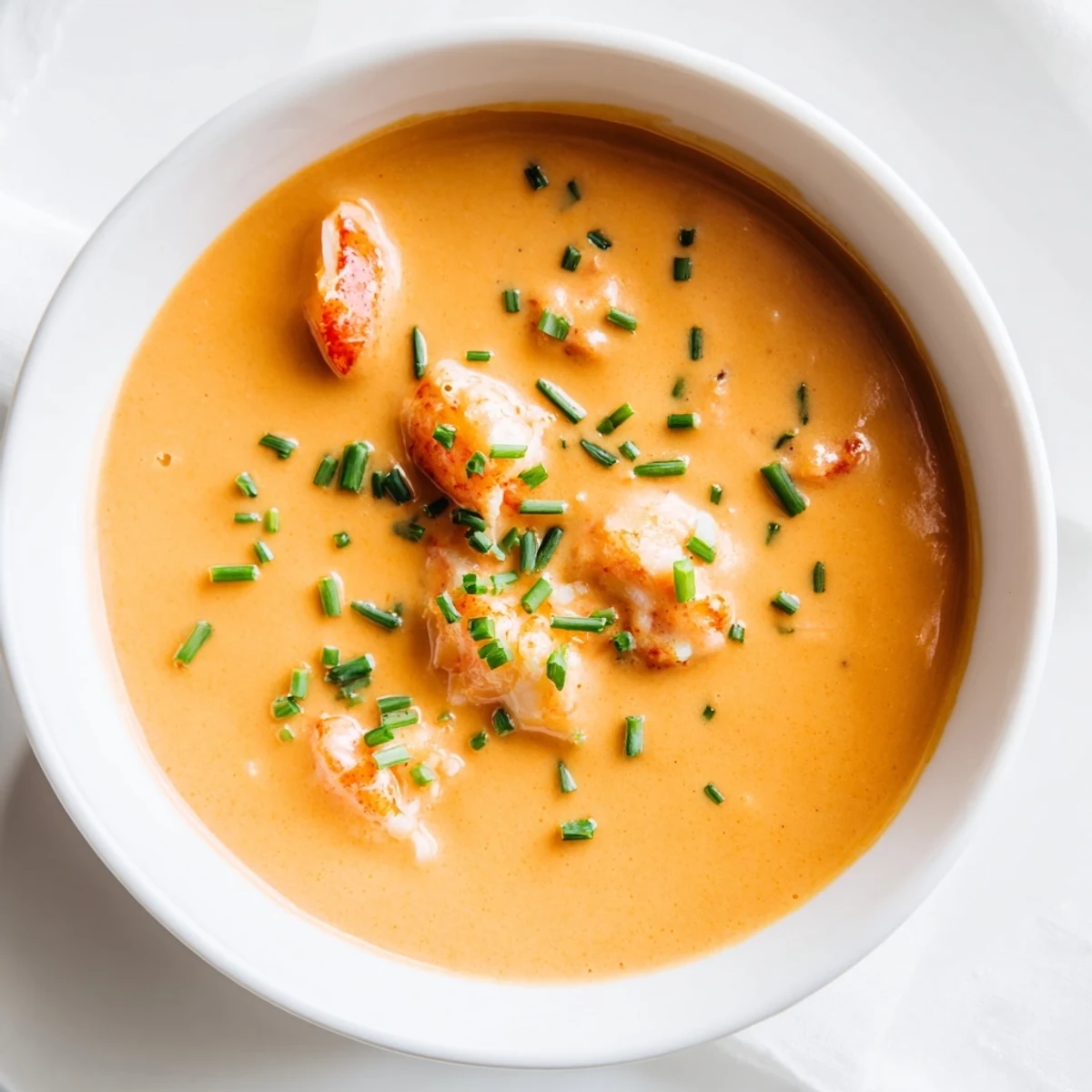
 This luscious lobster bisque blends fresh lobster meat, butter, aromatic vegetables, and seafood stock to create a smooth, flavorful base. White wine adds subtle depth while tomato paste and seasonings enhance the profile. Pureed for velvety texture and finished with heavy cream, it offers a luxurious mouthfeel. Garnished with fresh herbs and lemon wedges, it makes a sophisticated starter or main course that's delightfully rich yet balanced.
There's something about the smell of lobster shells toasting in butter that makes you feel like you're cooking something worth celebrating. I learned to make this bisque during an unseasonably cold October when I decided—on a whim—that we needed something luxurious for dinner, something that tasted like the coast even though we were landlocked. The first time I stirred those sweet, briny shells into the pot, I understood why this soup has been a showstopper for so long.
I made this for a dinner party where one guest casually mentioned she'd never had proper bisque, and watching her expression change with that first spoonful—from polite to genuinely moved—reminded me that good food is really just generosity in a bowl. The kitchen filled with steam and that distinctive seafood sweetness, and suddenly everyone was in the room with me, asking questions instead of staying at the table.
Ingredients
- 2 whole lobsters (about 1.5 lbs each), cooked, meat removed and shells reserved: The shells are where the magic lives—don't throw them away. They'll become the foundation of your bisque's soul.
- 2 tbsp unsalted butter: Use real butter here; it makes a difference in how the aromatics bloom.
- 1 medium yellow onion, finely chopped: Fine chopping means faster cooking and better integration into the cream base.
- 1 celery stalk, chopped: This adds subtle depth that sneaks up on you by the second spoonful.
- 1 medium carrot, chopped: A touch of natural sweetness that rounds out the briny intensity of the lobster.
- 2 cloves garlic, minced: Fresh garlic only—the powdered version will leave you disappointed.
- 2 tbsp tomato paste: This small amount adds umami without making the soup taste tomato-forward; trust it.
- 1/2 cup dry white wine: Something you'd actually drink; this isn't the place to use cooking wine.
- 4 cups seafood or fish stock: Quality stock matters more here than anywhere else—it's doing half the flavor work.
- 1 cup heavy cream: The richness everyone remembers; don't skip or substitute.
- 1 bay leaf: One leaf, not more; it flavors subtly rather than dominates.
- 1/4 tsp paprika: A pinch of warm color and gentle spice.
- 1/4 tsp cayenne pepper (optional, for heat): Add only if you like a whisper of heat; it's meant to enhance, not announce itself.
- Salt and freshly ground black pepper, to taste: Always taste before serving; bisque is forgiving about seasoning adjustments.
- 1 tbsp fresh chives or tarragon, finely chopped: Fresh herbs at the end bring everything alive—the garnish is not optional, it's essential.
- Lemon wedges (optional): A squeeze of bright acid cuts through the richness beautifully.
Instructions
- Prepare Your Lobster:
- Remove the meat from the shells carefully—you want tender chunks, not shreds. Cover the meat and chill it while you build the bisque base; cold meat will actually help keep the cream from breaking when you add it later.
- Start the Aromatic Base:
- Melt butter in your pot over medium heat and let it foam slightly, then add your onion, celery, and carrot. You're listening for the gentle sizzle and watching for the vegetables to turn translucent at the edges—this takes about six minutes and is worth the patience.
- Deepen the Flavor:
- Stir in garlic and tomato paste, letting them cook together for a couple of minutes until the kitchen smells noticeably richer. The tomato paste should darken slightly; this means it's caramelizing a bit and building complexity.
- Extract the Lobster Essence:
- Add those reserved shells and stir them into the vegetables for about four minutes. You'll feel the shells release their flavor into the fat, and you might notice the mixture turning a light pink—that's exactly what you want.
- Deglaze and Simmer:
- Pour in the white wine and use a wooden spoon to scrape up every bit of browned flavor stuck to the pot. Let it bubble gently for two minutes, then add your stock, bay leaf, paprika, and cayenne if you're using it.
- Build Deep Flavor:
- Bring everything to a boil, then reduce to a gentle simmer for thirty minutes. You want a quiet, steady bubble, not an aggressive one—this coaxing draws out every subtle note from the shells without forcing bitterness.
- Strain and Purée:
- Fish out the shells and bay leaf with a slotted spoon, then use an immersion blender to purée the soup until it's completely smooth. If you're nervous about lumps, blend in batches in a regular blender instead—it takes longer but feels more controlled.
- Finish with Cream:
- Return the bisque to low heat and stir in the heavy cream slowly, letting it warm through for about five minutes. The soup will turn a gorgeous coral color, and the texture will shift from silky to absolutely luxurious.
- Add the Star Ingredient:
- Gently fold in most of the lobster meat and heat it through for just two to three minutes—this isn't a reheating step, just enough to warm the meat and let it surrender a final hint of flavor to the soup. Keep the heat low so the cream stays happy.
- Season and Serve:
- Taste your bisque and adjust salt and pepper generously. Ladle into warm bowls and garnish with reserved lobster meat and a scatter of fresh herbs, finishing with a lemon wedge if you have it.
 Pin This
 The first time someone asked me for the recipe, I almost didn't give it to them—not because it was secret, but because I wasn't sure it would taste the same in someone else's kitchen. It did, though, and now it's in at least four different homes that I know of, which feels like the highest compliment a recipe can receive.
The Secret Life of Lobster Shells
Most people discard lobster shells without thinking twice, but they're actually packed with concentrated flavor that rivals stock made from scratch. When you simmer them with aromatics and wine, they release a briny sweetness that becomes the backbone of this entire soup. The shell's natural minerals and proteins create a body that cream alone could never achieve, which is why this bisque feels so velvety and substantial despite being relatively lean.
Wine Matters More Than You Think
I learned this lesson the hard way by using a bottle I wouldn't have drunk myself, and the soup tasted tinny and thin as a result. A crisp white wine—something like a Sauvignon Blanc or a lighter Chardonnay—brightens the briny lobster and adds complexity that sits quietly in the background. You want the wine to add acidity and subtle fruit notes, not to overpower or taste sour; simmer it long enough to let the alcohol burn away and leave only the good parts behind.
Timing and Temperature Control
This soup teaches you something valuable about heat: everything cooked at medium or low heat tastes better than everything rushed at high heat. The thirty-minute simmer isn't a minimum you can cut short; it's where the shells actually surrender their essence to the broth. Once cream is involved, heat becomes your enemy, so resist the urge to increase the flame, even if you're hungry.
- Let the vegetables soften slowly so they break down completely when blended, creating natural creaminess without lumps.
- Keep a thermometer nearby if you're nervous about boiling the cream; you're aiming for a gentle warmth around one hundred eighty degrees, nowhere near a simmer.
- If you're making this ahead, cool it completely before refrigerating, then reheat over low heat while stirring constantly to avoid any chance of separation.
 Pin This
 This is the soup that lives in my mind as proof that elegance doesn't require complicated techniques or rare ingredients—just respect for what you have and patience to let flavors develop. Make it when you want to feel like yourself, elevated.
Questions & Answers
- → What is the best way to extract maximum flavor from lobster shells?
-
Roasting lobster shells at 400°F for 10 minutes before simmering intensifies the broth's richness and depth.
- → Can I substitute other seafood for lobster meat?
-
Shrimp shells and meat can be used as alternatives to create a similar seafood-infused broth and texture.
- → How do I achieve a smooth and creamy texture?
-
Puree the soup base thoroughly with an immersion or countertop blender, then add heavy cream and gently simmer.
- → What herbs complement lobster bisque best?
-
Fresh chives or tarragon add bright herbal notes that balance the richness of the bisque.
- → How should I season the bisque for balanced flavor?
-
Using paprika, optional cayenne, salt, and freshly ground black pepper enhances depth and adds mild heat without overpowering.