
 Pin This
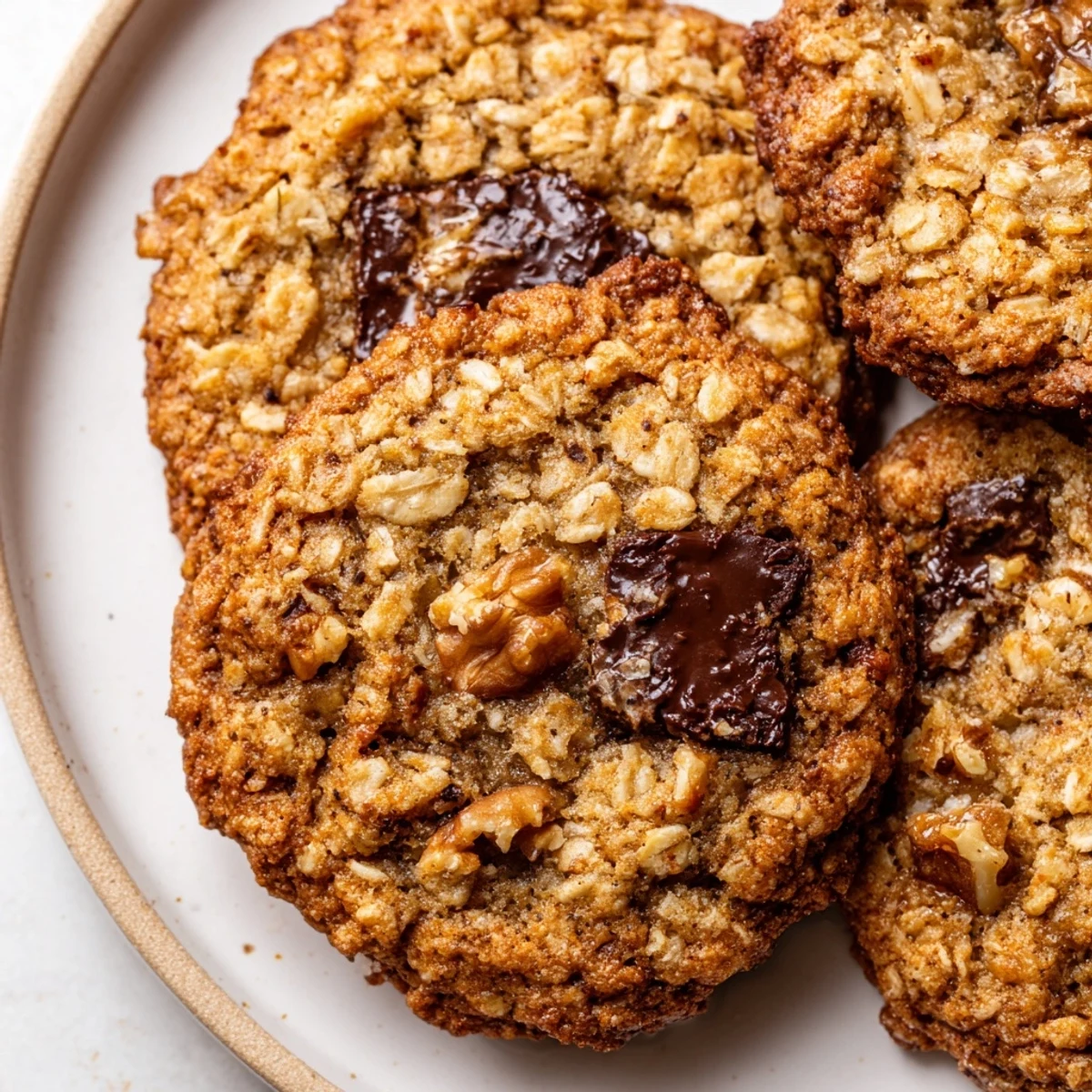
 These chewy cookies showcase the magic of brown butter combined with traditional Irish oats. The process begins by cooking butter until it develops a deep golden color and nutty aroma, which infuses every bite with caramel complexity. Old-fashioned Irish oats provide a hearty texture and subtle nuttiness that pairs perfectly with the browned butter's rich flavor profile.
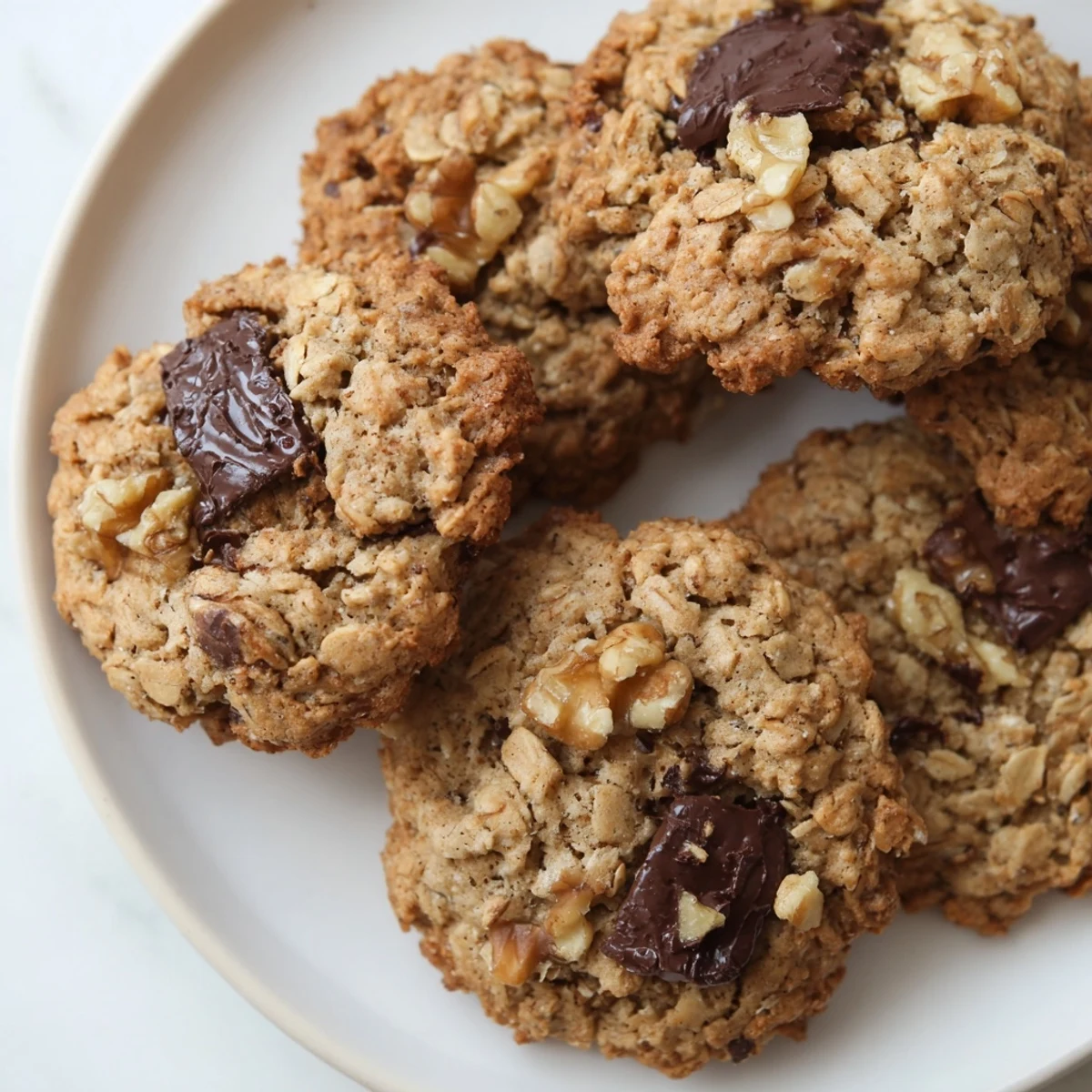
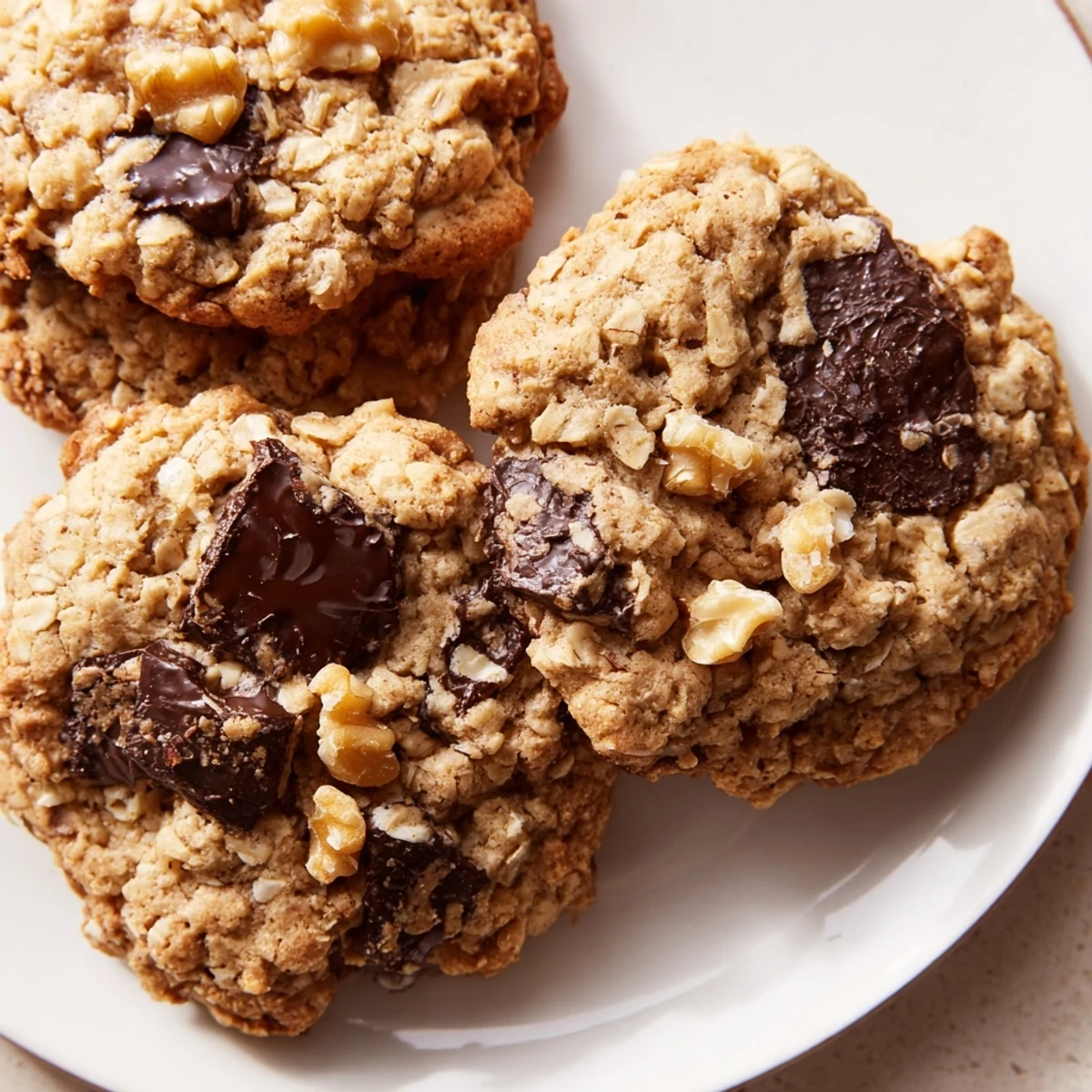
The dough comes together quickly, requiring just 20 minutes of preparation before baking. Each cookie bakes to golden perfection with slightly crisp edges and soft, chewy centers. The optional additions of chocolate chips, raisins, or chopped nuts offer customizable variations while maintaining the cookie's distinctive character.
Perfect with afternoon tea or morning coffee, these cookies store beautifully and actually improve in flavor after a day as the brown butter notes deepen throughout.
The kitchen filled with that unmistakable toffee scent the first time I let butter go just a minute too long in the pan. My roommate thought something was burning, but those brown butter Irish oat cookies that emerged from the oven became our shared obsession through finals week. There's something about Irish oats that keeps their texture while still baking up tender, and when you pair that with nutty browned butter, you get a cookie that feels both rustic and refined.
I started making these for my sister who swears she cant bake, but the recipe is so forgiving that even her attempts turned out beautifully. Now she texts me every time she brown butters, proud of her golden patience. Theres something about standing at the stove, watching butter transform into something completely different, that makes you feel like a proper cook even if youre just making cookies.
Ingredients
- Old-fashioned Irish oats: These steel-cut oats hold their shape better than regular rolled oats, giving you chewy pockets instead of mushy bits
- Unsalted butter: Starting with unsalted lets you control the seasoning since concentrating the butter intensifies all flavors including saltiness
- Light brown sugar: The molasses in brown sugar pairs beautifully with the toffee notes from browned butter
- All-purpose flour: Just enough to hold everything together without making these cookies tough or cakey
- Baking soda: The leavener that gives these cookies their slight spread and tender crumb
- Ground cinnamon: Optional but lovely, especially if you remember to add it when the weather turns crisp
- Eggs: Two large eggs provide structure while keeping these cookies chewy rather than crisp
- Vanilla extract: Dont skip this, it brightens all those rich caramel notes from the brown butter
- Chocolate chips or raisins: Either works here, or go half and half if you cant decide
- Chopped walnuts or pecans: These add a lovely crunch but the cookies are perfectly delicious without them
Instructions
- Get everything ready:
- Preheat your oven to 350F and line two baking sheets with parchment paper, because nothing ruins cookie joy like scrubbing burnt sugar off baking sheets later.
- Brown the butter:
- Cook the butter in a medium saucepan over medium heat, stirring gently, until it foams then turns deep golden brown and smells like toasted nuts, about 4 to 6 minutes, then set it aside to cool for 10 minutes.
- Whisk the dry ingredients:
- In a medium bowl, combine the flour, Irish oats, baking soda, salt, and cinnamon until well blended, which takes about 30 seconds of actually whisking.
- Cream the sugars and butter:
- Beat the cooled browned butter with both sugars until thoroughly combined, then add the eggs one at a time, mixing well after each, and stir in the vanilla.
- Combine everything:
- Gradually mix the dry ingredients into the wet ingredients just until no flour streaks remain, then fold in whatever add ins youve chosen tonight.
- Scoop and space:
- Drop rounded tablespoons of dough onto the prepared baking sheets, leaving about 2 inches between each scoop because these cookies will spread and they need room to breathe.
- Bake to golden perfection:
- Bake for 10 to 12 minutes until the edges are golden and centers look just slightly underbaked, then let them cool on the trays for 5 minutes before moving them.
 Pin This
 My grandmother kept a tin of these on her counter, and I swear they tasted better on day three, though none ever lasted that long in our house. Now whenever I smell butter browning, Im transported back to her kitchen, learning that some things are worth the extra effort and patience.
Getting the Right Brown Butter
The difference between brown butter and burnt butter is about 45 seconds and absolutely matters. I use a light-colored stainless steel pan so I can actually see the color changing, and I stay right there stirring once the foaming starts. Those browned milk solids at the bottom are pure gold, literally, and they're what gives these cookies their incredible depth.
Understanding Your Oats
Irish oats are steel-cut, which means they're toasted and cut rather than rolled, so they keep more texture during baking. I've tried making these with quick oats and the result was disappointing, almost cakey in a way that missed the whole point. Spend the extra minute finding the right oats and these cookies will reward you with every bite.
Making These Your Own
The beauty of this recipe is how well it adapts to whatever you're craving or have in the pantry. Sometimes I add dried cherries and dark chocolate, other times just pecans and a pinch of cardamom instead of cinnamon. The brown butter base is strong enough to carry whatever variations you dream up.
- Try swapping half the white flour for whole wheat for a nuttier flavor
- Add orange zest with cranberries for a bright winter variation
- Refrigerate the dough for 24 hours if you want even deeper caramel notes
 Pin This
 There's something deeply satisfying about taking a simple ingredient like butter and transforming it into something extraordinary, just like these cookies transform a quiet afternoon into something worth savoring.
Questions & Answers
- → What makes Irish oats different from regular oats?
-
Irish oats, also known as steel-cut oats, are less processed than rolled oats and retain more of their natural texture and nutty flavor. In this cookie, old-fashioned Irish oats provide a hearty chew and subtle toasted notes that complement the brown butter beautifully.
- → Can I substitute regular butter for brown butter?
-
While regular butter will work, you'll miss the distinctive caramel, toffee-like notes that make these cookies special. The brown butter process takes just 4-6 minutes and creates a depth of flavor that sets these treats apart from standard oat varieties.
- → How do I know when the butter is properly browned?
-
Watch for the butter to foam, then turn a deep golden color with nutty aromas filling your kitchen. You'll see brown milk solids at the bottom of the pan. Remove from heat immediately—this transformation happens quickly and can burn if left unattended.
- → Why must the brown butter cool before mixing?
-
Hot butter would cook the eggs when added, creating unintended textures. Allowing 10 minutes of cooling time brings the butter to room temperature while preserving all those wonderful browned flavors developed during cooking.
- → Can I freeze the dough for later baking?
-
Absolutely. Scoop the dough onto a baking sheet and freeze until solid, then transfer to an airtight container. Bake from frozen, adding 1-2 minutes to the baking time. This way you can enjoy warm, fresh-baked treats whenever the craving strikes.
- → What's the secret to achieving chewy centers?
-
Slightly underbake is key—remove from the oven when edges are golden but centers still look slightly soft. They'll continue setting on the hot baking sheet during that crucial 5-minute cooling period, resulting in perfectly chewy middles.