
 Pin This
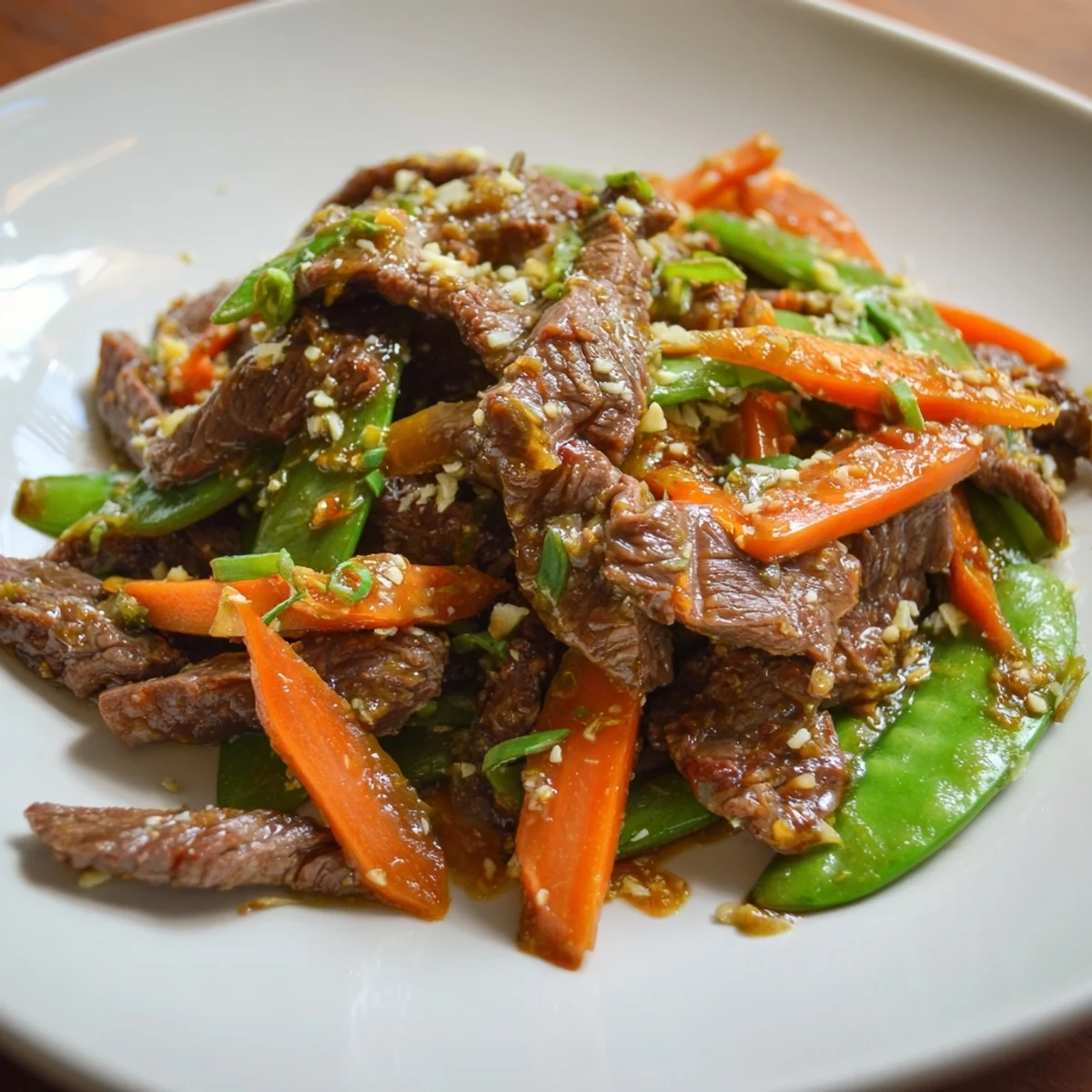
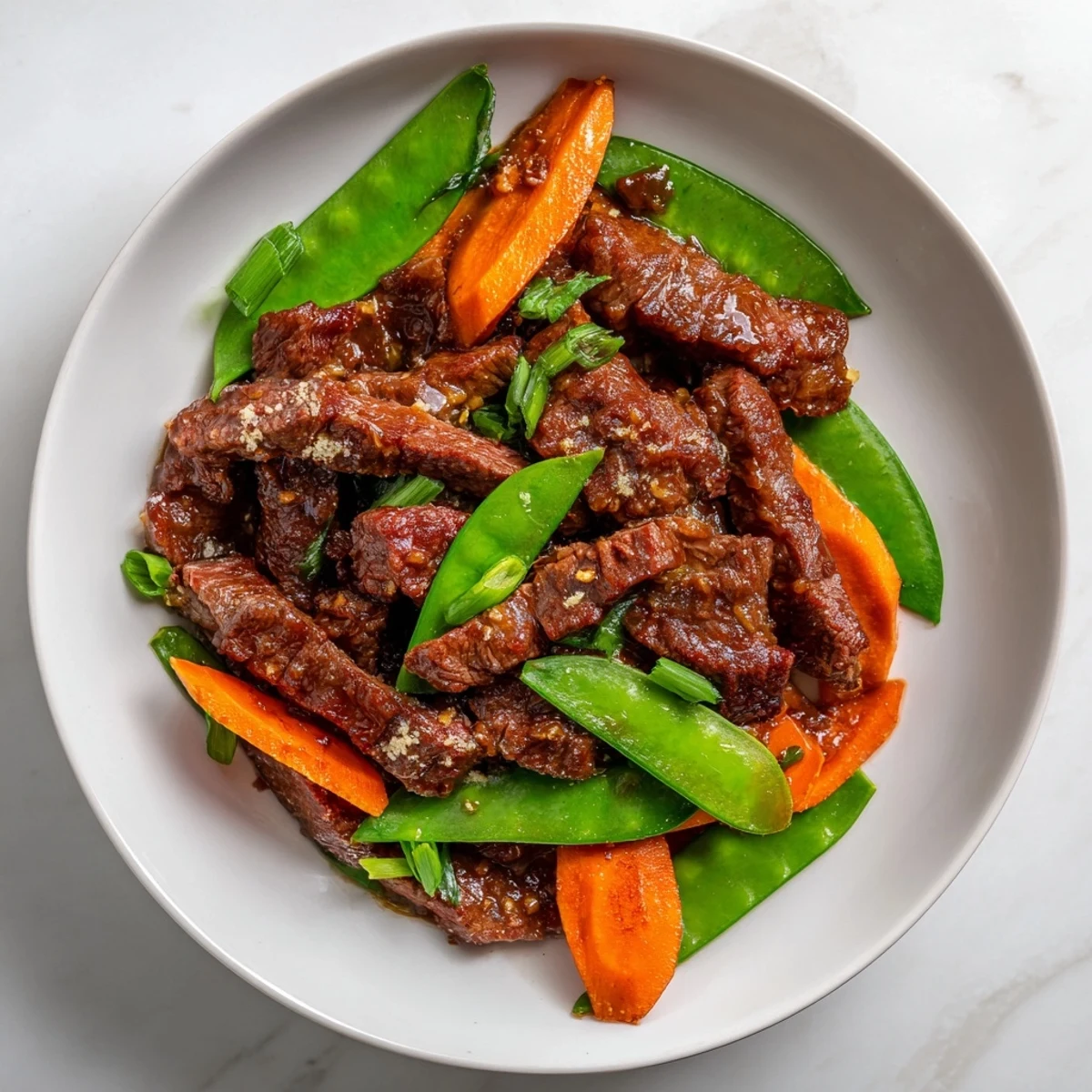
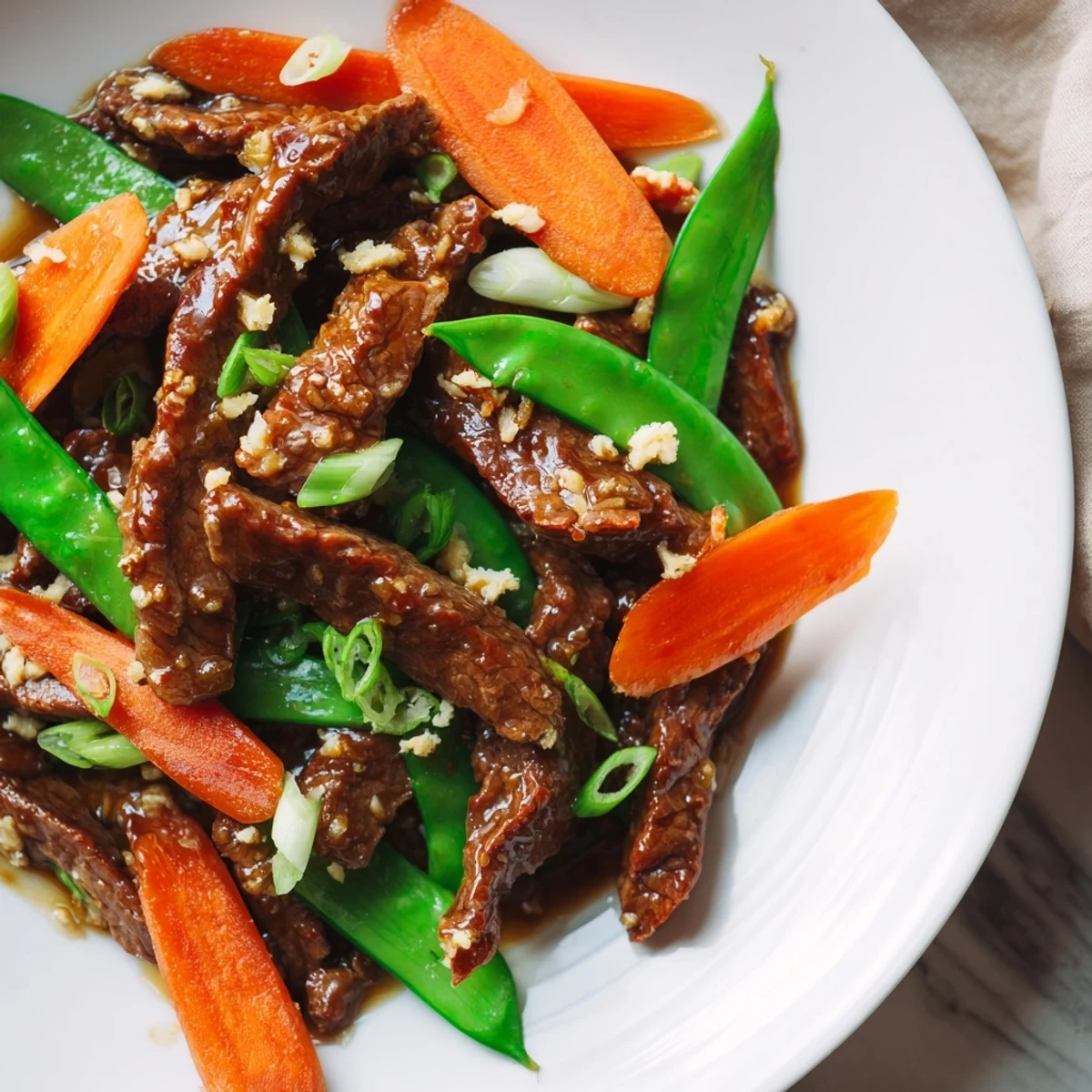
 This dish features thinly sliced flank steak seared quickly over high heat to retain tenderness, paired with crisp snow peas and carrots. The savory sauce combines soy, oyster sauce, and fresh ginger for an aromatic finish. Perfect for a fast, healthy dinner, it balances protein and vibrant vegetables in a glossy coating.
There's a particular magic to a wok sizzling at full heat, the kind of sound that announces dinner is happening now. I discovered this beef stir fry on a Tuesday when I had twenty minutes, half a flank steak in the fridge, and absolutely no plan. What emerged was so vibrant and alive that it became my go-to when I needed something that felt both effortless and impressive.
I made this for my sister on a random Thursday and she asked for the recipe before dessert even happened. That's when I realized this wasn't just easy cooking, it was the kind of dish that makes people feel cared for without you standing over a stove for hours.
Ingredients
- Flank steak or sirloin, thinly sliced against the grain: Slicing against the grain is the secret that transforms beef into something genuinely tender, even when cooked quickly. I learned this lesson the hard way with chewy results before understanding the grain's direction matters completely.
- Soy sauce: It's in both the marinade and the sauce, building layers of umami without any complicated technique.
- Cornstarch: A tiny bit in the marinade helps the beef cook up silky, and a bit in the sauce makes it glossy and clinging.
- Sesame oil: Just a teaspoon adds a nuttiness that makes people ask what that incredible flavor is.
- Snow peas: Their natural sweetness balances the savory sauce perfectly, and they stay crisp if you don't overthink the timing.
- Carrots: Sliced diagonally isn't just for show, the larger surface area means they cook more evenly in the short time available.
- Fresh ginger and garlic: These wake up the whole dish in the first thirty seconds, filling your kitchen with that unmistakable aroma.
- Oyster sauce: It sounds intimidating but it's a flavor bridge that deepens everything without tasting fishy.
- Rice vinegar: A small splash keeps the sauce bright instead of heavy, and honey rounds it all out into something craveable.
- Vegetable oil: High heat cooking demands an oil that won't smoke, so choose one rated for it.
Instructions
- Prep your beef with intention:
- Toss your thin sliced beef with soy sauce, cornstarch, and sesame oil, then let it rest for ten minutes. This short marinade season the meat and helps it stay tender through the quick cooking ahead.
- Mix your sauce while beef relaxes:
- Combine soy sauce, oyster sauce, rice vinegar, honey, water, and cornstarch in a small bowl. Stir until completely smooth, so the cornstarch doesn't seize up when it hits the hot wok.
- Sear the beef over high heat:
- Get your wok screaming hot with one tablespoon of oil, then add beef in a single layer if possible. Let it sit for a moment before stirring, building a golden color in just two to three minutes, then remove it to a plate.
- Bloom the aromatics:
- Fresh oil goes in next, then immediately add garlic, ginger, and spring onions before they burn. Thirty seconds is all it takes for the kitchen to smell absolutely incredible.
- Cook vegetables to the sweet spot:
- Carrots go in first since they need the most time, stirring for about two minutes. Snow peas follow for another two minutes, just until they brighten in color and bend slightly but still snap.
- Bring it all together:
- Beef returns to the wok, sauce gets poured in, and everything tosses together for one to two minutes until the sauce thickens and becomes glossy. It should coat everything like a gentle hug.
 Pin This
 This dish became my answer to those nights when someone's had a rough day and needs dinner to feel like a small kindness. The speed of it means I'm present instead of frazzled, and there's something honest about how it brings people to the table.
The Wok as Your Best Tool
A large skillet works if that's what you have, but a wok changes the experience entirely. The sloped sides mean you're not just cooking, you're moving things in a rhythm that becomes almost meditative. The shape helps keep ingredients moving and prevents steaming, which is the difference between crisp vegetables and soft ones.
Timing is Everything Here
The entire cooking time is about twelve minutes total, which sounds stressful until you realize that's exactly what makes this feel achievable on a weeknight. Everything waits for the wok to be ready, nothing sits around getting cold. This isn't slow cooking where you can step away, it's cooking where you're present and engaged and then suddenly it's done.
Ways to Make It Your Own
This is the kind of recipe that welcomes small changes without falling apart. You can adjust the sauce sweetness by dialing the honey up or down, add heat with chili flakes or a sliced chili pepper in step four, or swap in chicken breast or crispy tofu if beef isn't what you're craving. It's flexible enough to become a regular in your rotation without feeling like you're eating the same thing twice.
- A drizzle of extra sesame oil at the very end adds a whisper of luxury that costs almost nothing.
- Serve alongside steamed rice or noodles to catch every bit of that incredible sauce.
- Chopped peanuts or cashews sprinkled on top add texture and unexpected richness.
 Pin This
 This stir fry has become my answer to the question of what's for dinner when nothing else feels manageable. It's proof that simple, quick cooking can still feel like something worth celebrating.
Questions & Answers
- → How do I slice the beef?
-
Slice the flank steak thinly against the grain. This shortens the muscle fibers, ensuring the meat remains tender after quick stir-frying.
- → Can I use other vegetables?
-
Yes, bell peppers, broccoli, or snap peas work well. Ensure they are cut into uniform sizes for even cooking.
- → Is this dish spicy?
-
The base version is not spicy. However, you can add sliced chili peppers or red pepper flakes during cooking to increase the heat level.
- → What cut of beef is best?
-
Flank steak or sirloin are ideal choices because they are lean but flavorful. Slicing them thinly is crucial for texture.
- → Can I make it gluten-free?
-
Absolutely. Simply substitute regular soy sauce and oyster sauce with their certified gluten-free counterparts.