
 Pin This
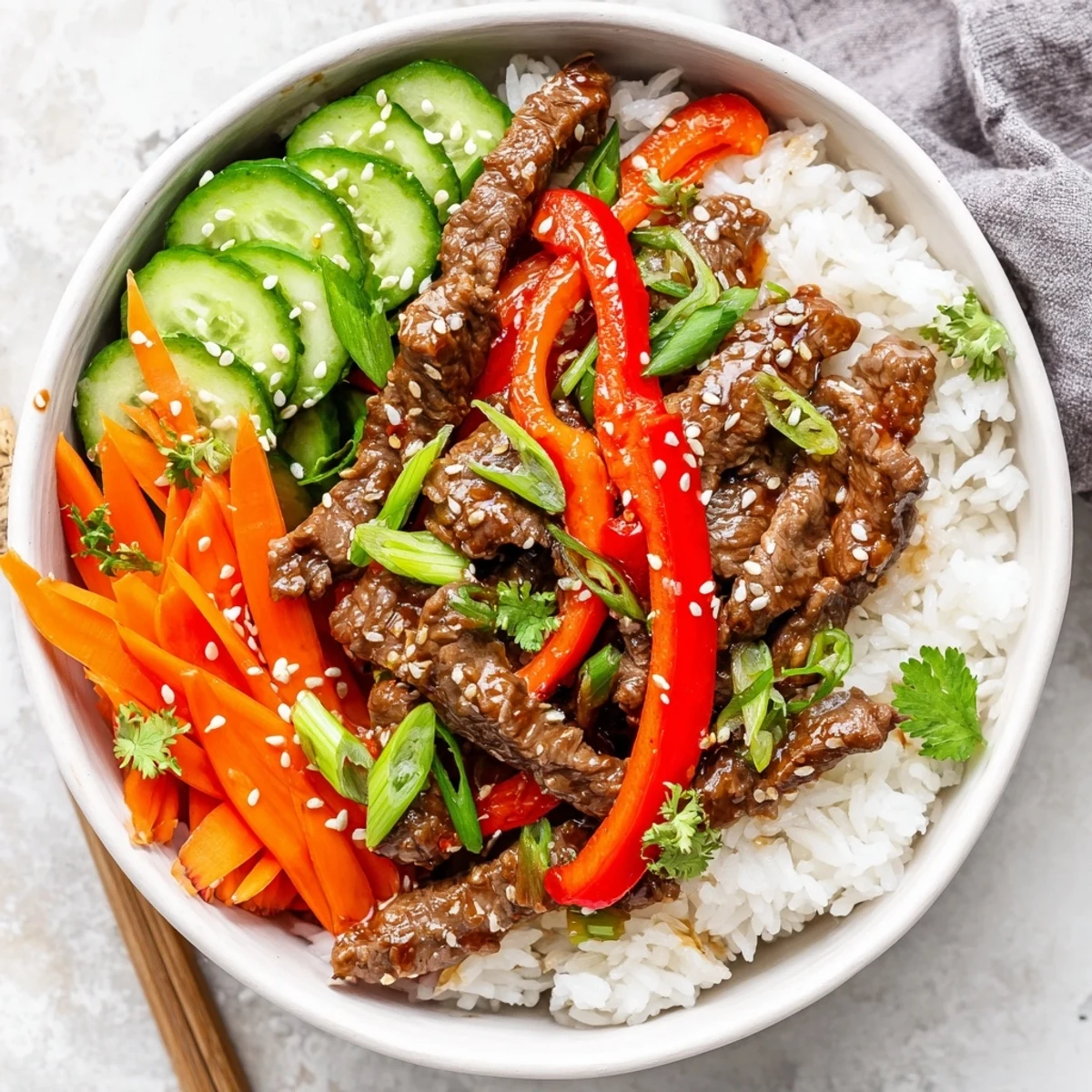
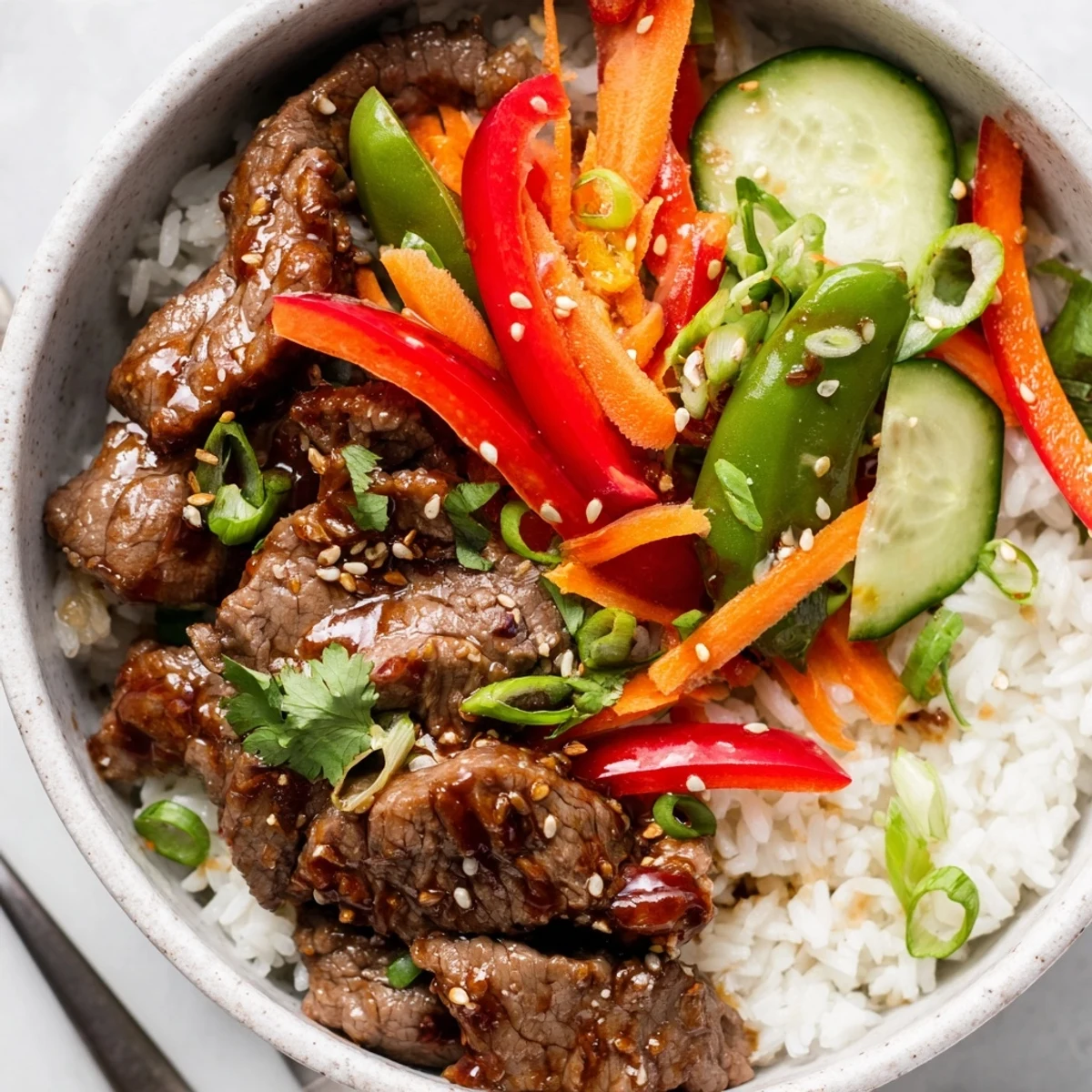
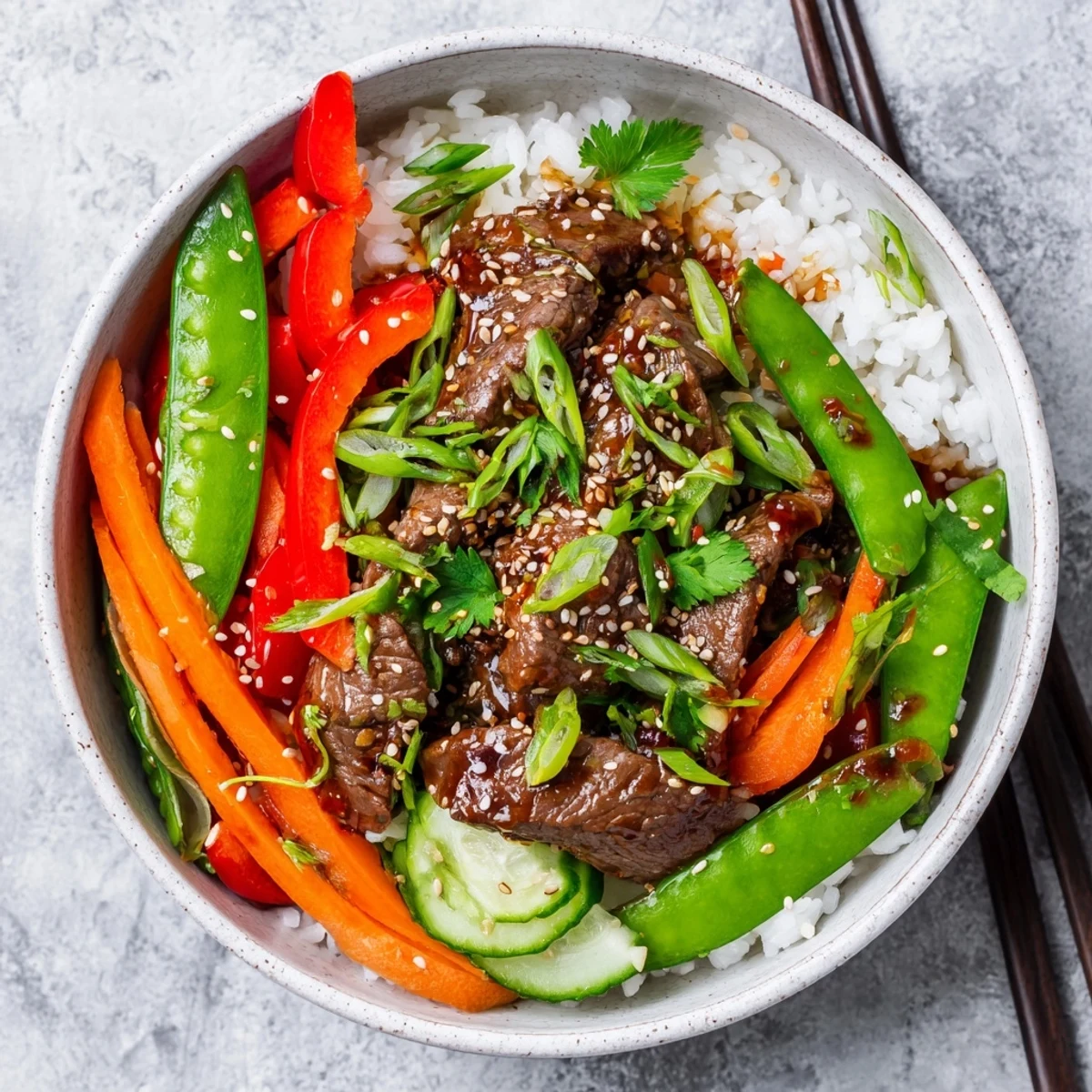
 This hearty beef lunch bowl combines tender strips of beef with fresh vegetables like carrots, bell pepper, and sugar snap peas. A savory sauce infused with soy, oyster sauce, honey, garlic, and ginger brings a flavorful touch. Served over fluffy steamed rice and garnished with crunchy cucumber, spring onions, and toasted sesame seeds, it offers a fulfilling midday meal that’s quick and easy to prepare. Perfect for an international-inspired main dish that balances protein and vibrant produce in every bite.
Tuesday lunch was never the same after I discovered how to throw together a beef bowl that tastes like it came from a proper restaurant kitchen. I was standing in front of my fridge, staring at some beef sirloin and a handful of vegetables, when it hit me that I didn't need anything fancy—just good technique and timing. The soy sauce and sesame oil combination hit me first when I was mixing the sauce, and I knew right then this was going to be something I'd make over and over.
I made this for my coworkers' lunch break once and watched them stop mid-conversation to actually taste what they were eating. Someone asked for the recipe, and I realized I'd been keeping the best part of my week to myself. Now when I'm chopping vegetables on a busy day, I think about that moment and how something this straightforward brought everyone together.
Ingredients
- Beef sirloin or flank steak: Slice it thin and it cooks in seconds, staying tender and ready to soak up the sauce without toughness.
- Soy sauce: The foundation of everything—use it to coat the beef before cooking so it gets a proper sear, then again in the sauce for depth.
- Cornstarch: This tiny amount creates a silky coating that helps the beef brown beautifully while keeping it juicy inside.
- Jasmine or basmati rice: The fragrance matters here; it picks up all the flavors around it instead of fighting them.
- Garlic and ginger: Mince them small so they dissolve into the sauce rather than sitting in chunks.
- Oyster sauce: A spoonful adds richness without making anything taste fishy if you use quality sauce.
- Sesame oil: Add it at the end to the sauce so the heat doesn't cook away what makes it special.
- Fresh vegetables: Cut them all roughly the same size so they cook evenly and stay crisp when you want them to.
Instructions
- Rinse and cook your rice:
- Rinsing removes the starch so the grains stay separate and fluffy instead of clumping. Pour water over rice in a saucepan until it runs clear, then cook covered on low heat for 12–15 minutes.
- Coat the beef:
- Toss your thin slices with soy sauce and cornstarch so they're evenly coated. This helps them brown fast and absorb flavor while staying tender.
- Make the sauce:
- Whisk soy sauce, oyster sauce, honey, sesame oil, minced garlic, grated ginger, and rice vinegar together in a bowl. Taste it before you're done mixing because this is your flavor guide.
- Sear the beef fast:
- Heat oil in a large skillet over medium-high heat until it shimmers, then add beef in a single layer. Let it sit for 2–3 minutes without moving it around—this creates that golden, caramelized crust.
- Stir-fry the vegetables:
- In the same pan, add carrots, bell pepper, and sugar snap peas, keeping the heat high and stirring constantly for 2–3 minutes until they're tender but still have a little crunch.
- Bring it together:
- Return the beef to the pan, pour in your sauce, and toss everything for 1–2 minutes until the beef is warm again and everything glistens with sauce.
- Build your bowls:
- Divide fluffy rice among four bowls and top each with the beef and vegetable mixture, then finish with fresh toppings.
- Garnish and serve:
- Scatter cucumber slices, spring onions, toasted sesame seeds, and fresh coriander over the top if you have it. Eat it while it's still warm and the rice is steaming.
 Pin This
 There's a moment when you flip the beef strips and see that perfect brown crust forming, and suddenly you understand why restaurants charge what they do for lunch bowls. It stopped being about feeding myself and became about that small satisfaction of getting the technique right.
Why Rice Matters Here
The rice isn't just a base—it's a vehicle for absorbing all the sauce that pools at the bottom of the bowl. Jasmine rice has just enough starch to hold everything together without turning mushy, and the slight floral note complements the savory sauce beautifully. If you're using day-old rice from the fridge, give it a quick warm-up in a separate pan or microwave so it releases moisture again.
Vegetable Timing and Crispness
The vegetables go in after the beef comes out, which keeps them from overcooking and turning into mush. I learned this the hard way by adding everything at once and ending up with soft, sad vegetables. Now I cook the heartier ones like carrots first, then add the snap peas and bell pepper at the very end so they stay bright and snappy.
Sauce Balance and Storage
This sauce is balanced between salty, sweet, and tangy, with depth from ginger and garlic. You can make it ahead and keep it in a jar for three days, which means one less step when you're hungry. If you find yourself making this bowl twice a week, triple the sauce recipe and keep it ready.
- Add a dash of sriracha or red chili flakes if you want heat that builds slowly as you eat.
- Swap vegetables with whatever looks good at the market—broccoli, snap peas, mushrooms, and bok choy all work beautifully.
- Brown rice or quinoa can replace jasmine rice if you want more fiber, though the cooking time might change by a few minutes.
 Pin This
 A good lunch bowl is the kind of meal that makes you look forward to the middle of your day. This one has become my answer to the question of what to cook when you want something that feels complete without being complicated.
Questions & Answers
- → What cut of beef works best for this dish?
-
Thinly sliced sirloin or flank steak works well, offering tenderness and quick cooking.
- → Can I use other grains instead of jasmine rice?
-
Yes, brown rice or quinoa are great alternatives for added fiber and different textures.
- → How can I make the vegetables crisp yet tender?
-
Stir-fry the vegetables for 2–3 minutes over medium-high heat to keep them just tender but retaining a crisp bite.
- → Is it possible to adjust the sauce for more heat?
-
Adding sriracha or a pinch of red chili flakes to the sauce can add a spicy kick.
- → What garnishes enhance the dish’s flavor and presentation?
-
Cucumber slices, spring onions, toasted sesame seeds, and fresh coriander add fresh notes and texture contrast.