
 Pin This
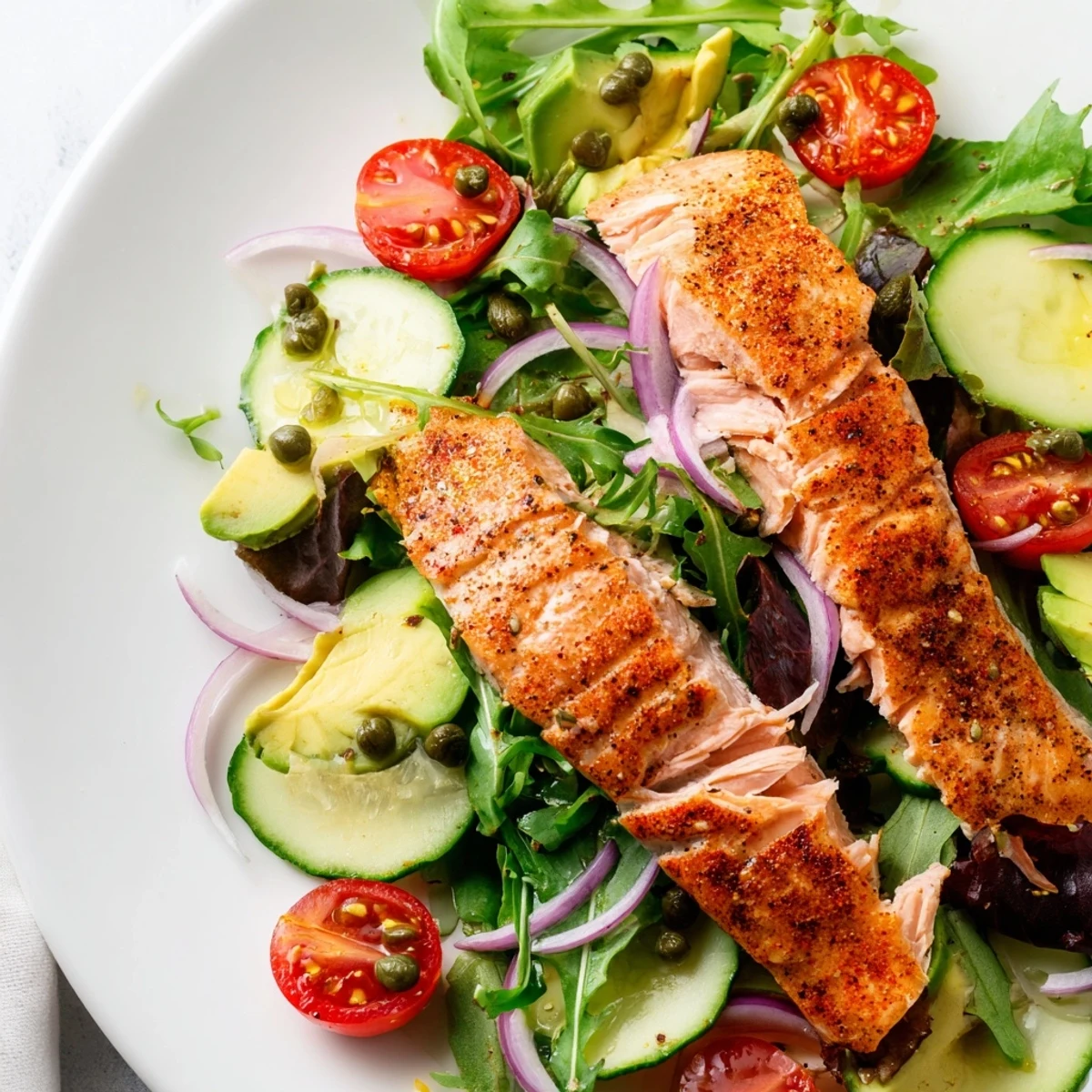
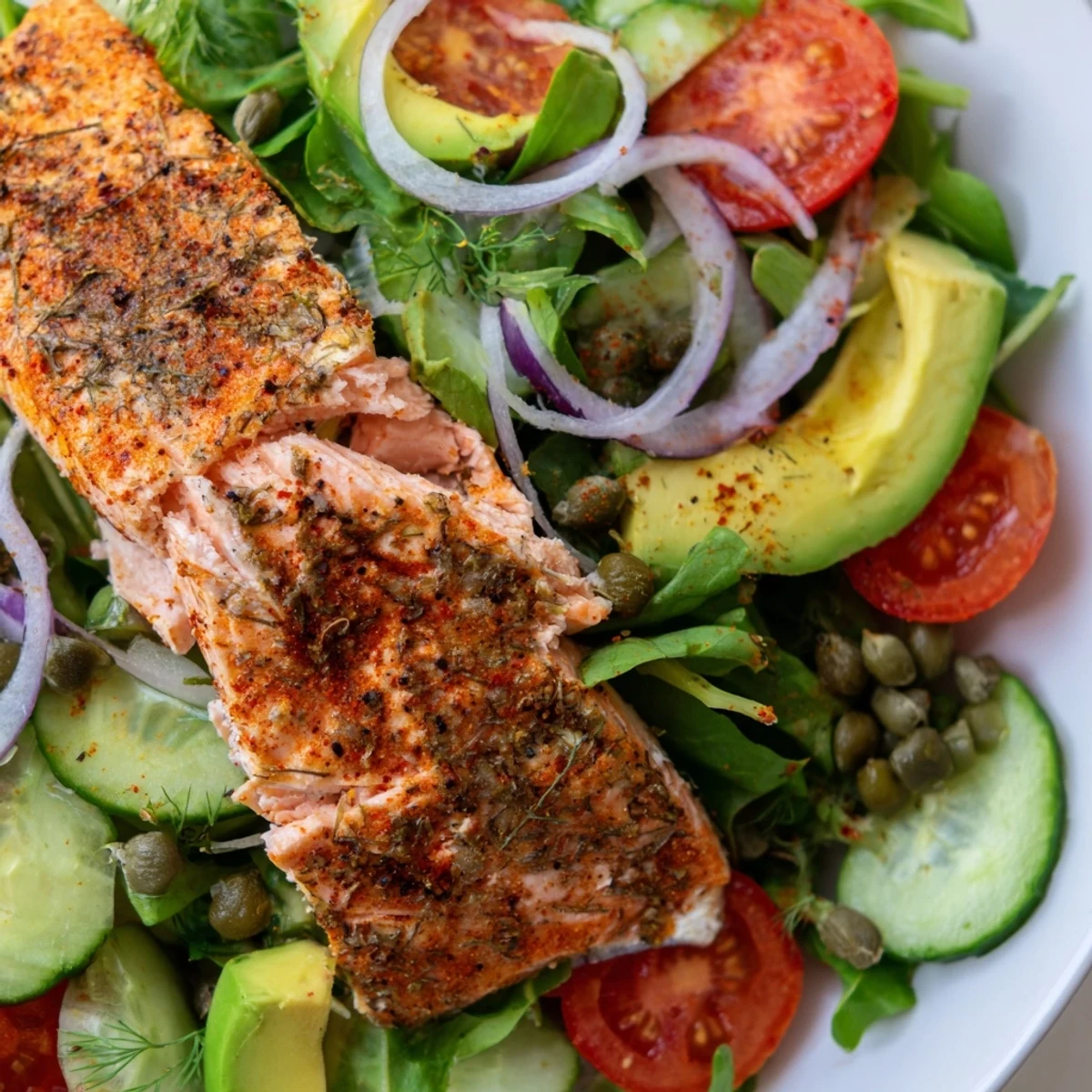
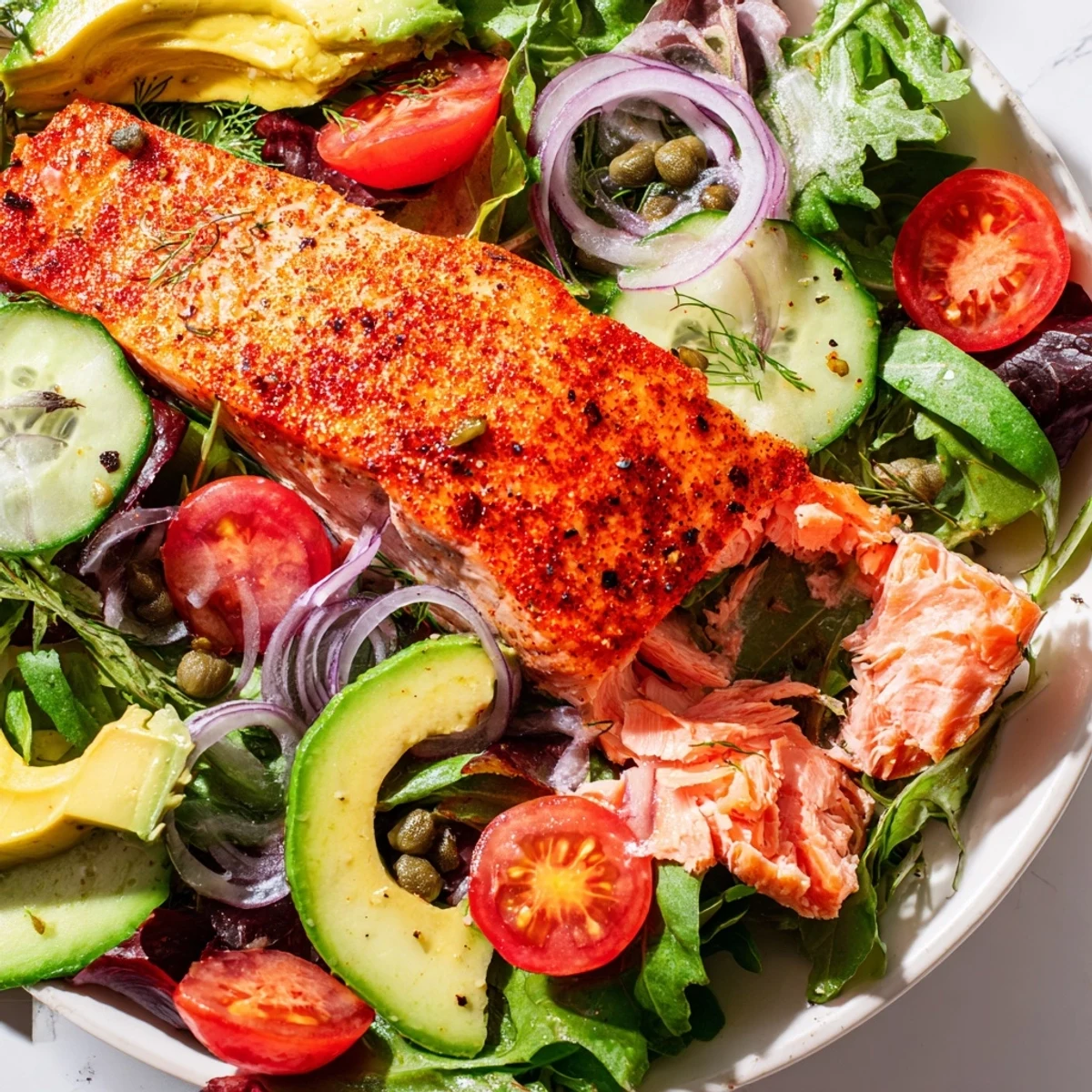
 This vibrant dish features tender baked salmon fillets seasoned and baked to flaky perfection. Served over a fresh bed of mixed salad greens, cucumber, cherry tomatoes, avocado, and thinly sliced red onion, it’s finished with a bright lemon-dill dressing that marries citrus and herbs. The result is a light, nourishing lunch option ideal for a quick, satisfying meal with balanced flavors and textures.
Tuesday lunch changed the moment my friend brought her homemade baked salmon salad to my office, and I watched three coworkers abandon their sad desk sandwiches to gather around. The combination of warm, flaky salmon against cool, crisp greens felt so effortless yet special that I made it my mission to recreate it that same week. What struck me most wasn't just how fresh it tasted, but how quickly I realized this wasn't a boring healthy meal—it was something I'd actually crave.
I remember serving this to my mother-in-law who mentioned she was watching her cholesterol, and seeing her face light up when she tasted how the honey in the dressing balanced the sharp mustard notes made me realize this dish speaks a language that goes beyond diet labels. She asked for the recipe three times, each version slightly different, which told me she was committed to making it her own.
Ingredients
- Salmon fillets (4, about 150 g each): Skinless fillets are your friend here because they cook evenly and let that paprika and lemon really embrace the fish without any barrier.
- Olive oil: Use a good extra virgin for the dressing—cheap oil tastes like regret, but you don't need the fancy single-estate stuff.
- Salt, black pepper, paprika: The paprika adds a whisper of sweetness and color that makes the salmon look like you know what you're doing.
- Lemon: Fresh is non-negotiable here; bottled juice tastes vaguely plastic by comparison.
- Mixed salad greens (120 g): A mix of arugula and spinach gives you that peppery backbone that plays beautifully against the richness of salmon.
- Cucumber, cherry tomatoes, avocado, red onion: The vegetables should all be in peak condition—a mushy tomato will sabotage your whole afternoon.
- Capers (2 tbsp): These briny little gems are optional but absolutely change the game with their salty punch.
- Fresh dill: If you can find it, fresh dill tastes like summer in your mouth; dried works in a pinch but loses some personality.
- Dijon mustard, honey: The mustard emulsifies the dressing while honey adds a subtle warmth that balances the acidity.
Instructions
- Get your oven ready:
- Preheat to 200°C and line your baking tray with parchment paper so the salmon releases cleanly without sticking.
- Season the salmon generously:
- Place fillets on the tray, drizzle with olive oil, then sprinkle salt, pepper, and paprika across the top. Layer lemon slices directly on the fish—they'll impart flavor as they roast.
- Bake until just cooked through:
- This takes about 12–15 minutes; you're looking for the flesh to turn opaque and flake easily when nudged with a fork. Overcook it by even a minute and you'll taste the difference.
- Make the dressing while salmon rests:
- Whisk olive oil, lemon juice, mustard, dill, and honey until it emulsifies into something silky and cohesive. Taste and adjust salt and pepper—this is where your dressing gets personality.
- Arrange the salad base:
- Layer greens, cucumber, tomatoes, avocado, red onion, and capers on your plate or a large platter. Think about color and balance as you go.
- Crown it with salmon:
- Break the warm salmon into generous flakes and scatter them across the salad while still slightly warm. The warmth against cool greens is part of the magic.
- Dress right before eating:
- Drizzle the dressing just as you're about to eat so everything stays crisp and the flavors don't get muddled by sitting time.
 Pin This
 My daughter came home from soccer practice one afternoon ravenous and skeptical about eating salad for dinner, and I made this knowing it was my last chance to convince her that vegetables belonged on her plate. She ate every bite without complaining and asked if we could make it again next week—which, for a teenager, might as well be a marriage proposal.
Why This Dressing Is Different
Most lemon dressings taste sharp and one-dimensional, but adding Dijon mustard and a touch of honey creates layers that actually make sense together. The mustard acts like a bridge, letting the lemon brightness shine without screaming, while the honey whispers in the background just enough to remind you that balanced flavor is what keeps you coming back. I learned this by accident when I grabbed honey instead of maple syrup, and it turned out to be the move that made people ask for the recipe.
Building Blocks for Your Plate
The real secret to loving this salad is treating it like a composition rather than just throwing ingredients together. Your greens are the canvas, vegetables add texture and volume, the salmon brings protein and richness, and the dressing ties everything into a coherent story. I used to just toss everything randomly until I realized that how you arrange things actually affects how each component tastes.
Times You'll Want to Make This
This salad has shown up in my life during spring cleaning lunches, summer weeknight dinners when the kitchen feels too hot for cooking, and packed into containers for beach days when I want to feel like I'm eating something civilized. It's flexible enough to become whatever your moment needs.
- Swap avocado for hard-boiled eggs if you're in a rush or want something that holds up longer.
- Toast some pumpkin seeds or almonds over medium heat for a few minutes to add crunch that completely changes the texture story.
- Make a double batch of dressing because it keeps in the fridge for three days and suddenly everything tastes better.
 Pin This
 This dish quietly became my go-to when I want to feel nourished rather than just fed, and when I want to prove to myself that healthy eating doesn't require sacrifice. Every time I make it, I remember why I stopped calling salads a side dish.
Questions & Answers
- → How do I prevent the salmon from drying out during baking?
-
Drizzle the salmon with olive oil and bake it at 200°C (400°F) for 12–15 minutes until just cooked through, ensuring it stays moist and flaky.
- → Can I prepare the lemon-dill dressing in advance?
-
Yes, the dressing can be whisked together and refrigerated for up to 2 days to enhance the flavors before serving.
- → What are good substitutes for dill in the dressing?
-
Fresh parsley or chives work well as alternatives and provide a different but complementary herbal note.
- → Is it possible to make this salad crunchy?
-
Adding toasted nuts or seeds like pumpkin seeds or sliced almonds adds a nice crunch and extra texture.
- → What wine pairs nicely with this dish?
-
A chilled Sauvignon Blanc complements the citrusy lemon-dill dressing and the richness of the salmon perfectly.