
 Pin This
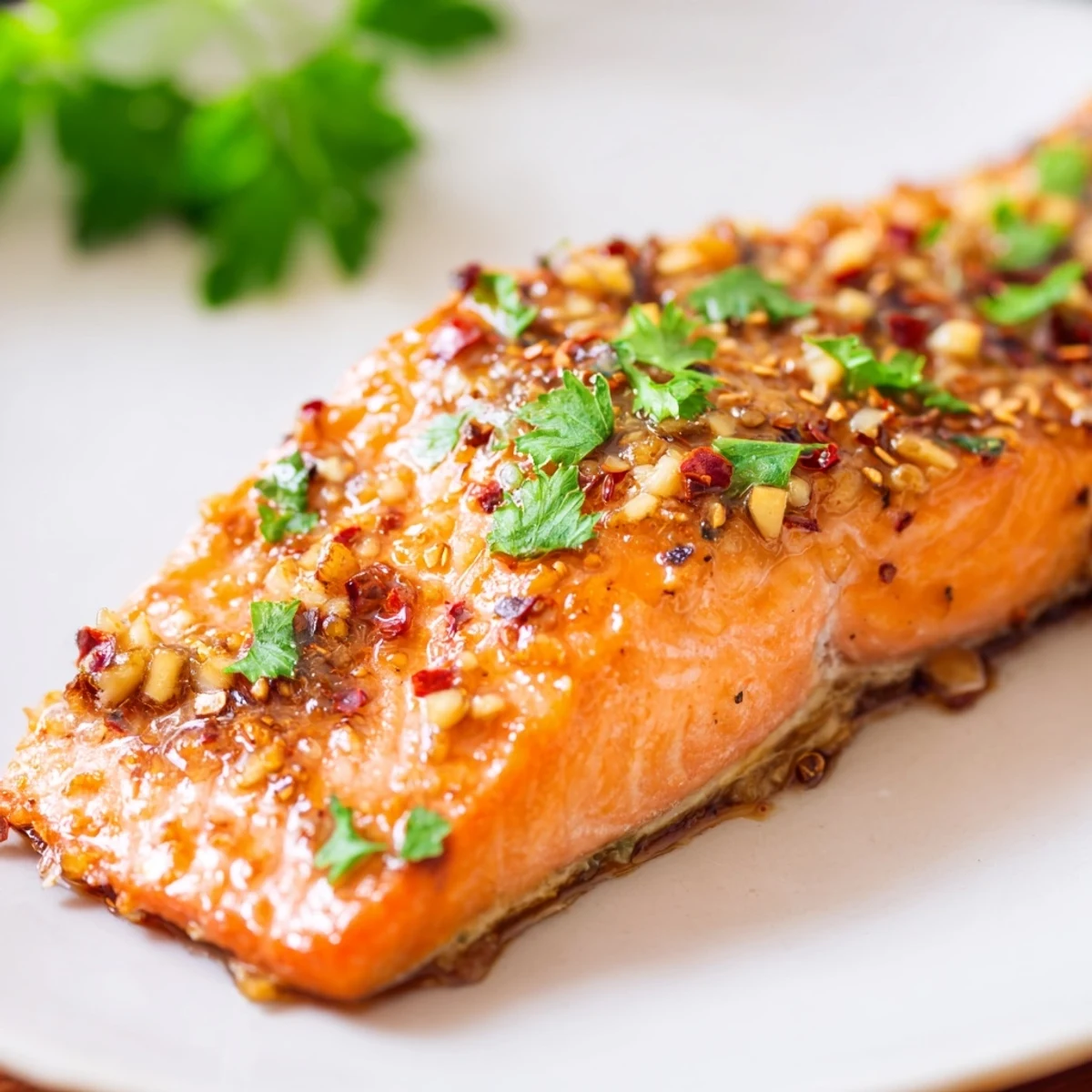
 This dish features tender salmon fillets baked in the oven and brushed with a luscious honey garlic glaze combining sweetness, tangy lemon, and savory soy sauce. Garlic and Dijon mustard add depth while optional red pepper flakes bring a gentle heat. Baking first with half the glaze, then finishing with the rest creates a flavorful, glossy coating. Garnished with fresh parsley and lemon wedges, it’s a fast, elegant main dish ideal for pescatarians and gluten-free diets. Serve alongside steamed rice or veggies for a complete meal.
There's something about the sizzle of salmon hitting a hot pan that pulls me right back to a Tuesday evening when my sister called asking for help with dinner—she had four people coming over and exactly twenty-five minutes to impress them. I remembered this glaze from a cooking class years ago, that sweet-savory magic that transforms simple fish into something that tastes like you've been planning it all week. We threw it together in her kitchen while she set the table, and by the time her guests arrived, the smell alone had them convinced she was a secret culinary genius.
I've made this countless times now, and what struck me most was watching my neighbor—who always orders takeout—take a bite and ask for the recipe on the spot. She was convinced the salmon had been brined or marinated for hours, but really it was just the glaze doing its quiet work in the oven. That moment made me realize how much joy comes from serving something that looks and tastes like you actually know what you're doing.
Ingredients
- Salmon fillets (6 oz each): Look for flesh that's firm and pinkish, and don't skip patting them dry—that one step is what prevents them from steaming instead of baking beautifully.
- Olive oil: Just enough to coat the fish so it doesn't stick and to help the seasoning adhere.
- Salt and black pepper: Use freshly ground pepper if you can; it tastes sharper and more alive than pre-ground.
- Honey: The backbone of the glaze—it caramelizes and creates those deep, glossy notes.
- Low-sodium soy sauce: Keep it low-sodium so you control the salt level; the umami adds savory depth without overwhelming.
- Fresh lemon juice: Bottled works, but fresh juice cuts through the sweetness with a brightness that changes everything.
- Garlic cloves: Mince them fine so they distribute evenly through the glaze and don't leave bitter chunks.
- Dijon mustard: A teaspoon might seem small, but it anchors the sweet-savory balance and adds a subtle tang.
- Red pepper flakes (optional): Use them if you want a whisper of heat; they peek through if you let them.
- Fresh parsley: A handful of green at the end makes it look like you actually care about presentation.
Instructions
- Get your oven ready:
- Preheat to 400°F and line your baking sheet with parchment paper or a light grease—this saves you from scrubbing later and lets the salmon cook evenly. The parchment is honestly worth it for the cleanup alone.
- Prepare the salmon:
- Pat each fillet completely dry and lay them on the sheet, then brush lightly with olive oil and season with a pinch of salt and pepper. Dry salmon is the secret to getting it cooked through without drying it out.
- Make the glaze:
- In a small bowl, whisk honey, soy sauce, lemon juice, minced garlic, Dijon mustard, and red pepper flakes if using. The glaze should be glossy and pourable, with no lumps of mustard or garlic clumps.
- First coat of glaze:
- Spoon or brush about half the glaze over the salmon, getting it into every nook. If you're using a pastry brush, you'll thank yourself for being precise.
- First bake:
- Slide the sheet into the oven for 10 minutes. The salmon will begin to turn opaque at the edges, which is exactly what you're waiting for.
- Glaze and finish:
- Pull it out, brush with the remaining glaze, and return it to the oven for 3 to 5 more minutes. The fish is done when it flakes easily with a fork and is just cooked through—overcooked salmon becomes dry and dense, so don't walk away once it goes back in.
- Garnish and serve:
- Sprinkle with chopped parsley and serve with lemon wedges so people can brighten it further if they like. The greenery and citrus are the finishing touches that make it feel intentional.
 Pin This
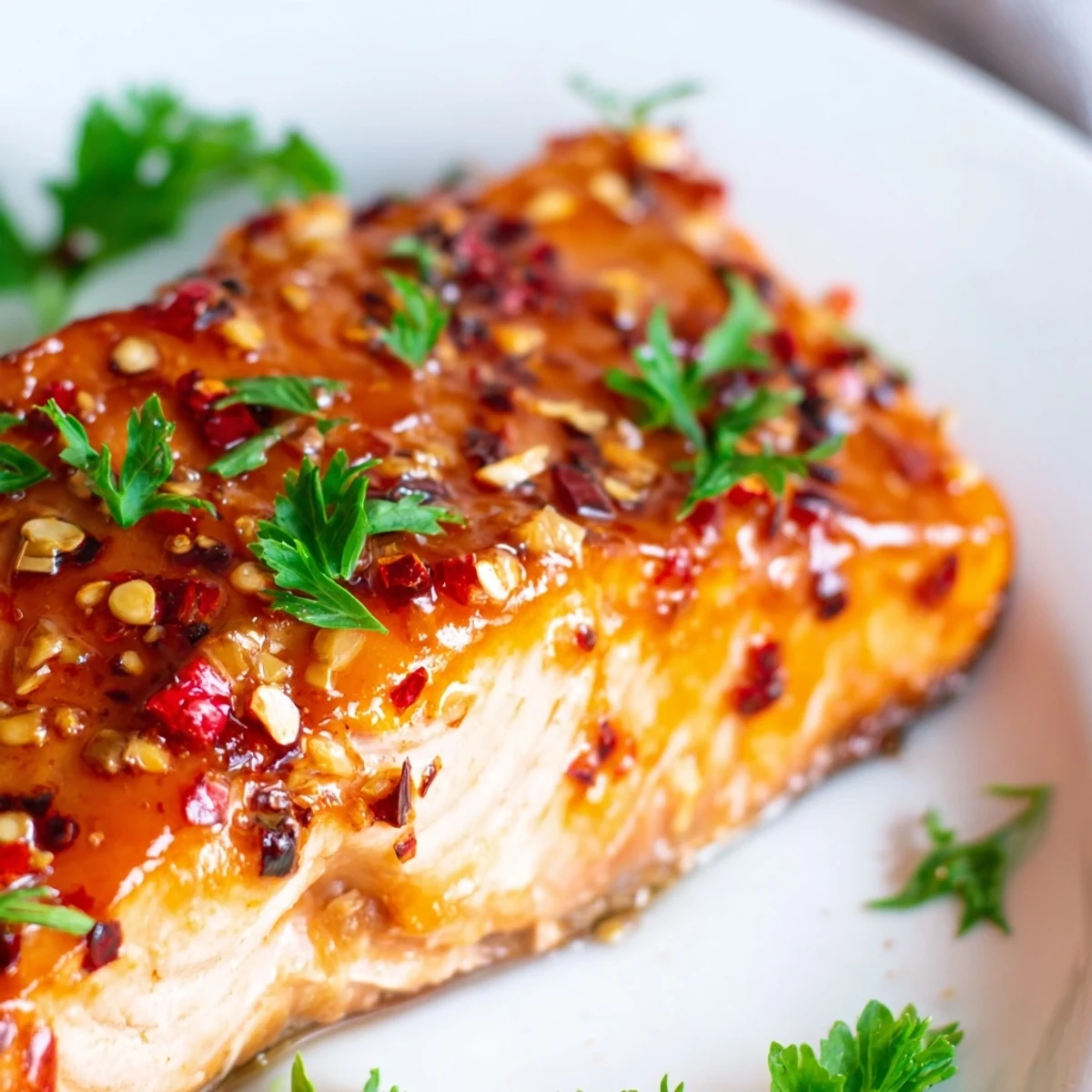
 There's a specific moment when this dish becomes magic: right when you pull it from the oven and the glaze has turned glossy and deep. The kitchen fills with this warm, honey-garlic smell that somehow feels both elegant and comforting at the same time. It's the kind of moment that makes you forget you threw it together in a rush.
Why This Glaze Works
The honey brings sweetness, but the soy sauce and lemon juice keep it from being dessert-like—they pull in saltiness and brightness that balance everything out. The garlic and mustard add complexity without shouting for attention, and by the time everything hits the oven heat, it all comes together into this incredible caramel that clings to the salmon. I've tried variations with maple syrup, and while it's good, there's something about honey that just feels right here.
Timing and Temperature Matter
The 400-degree oven is the sweet spot—hot enough that the glaze caramelizes but not so hot that the outside burns before the inside cooks. The first ten minutes get the salmon mostly done, and those final three to five minutes are for the glaze to set and the fish to finish gently. If you're nervous about doneness, remember that the salmon will continue cooking a tiny bit after it comes out, so slightly underdone is better than overdone.
Serving and Sides
This salmon pairs beautifully with something light—steamed rice soaks up the glaze sauce perfectly, roasted vegetables add color and substance, or a fresh salad keeps it bright if you want something crisper. I've also served it alongside couscous or even with crusty bread to catch every last drop of that glaze. The lemon wedges are non-negotiable; they let people customize the brightness to their taste, which always feels generous.
- Try it with jasmine rice and snap peas for an easy, restaurant-worthy plate.
- A simple arugula salad with a lemon dressing is perfect alongside if you want something fresher.
- Leftovers work cold the next day—flake it into a salad or eat it straight from the fridge on toast.
 Pin This
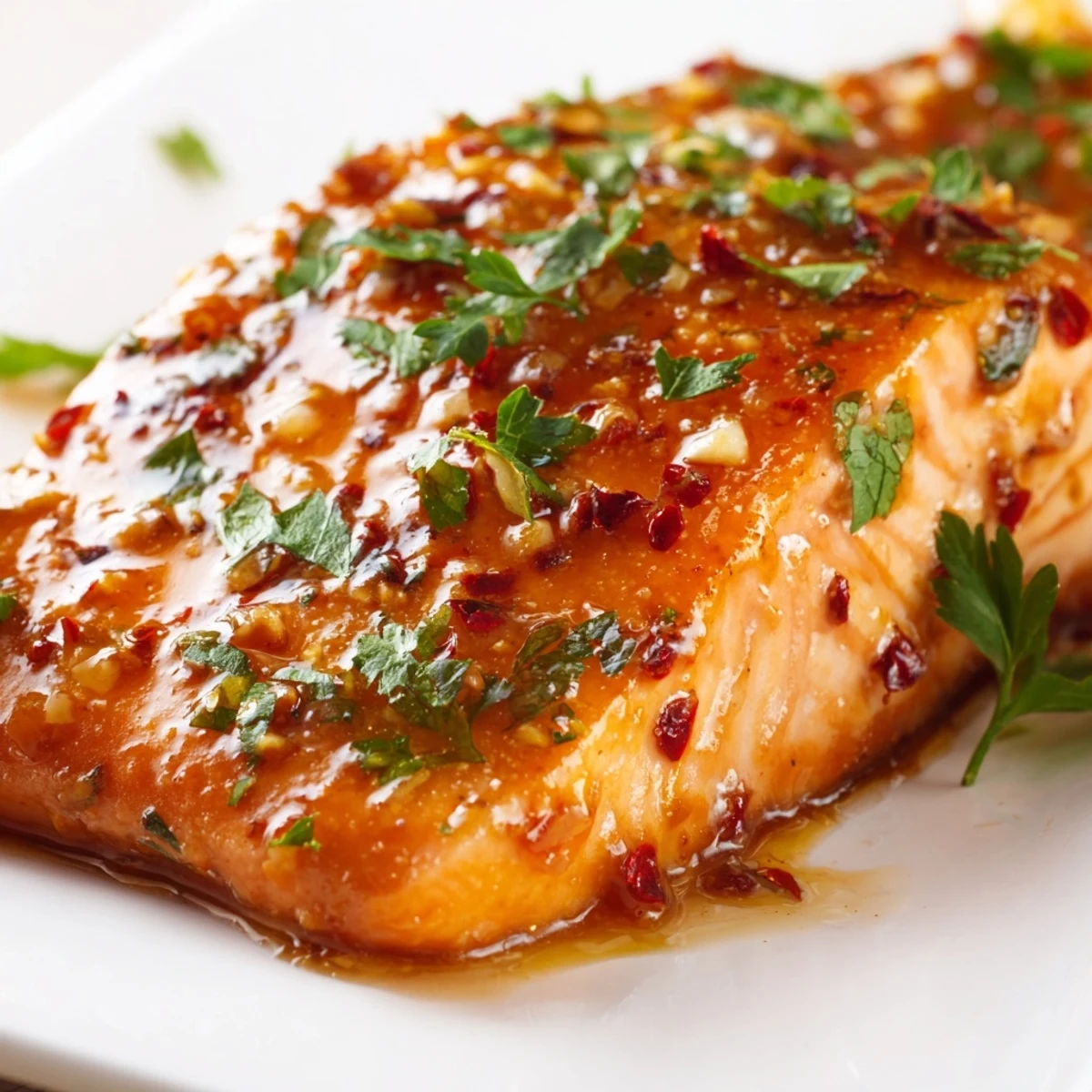
 This recipe has become my go-to for those evenings when I want something that tastes like I've put in real effort, but without the actual stress. It's the kind of dish that reminds you why cooking for people you care about matters.
Questions & Answers
- → Can I broil the salmon for a crispier finish?
-
Yes, broiling the salmon for the last 1-2 minutes brings a crisp, caramelized top without drying out the fish.
- → Is it possible to substitute honey in the glaze?
-
Maple syrup works well as an alternative to honey, adding a different but complementary sweetness.
- → What sides pair well with this honey garlic salmon?
-
Steamed rice, roasted vegetables, or a fresh green salad complement the flavors and textures beautifully.
- → How do I prevent the glaze from burning in the oven?
-
Applying half the glaze initially and reserving the rest to brush on later reduces burning, while baking at 400°F ensures even cooking.
- → Can this dish accommodate gluten-free diets?
-
Yes, use gluten-free soy sauce to keep the glaze safe for those avoiding gluten.